By Michael Corbett
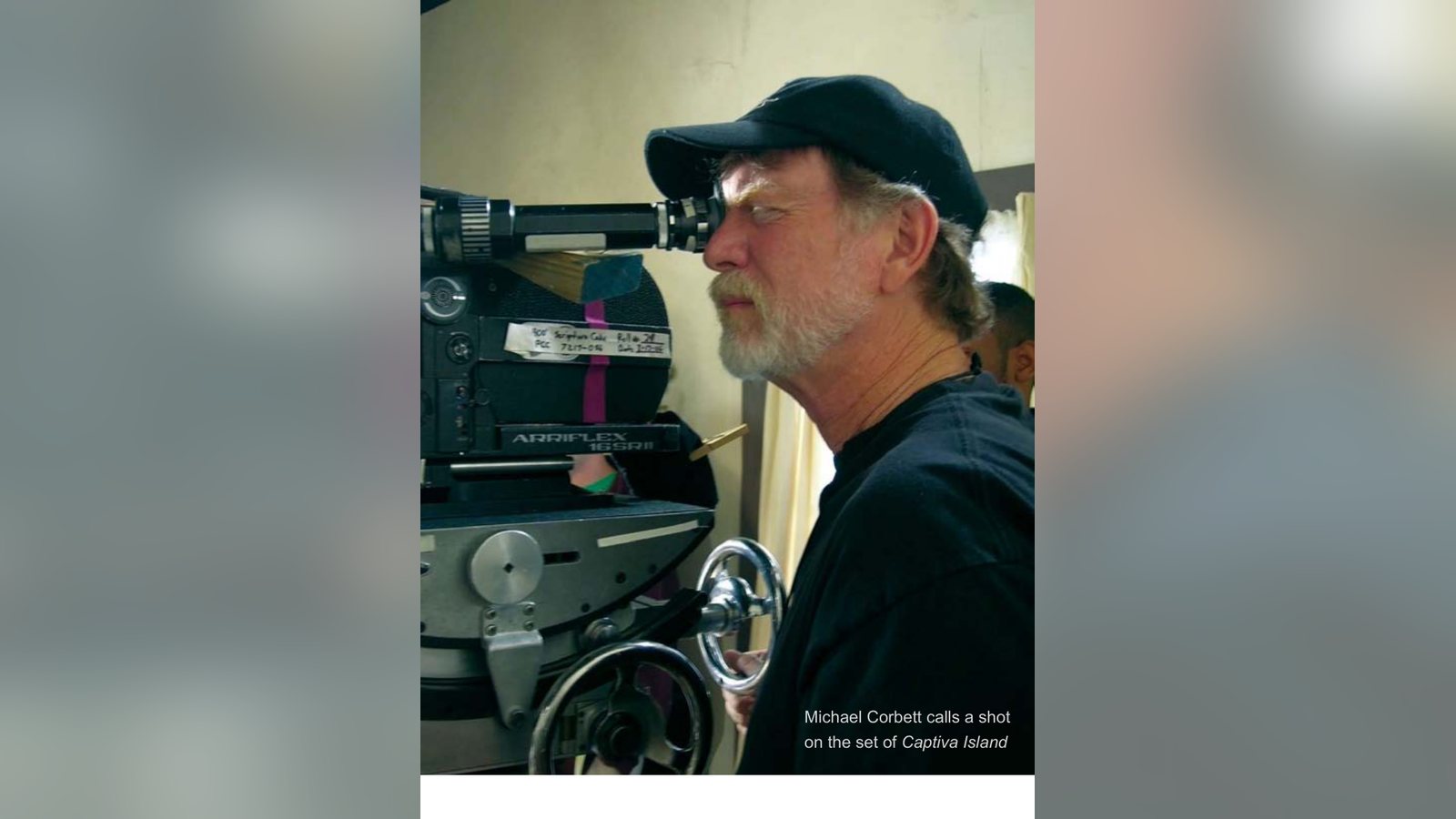
“Roll sound. Speed. Roll camera.” Michael Corbett gives a brief script you can use to call a shot on set, so cast and crew know exactly what happens when.
We have all seen it in movies hundreds of times like in Living in Oblivion or The Player. The film within the film scene. The crew is there, and they begin to shoot. Here is a brief script that you can use on your shoots to make your Assistant Director and crew look truly professional when rolling the camera on shoots.
The sound mixer should slate each scene verbally using a mic set up near the mixing console during the lull between takes or, at the very latest, after the tape gets up to speed, and then call “Speed!” We want to avoid slating verbally while film is rolling through the camera because we don’t want to waste any film this way. The camera need only roll just long enough to capture the slate closing and then set for the scene.
Fade in:
Roll sound.
ROLLING!
The word rolling can be heard everywhere on the set as it echoes into a thundering silence as the highly trained professional crew stops all conversations and work while the scene is being shot.
Close on the sound mixer as the DAT recorder is turned to record. When the deck locks on speed, the sound mixer slates the scene verbally if it has not already been slated. The boom person points the mic at the mixer and away from the Sound Mixer Scene 6, take 3, [or whatever]
The mixer can steal a few seconds of room tone here by delaying the announcement of speed.
Sound Mixer Speed.
The boom person points the mic back toward the slate but keeps it at a distance so that the slate closing sound does not distort. Close on the First Assistant Camera operator as the camera is switched on. When the camera is up to speed (almost instantly) he nods or points at the second AC or the person who is doing the Medium shot of the second assistant camera operator as he/she calls “marker” and then closes the slate.
Second Assistant Camera Operator Marker.
The slate is closed, the 2nd AC clears the set, and the boom man repositions the mic for the take. The director takes a beat and then…
Director And, action.
The scene is played out. At the end of the scene the director…
Director Cut.
And that’s a cut.
That’s a cut!
If this procedure is followed everyone knows exactly when they can make noise and when to be quiet, when to stop working and when they can resume work. The details vary if you are using video but the principles are the same. Michael Corbett began his career in 1969 at CBS affiliate KOTV Channel 6 in Tulsa, Oklahoma as a floor crew cameraman. He has worked on more than a thousand television commercials and a dozen feature films in roles as varied as grip-electric to producer/director. He was line producer of the feature film Captiva Island. Other feature film credits include, Miami Hustle; as first assistant director and The Lay of the Land; as director of lighting. His documentary credits include Zimbabwe, Miracle in Africa; as cameraman and editor. Corbett presently serves as the Director of the Piedmont Community College Film and Video Production Technology Program in Yanceyville, North Carolina. His honors include a Cine Eagle, three Silver Reels, four Addy awards, and three festival silver plaques.
Keep learning filmmaking
Want more lessons like this? Join StudentFilmmakers free for live webinars with working pros, and stream on-demand filmmaking classes in cinematography, directing, screenwriting, sound and post.