By Megan Harr
Emmy-winning New York composer, sound designer and audio mixer Roy Harter shares his experience working on music and sound for television and film.
Emmy award-winning, New York composer, sound designer, and audio mixer Roy Harter shares his experience working in television and film.
From a very early age Harter was always interested in the technical aspect of making music. He gives due credit to piano lessons he received as a child in the development of his appreciation for and skill in the music industry. He has worked to compose and mix for many major television networks including Nickelodeon, MTV, and Lifetime.
How did you start learning about sound design?
Roy Harter: I’ve been hanging around recording studios ever since I was 14 years old. I started off running tapes, making coffee, and doing [errands] for the clients. While it’s easy for people to label me a “sound designer,” my skill-set is actually more varied. I feel as if I ride the line between music composer, audio engineer, entertainer, and psychiatrist.
How has your training helped you acquire skills necessary for your work?
Roy Harter: I’ve never gone to school for this, and I have a problem with some of these schools churning out “audio engineers” with degrees in ProTools. For me it was a natural progression of watching from the masters and developing my skills in private. Clients labeled me a sound designer once they saw me incorporating musical instruments into their spots. By the time I was 30 years old, I was running my own facility.
What did you find most challenging when you started? What do you think is challenging for students working to break into the industry today?
Roy Harter: Catching your first break. I sat in a machine room for years, before I was first offered to engineer a session. Truthfully, I would have waited even longer, because this is what I was meant to do. It makes it easy to weed out the people who “think” they should be working in this industry, from the people who “know” they should be working in this industry. I do believe that we all catch one break. It’s up to you to make something out of that first opportunity. By the way, it doesn’t get easier. Even now, with an established studio in Times Square, and clients across the industry, I’m still constantly learning and reinventing myself.
Can you name a few synths that you like most for designing sounds?
Roy Harter: I could name the latest and greatest plugin synths to you, but the reality is, I spend the most time just tweaking presents. I have a ridiculous database of sounds that are already logged in Soundminer Pro. While I use my location recorder all the time, it’s mainly used to document melodic ideas. When I am forced to design from scratch, I will usually work in Ableton Live, using Kontakt, Battery, and Absynth. I prefer to mix within ProTools. I’ve spent decades developing my modular synth programming skills, but truthfully, the piano lessons I got as a child, are much more valuable to me.
Are there any softwares that you prefer to work with and why?
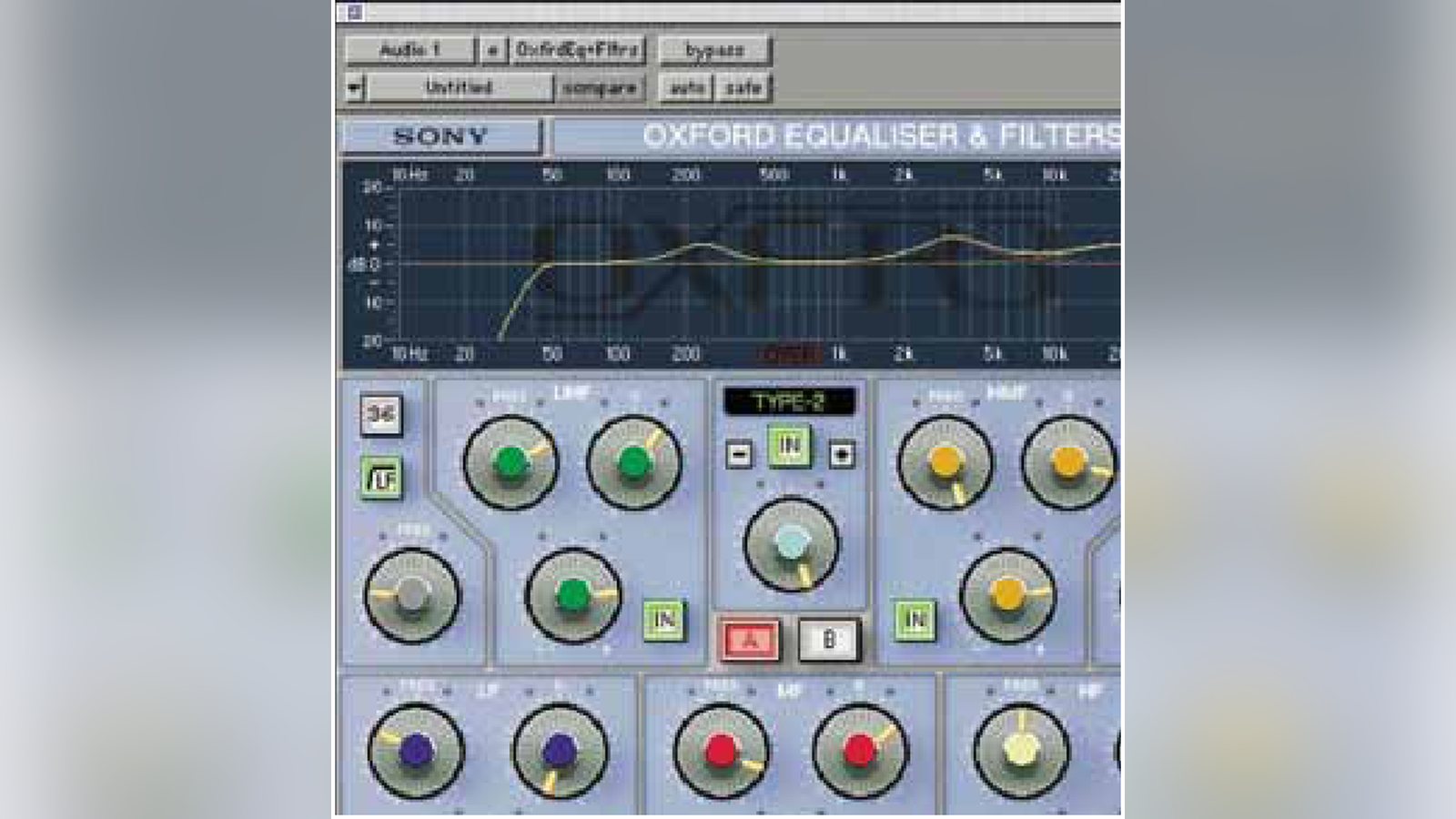
Roy Harter: I compose within Ableton, and then I mix within ProTools. This answer will probably disappoint the gear-heads. My plugin set is fairly basic. The most exotic plugin I have is probably the Sony Oxford EQ. The Waves Restoration bundle comes in handy when I’m dealing with location sound. Most people would be very surprised to learn that my most exotic sounds are achieved with basic pitch-shifting, reversing, or delays. There are plenty of great sound designers releasing sounds to the public on a daily basis. Because my projects typically have a large audience, I feel it would be a shame if I wasn’t able to use their incredible sounds and expose them to the masses.
What aspects of a project make it more labor intensive, or difficult to compose?
Roy Harter: The only really challenging part of this business would be surpassing the expectations of your client. My clients know that if I’m involved with their project, I’ll pretty much do whatever I can to blow their minds. Sometimes, I even like to set limitations upon myself in the studio, to challenge myself. It’s easy making weird sounds using today’s studio gear. Try limiting your sonic palette to see how creative you can get with a smaller toolkit. That’s when you really learn the tricks. The main problem in modern studios are the endless amount of possibilities.
What are some typical sound design challenges that you encounter? How do you overcome them?
Roy Harter: The most challenging part is trying to decipher the silly sounds that producers make when they are describing sounds to me. I don’t mind a challenge. I actually seek them out. It’s the only way we can grow professionally, and as human beings. I love dealing with the different personalities in my studio. Fulfilling someone’s sonic vision is very satisfying to me, no matter how difficult of a personality they might prove to be in a creative situation.
Keep learning filmmaking
Want more lessons like this? Join StudentFilmmakers free for live webinars with working pros, and stream on-demand filmmaking classes in cinematography, directing, screenwriting, sound and post.