by Karestin Harrison and Tamara L. Honesty
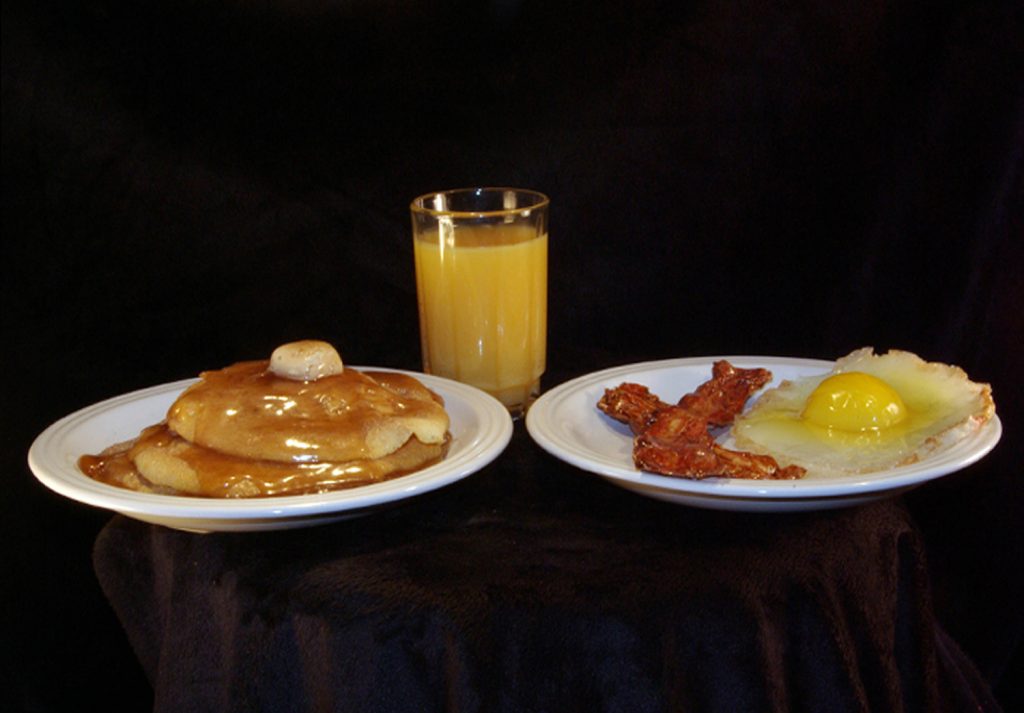
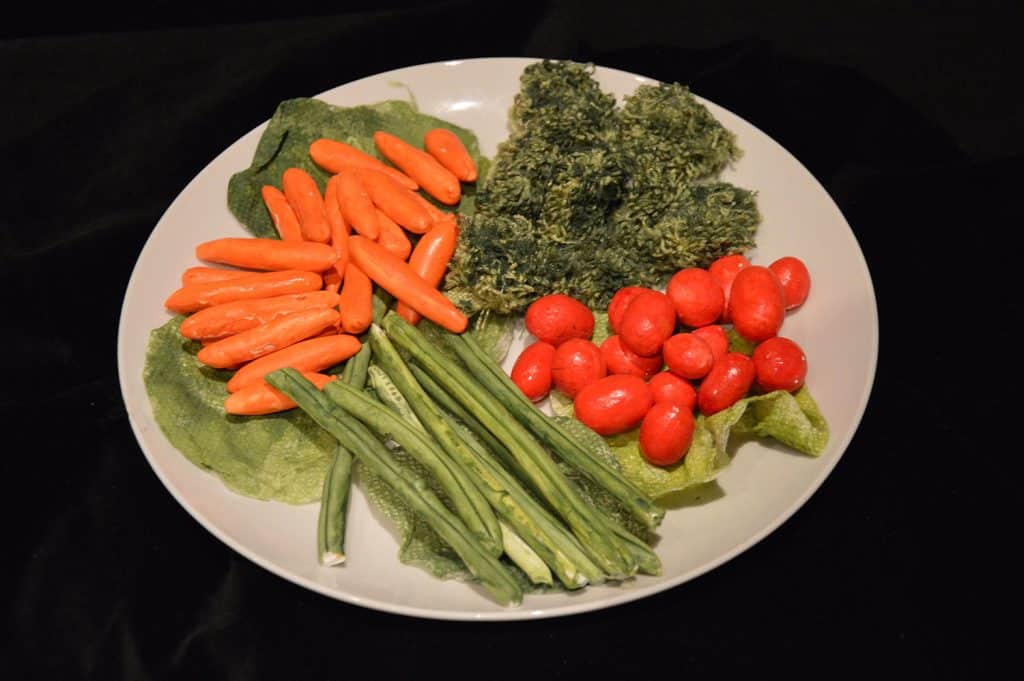
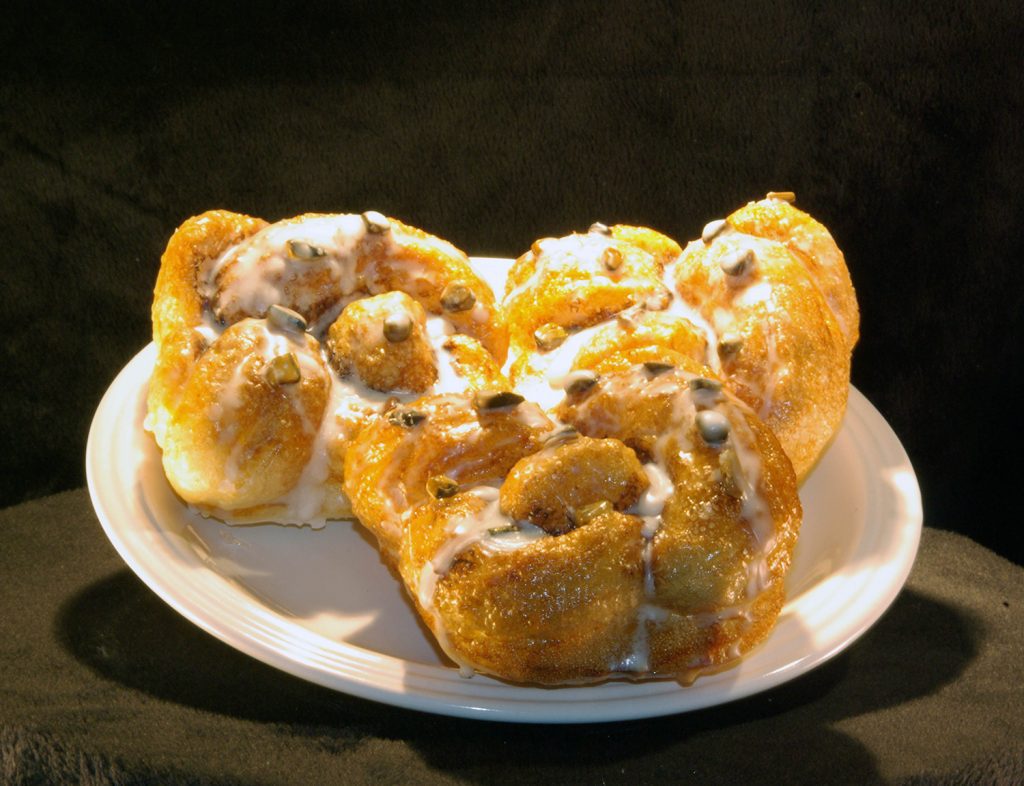
 The question of why create fake food instead of using real food is frequently asked. The answer is not cut and dry. There are several advantages to creating fake food including cost, storage, and reusability. Depending on the length of the run, creating fake food could be beneficial. If a production is scheduled to run for weeks at a regional theater or months on Broadway, creating fake food could be the most cost and time effective. It would cost far less to create the dish or dishes once then reuse them, than buy perishable items every night. By making the fake food from scratch, there is more flexibility and creativity in what the final piece looks like instead of buying them commercially manufactured. It is much easier to tweak the coloring or shape during the creation opposed to altering a mass-produced item.
If the items need to sit out for long periods on a film or photo shoot, then artificial food might be a more viable solution. Real food may spoil and attract insects. Fake food would also provide continuity throughout the day or from one day to the next. It is also more durable than real food and can be persevered for years by storing them in plastic storage bags and bins.
The recipes in this book help show how simple products found at hardware, grocery and craft stores can be used in creating good-looking dishes for a fraction of the cost of buying commercially made fake food. Many of the products used were under $20 and were used for several of the dishes. There are a wide variety of materials and techniques an artisan gets to experiment with when creating artificial food. Creating fake food also provides the opportunity to explore casting and mold making.