
By Peter Stein, ASC
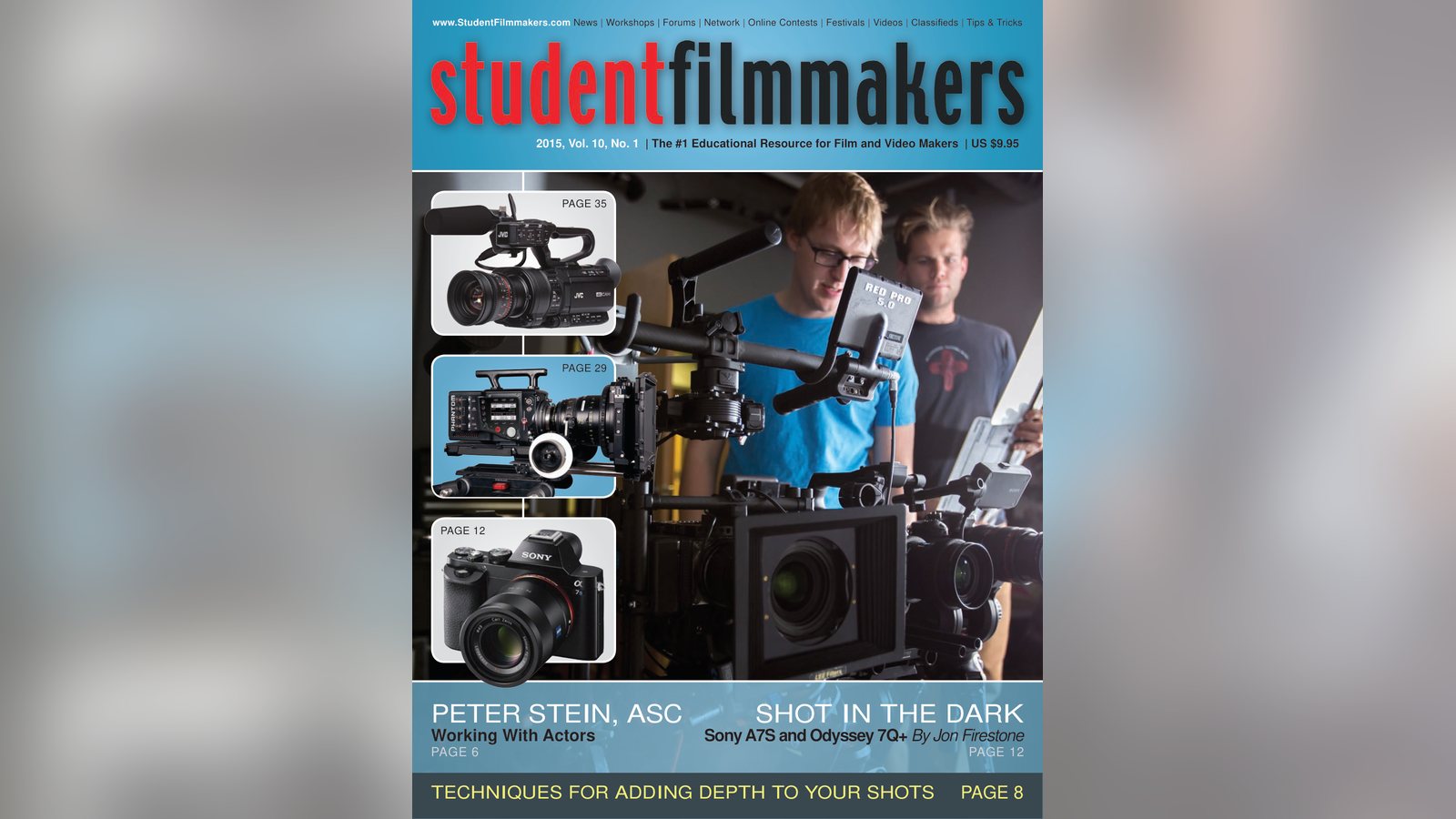
One of the most important relationships on set is between the actors and the DP. Peter Stein, ASC explains how cinematographers work well with actors.
One of most the important relationships on a film set is how well the actors and the DP relate to each other. There is a great deal of interaction as the actors need to hit their marks, move to the best positions for lighting, stand up slowly and do a thousand other things so the scene works. Aside from being polite respectful and friendly, the cinematographer needs to make the actors look good – and the look needs to work for the scene being shoot. As DPs we always realize that this is the actor’s career we are influencing and if an actor or actress looks good, or pretty, or handsome, or young or strong or important or scary we are doing a good job – if that is what is called for in the film. Actors are very aware when we are working to help them, and they will cooperate with us sometimes more than with directors whom they may disagree with as to the meaning of a scene – or how to perform it. They almost always appreciate the effort. In some films, actors sometimes “act” not only for the director, but also for the cinematographer, and look for encouragement from them.
At the beginning of a film many actors will come to me and say – this is the best side of my face, or I don’t look good if the camera is low, or don’t shoot me from behind if you see my bald spot etc. etc. etc. As a DP you need to listen to them as they know from experience and have possibly had problems before, or been told by other DPs, their agents or other people what works best for them. I always shoot tests with the actors of a film to find the best lighting (for different types of scenes), angles and viewpoints to shoot the stars in a new film project.
These examples come to mind:
I shot a film with Lauren Hutton who was a very famous model at the time. She told me “Peter, if you want to be friends with me, you will have at least 3 bounce cards under the camera in every scene. I always had them there with a bit of light bounced into them… whether or not they were the main lights in the scene.
I worked with Lillian Gish once (who was D.W. Griffith’s leading lady on a number of his films when movies first started) on an interview for the Kennedy Center Awards, and she said “Peter, can you put an inkie-dink under the camera like Mr. Bitzer did”. Billy Bitzer was the most famous cameraman in the early days of the movies. Of course I had an inkie attached to the tripod under the camera – and she was radiant.
I shot a children’s film with Hulk Hogan and Terry (Hulk’s real name) was lovely to work with. However, when we shot a scene in a gym where he was working out with the little kids, all of a sudden when I was doing close-ups of his muscles he got very serious. He said “These are the money shots Peter – make sure they look great.” I spent extra time and showed him what I was doing, and he really appreciated it.
Finally, I shot a huge period television movie with Jackie Gleason and Art Carney two of the biggest stars of the day. Gleason was not very happy during the filming and was more or less unfriendly to everyone on the crew including the director, but he was always very nice to me. He knew I could make him look good or bad.
If you can make an older actress look younger – you will work a lot. They appreciate it and the producers and the studios will want to keep hiring you – a very important aspect of being a DP … working! It is also great fun to be able to achieve beautiful lighting while keeping the mood of a scene consistent. The answer for lighting is using soft light for actors – the softer the better for most women. Where you place that light is the key – no pun intended!
Keep learning filmmaking
Want more lessons like this? Join StudentFilmmakers free for live webinars with working pros, and stream on-demand filmmaking classes in cinematography, directing, screenwriting, sound and post.






