By Jon Firestone
Cinematographer Jon Firestone describes shooting a project in high definition: the cameras, lenses, monitoring and crew habits that made the HD shoot work.
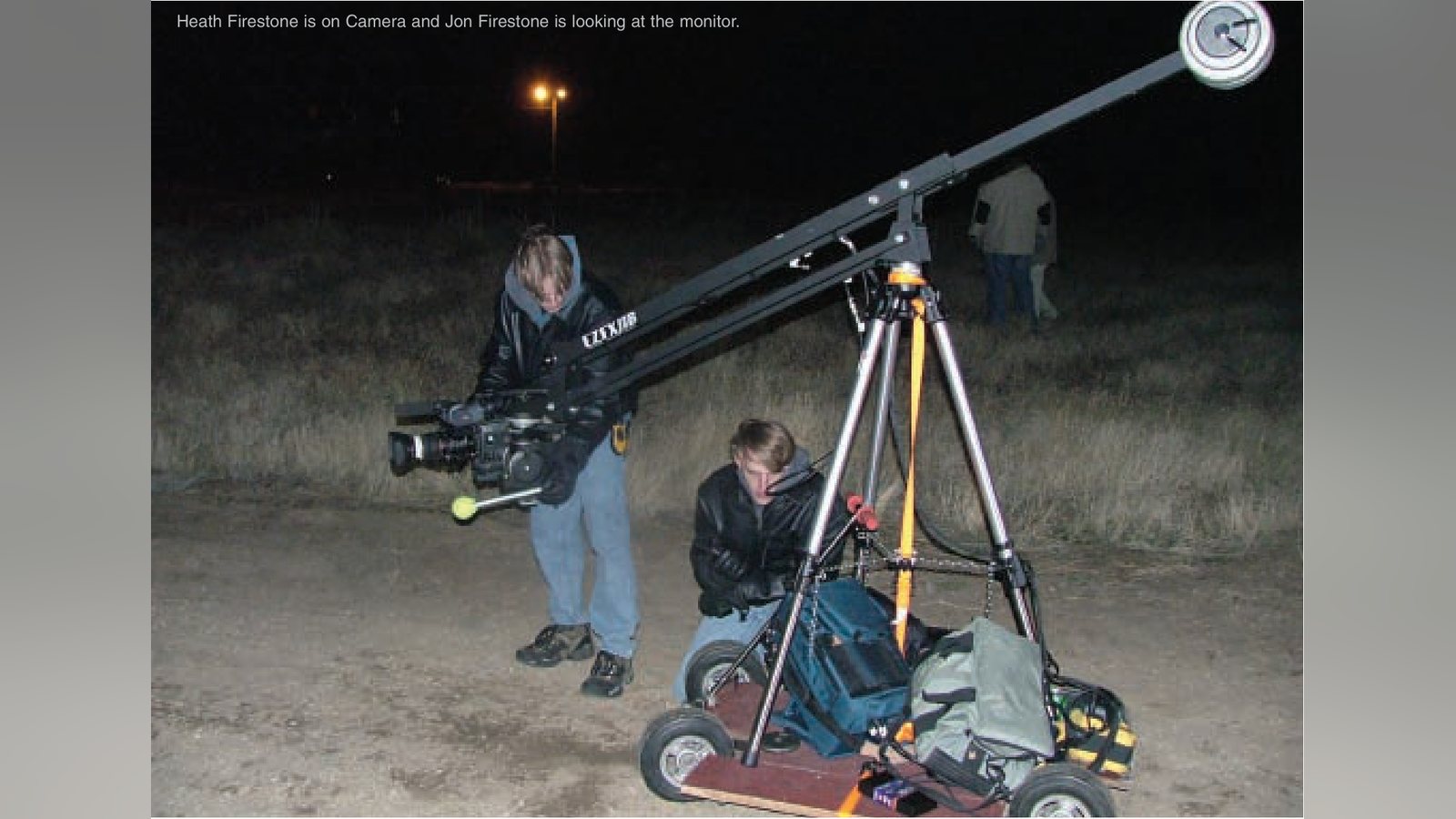
While working on a recent film being shot in super 16 using an Arri SR3 from Panavision, a friend of mine commented on how much more professional most film shoots are compared to HD shoots. I looked around, and aside from the format itself, many other things were different. The number of camera crew was larger and more experienced than most HD shoots I had worked on recently. We had a DP, a camera operator, an AC and a 2nd AC for one. The camera was also completely decked out with matte box, follow focus, gear head tripod, video assist and prime lenses, as well as a good zoom lens. We also had a nice decked out grip truck, a great gaffer, and a generator truck. In addition, we had a very involved script supervisor and a rigorous slating and logging procedure, which of course is crucial for syncing the sound in post. Format aside, the entire approach was different. Now this isn’t always true, but in many cases the same mentality that chooses to shoot in HD also chooses to compromise on other things that contribute to production value, from experience, and size of crew to skimping on gear.
Adding a Second Camera
Complicating things further, I’ve been in several situations where a second camera was added at the last minute, without the thought of beefing up the crew and gear sufficiently to really support it, with the mentality that “Tape is Cheap”. It’s not that there is anything wrong with multi-camera shoots. In fact, there are many advantages of shooting with multiple cameras, including improved continuity, and providing greater coverage, but there are some pitfalls as well. Lighting can take considerably longer when trying to hide the lights from both cameras and still provide good lighting from both angles. Also, the cameras can get in each other’s way, and usually I’d rather have one good shot than two compromised shots. Adding a second camera will not necessarily speed things up because the crew is often split up and the setups become more complicated.
Free for members
Sign up free to keep reading
It’s free and takes less than 30 seconds. You’ll also get our Interstellar issue free, and a community of filmmakers sharing their work.
No credit card. Continue with Google or your email.