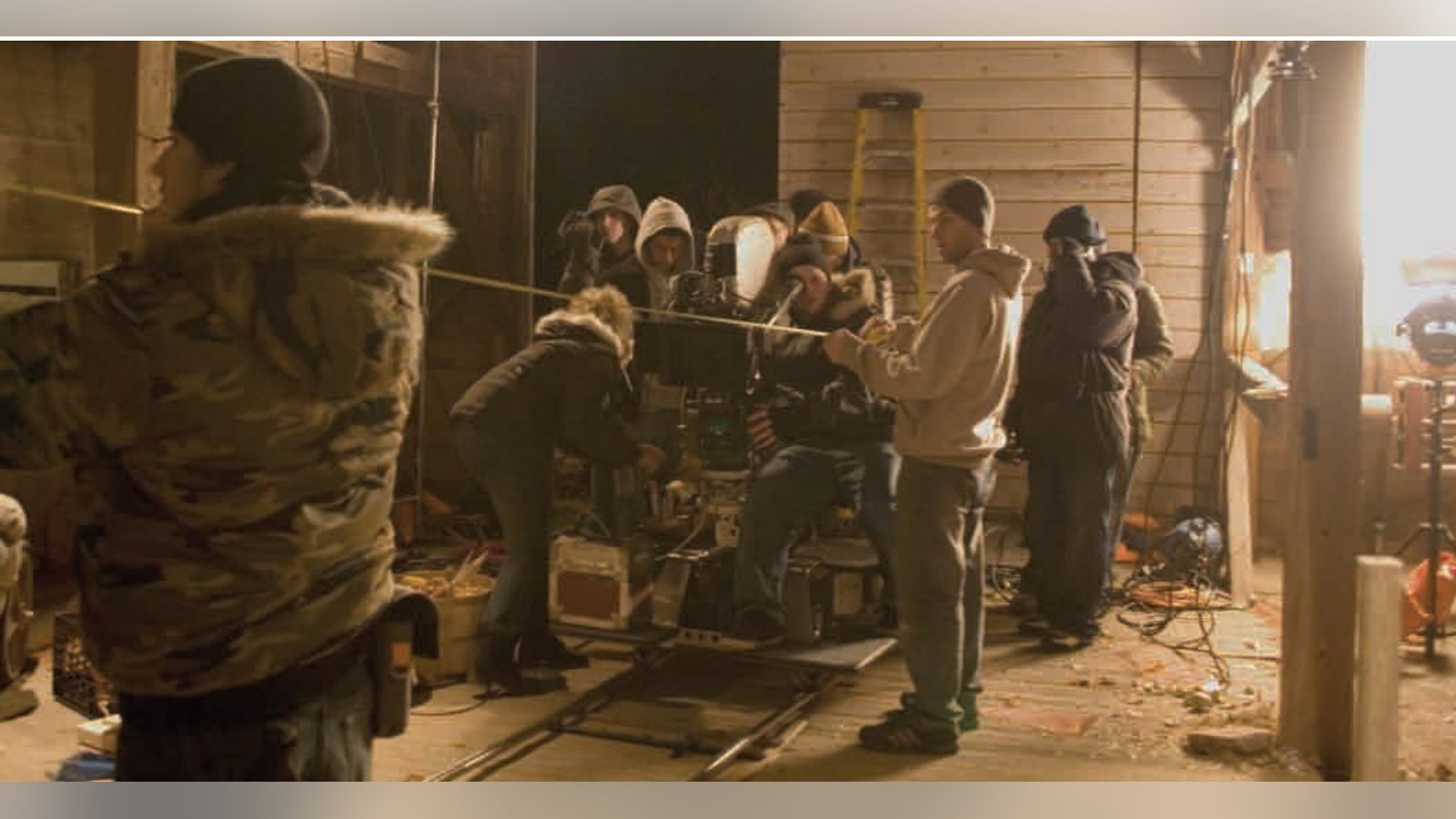
Five Towns College in Dix Hills, New York, trains film students with hands-on work on film and HD cameras, Mac labs and student-teacher collaborations.
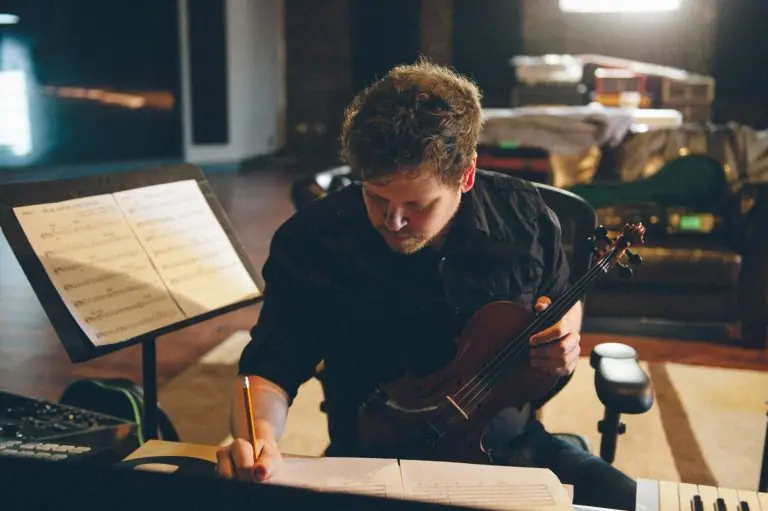
Located in Dix Hills, Long Island, New York, Five Towns College’s community of artists and educators get their students rolling through hands-on work with state-of-the-art film and HD cameras, upgraded Mac labs, and student and teacher collaborations. StudentFilmmakers Magazine interviews D’Angelo, Chair the Film/ Video Department at Five Towns College. D’Angelo takes five with StudentFilmmakers Magazine to talk about new classes, equipment, and FTC’s philosophy.
Has the evolution of film technology and film industry trends influenced the curriculum at Five Towns College?
Richard D’Angelo: We have added new classes over the past year. We have added “Commercial Production,” which has the students making professional commercial specs with HD and film using marketing and branding images. Another new class is “Independent Filmmaking,” where the students learn about distribution, promotion of films, how to reach a global audience, and study select works of some of the best independent filmmakers.
We have also modified classes across the board by introducing new software in our Digital Editing, Advanced Editing and Producing classes. This year we have reworked an old class “Basic Set Design” into Community Collaboration, State-of-the- Art Equipment, and Hands-On Training
Film Production Design
“Film Production Design.” This class educates film students on the job and function of a film production designer.
Next semester we will also be adding a “Documentary Production” class followed in the following semester with a “Horror Cinema” class.
What kinds of cameras and what kind of editing systems do the students use, and how available is the equipment for the students? What is the camera to student ratio?
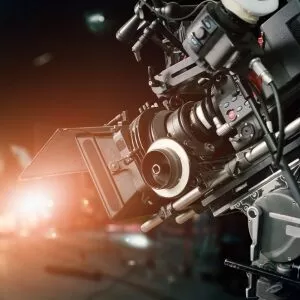
D’Angelo: We use a variety of cameras; Arri SR, Arri SR2, Arri SR3, Canon XL-2, Panasonic HVX 200, and the Sony EX3. We have just updated our Mac lab with brand new iMacs and have personal Mac Pro stations. The students cut on Final Cut Studio 2. We have 40 computers with FCP software, Creative Suite, After Effects, Gorilla Producing Software, and Frame Forge. The camera to student ratio is 1 camera for 5 students (1/5).
What is the teaching style or philosophy at FTC? What is important?
Richard D’Angelo: We created a community of filmmakers that respect each other’s styles filmmaking. To work with the understanding that every time you write a word for a script, shoot a frame of film, or direct an actor, it’s a unique way that should be appreciated and supported by the Film/Video Division community. The students are encourage to work on each other’s projects, as part of a 45 crew hour requirement per semester, doing various jobs such as camera, electric, grip, sound, and tech.
We believe in a productive class environment where the students should be working on film and video projects as they learn the fundamentals of the craft. It’s not about teaching cinematography or editing with just the tools (cameras and programs) but the philosophy of the art of filming and editing. As a student learns the history of filmmaking, they are encouraged to embrace the aspects of the genres they like and learn how to incorporate it into their own styles.
Preparing for Professional Jobs
The job of educating is also to prepare our students for professional jobs as filmmakers and video artists. We encourage students to do internships at production facilities, studios, and networks in the tri-state area. We are also privileged to have alum students working in the field (Panavision, Kingsworld, VH1, MTV, etc.) who help current students with internships and jobs.
What is important is that no student’s vision is left un-ignited to spark an imagination of creative work that will tell stories to entertain audiences from their college days long into their work as artistic professionals.
Related filmmaking guides
Keep learning filmmaking
Want more lessons like this? Join StudentFilmmakers free for live webinars with working pros, and stream on-demand filmmaking classes in cinematography, directing, screenwriting, sound and post.