By Dana Dorrity
In 1995 four Danish directors wrote the Dogme 95 rules. Dana Dorrity explains the vow of chastity and how to make a Dogme-style film that works.
In 1995, four film directors who were shooting television commercials in Copenhagen decided they wanted to make feature films. But they knew they shouldn’t just cross over from commercials into features, because they had too many bad habits. On commercials, a director has a huge budget for a small project that for the most part has no meaning. These directors believed that the only way they could make good, meaningful work would be if they went through a purification ritual. They decided they had to make at least one film without any excess: no lights, no makeup, no costumes, no soundtrack, no titles, no effects – just story and actors. Together, they wrote the ‘Dogme 95 Manifesto,’ that outlined all their prohibitions. The first Dogme film, Festen or The Celebration came out in 1998 and won the Palme D’Or at Cannes.
For most student filmmakers, these kinds of prohibitions against special effects, costumes, make-up and even lights, are nothing new. Film students are often working Dogme style because they can’t afford anything else.
Even though the Manifesto explicitly states that the format must be Academy 35 MM film, each of the first four filmmakers to take the Vow of Chastity, Lars Von Trier, Thomas Vinterberg, Kristian Levring and Soren Kragh-Jacobsen, realized the only way they could afford to shoot a feature with no lights and no additional sound, was to use a video camera. Digital Video came on the market shortly after they drafted the manifesto and since they were all shooting in Europe, they were able to shoot DV PAL.
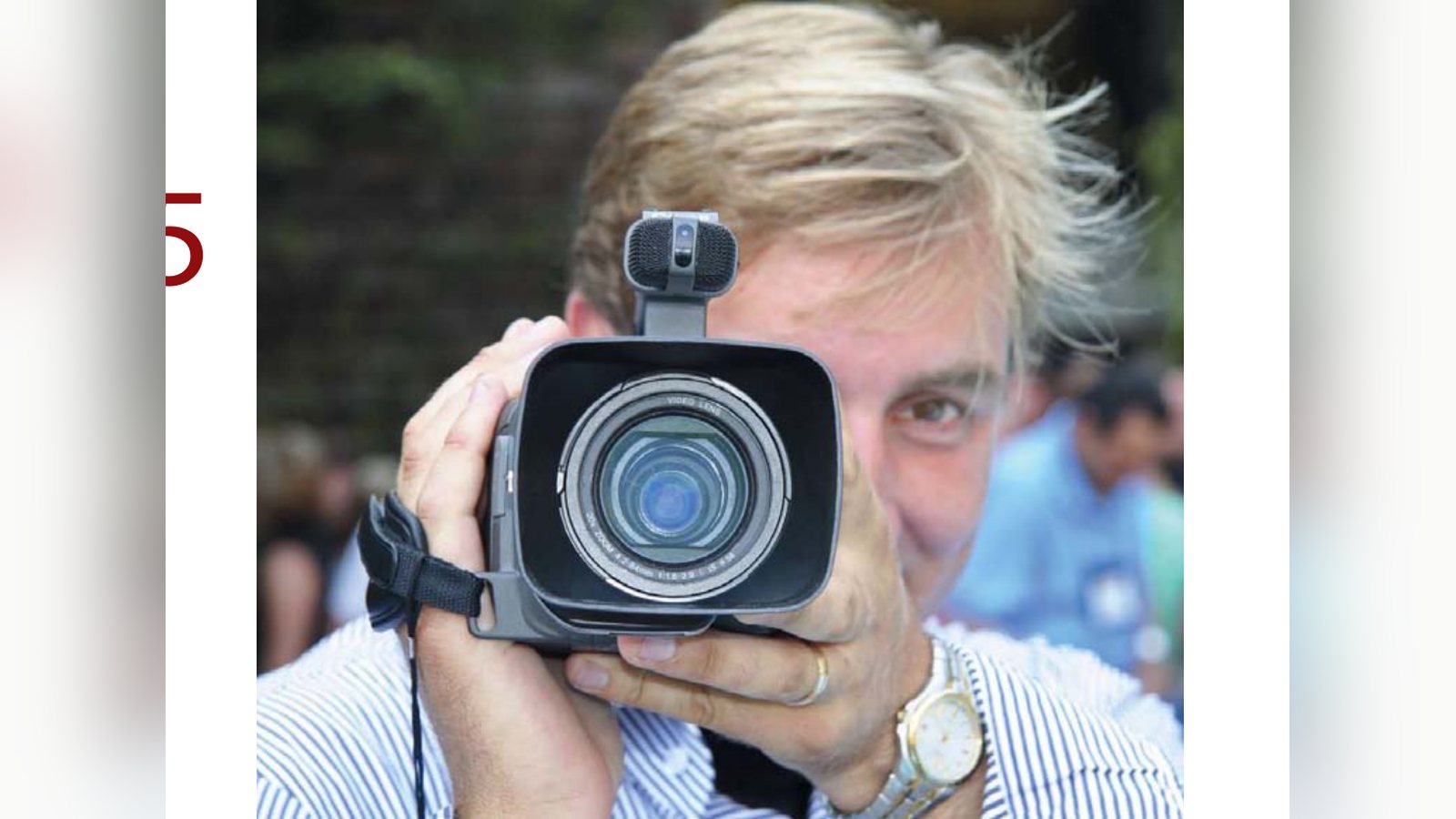
My inspiration to try to shoot Dogme style just arrived in the form of the new JVC HDV camera which shoots 720 lines of resolution which is nearly identical to DV PAL in picture clarity.
It’s important to understand that the Dogme manifesto is meant to help filmmakers evolve their style. It’s not a proscription for all filmmakers or a diatribe against Hollywood and special effects. It’s one way to focus on some aspects of visual storytelling by having others taken away.
If you think you might want to try making a Dogme style film, here are some suggestions for how to succeed. And when you’re done, you can submit it to the Dogme Collective (www.dogme95.dk) or through Zentropa Entertainment and get your official Dogme certificate.
1.
Choose an interesting location with a lot of available and natural light and set your story primarily in one spot. You won’t be allowed to bring in props, sets, or a light kit, so you’ll want as many available props as you can get and you’ll also want to be able to shoot without additional light. An old shut down theatre with a prop and costume room and a hole in the room, might be ideal. Soren Kragh-Jacobsen knew he wanted to tell a story about city people in the countryside, but he didn’t begin writing until he found the house that he used for the location in Mifune, that way he could write for the location.
Your location is also important because “temporal and geographic alienation are forbidden.” In other words the film story takes place in the here and now. Dogme films do not contain “superficial action;” horror, science fiction and other genres are also not allowed. The story must emerge from the characters’ desires and central conflicts. A great example of how this was done to great effect is Lone Scherfig’s Italian for Beginners, about a group of adults in a suburb of Denmark who take an Italian conversation class.
2.
You won’t be able to add titles to your finished film, so you’ll need to find a clever way to shoot titles and credits. In Festen, Vinterberg shot the titles underwater, because water is a motif throughout the film. Technically the name of each Dogme film is “Dogme” then whatever number they are up to, Julian Donkey-Boy by Harmony Korine, for example, is Dogme #6. Don’t waste too much time creatively shooting your own “film by” credit, because rule number 10 in the Manifesto is “the director must not be credited. In the opening of Scott Coffey’s Ellie Parker, an American Dogme style film, he pans his computer screen with the film’s title and the film credits.
3.
Hire actors that are also musicians or singers. You won’t be able to add any additional music and you probably can’t afford to get the rights for anything that happens to be playing on the radio, so an actor that can play the clarinette, strum a guitar or sing can help to add some music to your film.
4.
Don’t let the cinematographer drink too much coffee. All shooting is hand-held – no tripods. The film must also be shot in color, because the world you are shooting in is in color, optical work and filters are forbidden.
5.
Don’t be afraid to break the rules. Part of the Dogme 95 process is the Confession. You will cheat, so admit it. Along with the Vow of Chastity, the Dogme Collective expects a confession of every violation of the rules. The confession is also part of the purification ritual. Dana Dorrity is an assistant professor of Communications and Media Arts at Dutchess Community College. She has an MFA in screenwriting from the American Film Institute and teaches media writing, screenwriting and video production classes. AD Index
Keep learning filmmaking
Want more lessons like this? Join StudentFilmmakers free for live webinars with working pros, and stream on-demand filmmaking classes in cinematography, directing, screenwriting, sound and post.