Mastering the Art of Storyboarding: A Guide for Aspiring Filmmakers
Most filmmakers jump straight into shooting and hit roadblocks that could’ve been avoided. Sketching your film project through storyboarding saves time and shapes your vision before cameras roll. In this guide, you’ll learn how effective storyboarding sharpens your visual storytelling and keeps your filmmaking on track. Explore our filmmaker resources to bring your ideas clearly to life!
Storyboarding Essentials
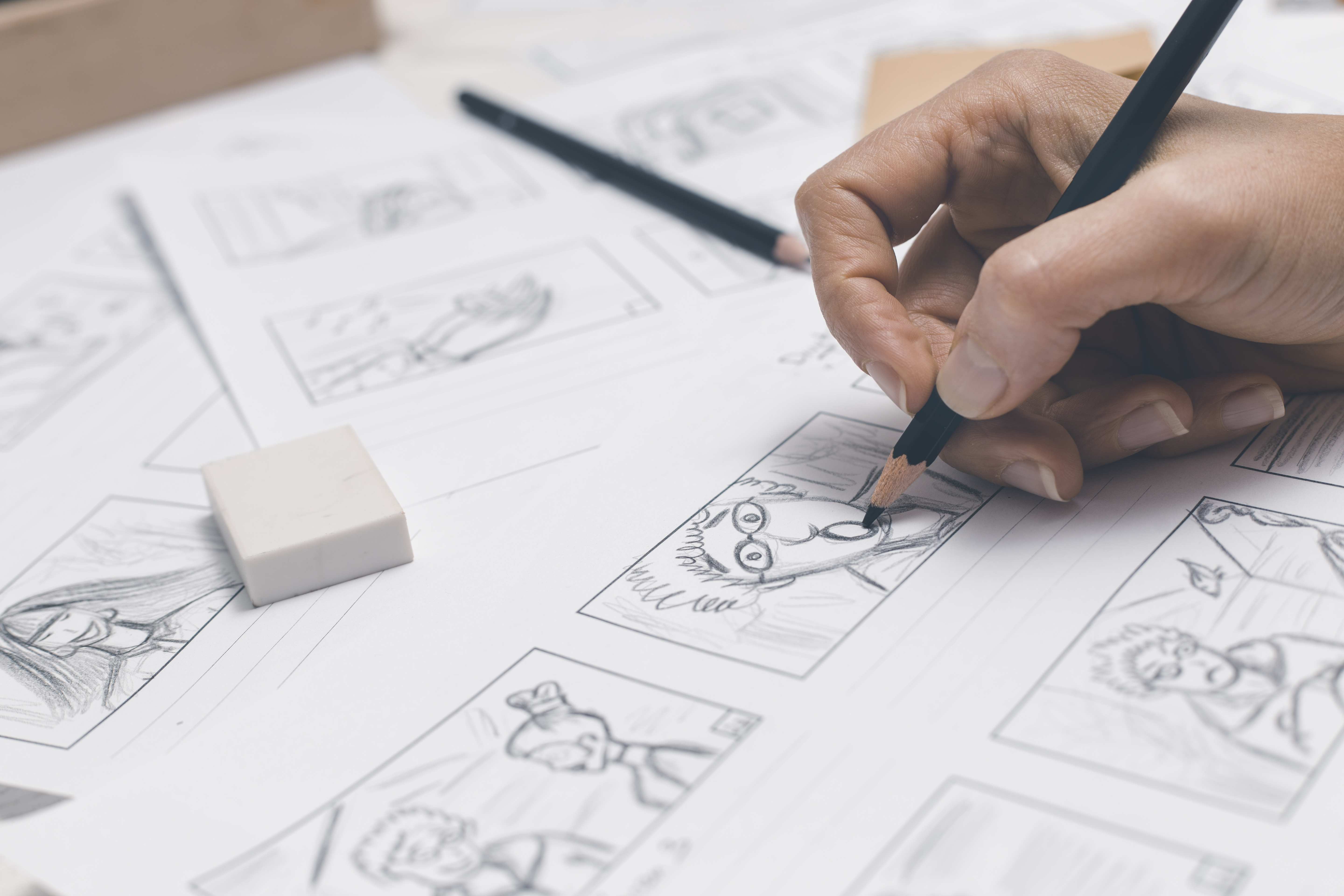
Unlock the power of storyboarding to streamline your filmmaking journey. It sets the stage for how you tell your story visually, ensuring every moment is intentional.
Crafting Your Visual Narrative
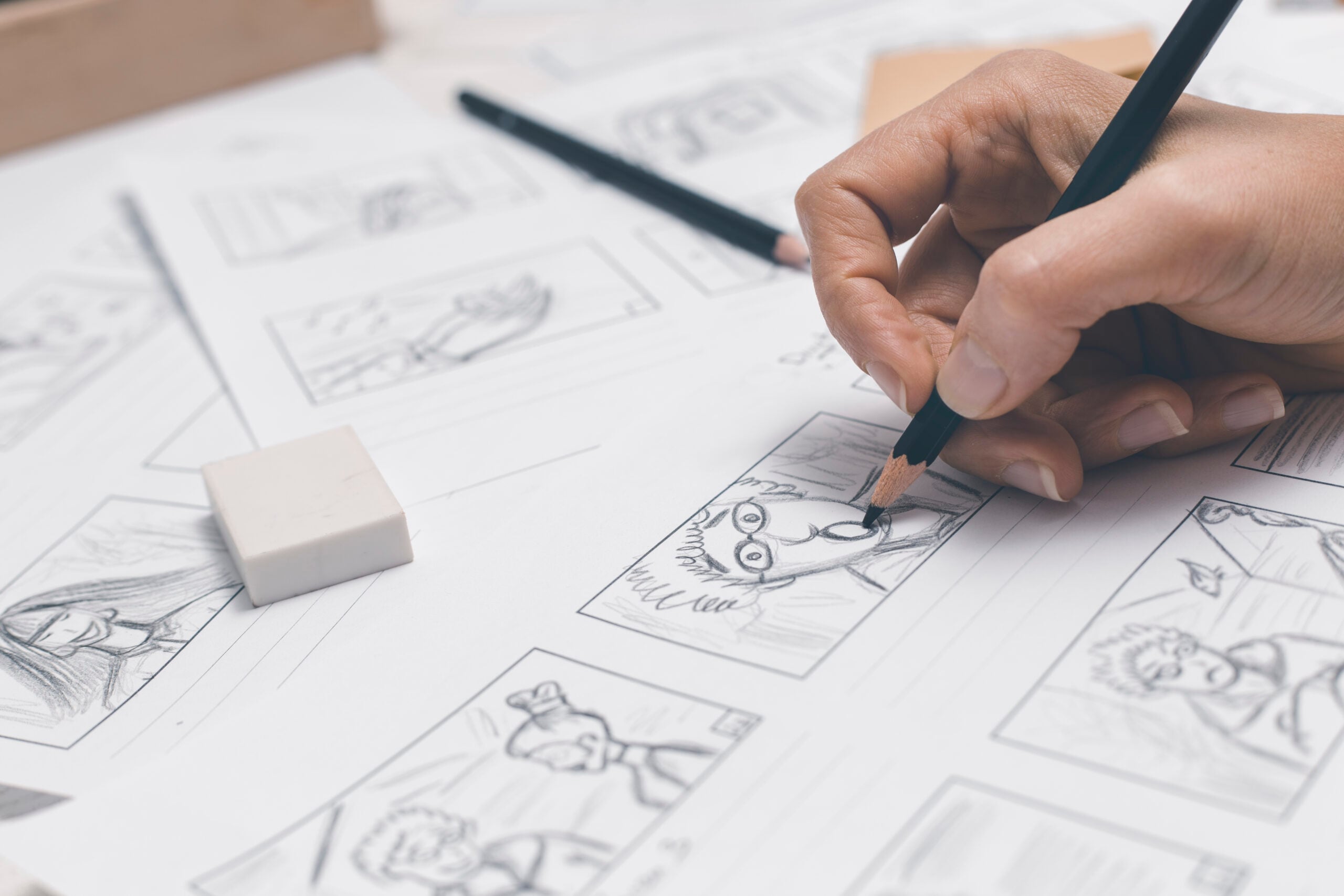
Imagine your film as a series of connected images. Storyboarding helps you plot these visuals, creating a clear path for your narrative. By sketching scenes, you see how each shot fits into the larger story. This process isn’t just about drawing; it’s about thinking critically about pacing and transitions. A well-crafted storyboard can act as a visual script, guiding your crew during production.
Key Components of a Storyboard
A storyboard is more than just a sequence of images. It includes dialogue snippets, camera angles, and sometimes brief notes on movement. Think of each frame as a puzzle piece, crucial to the overall picture. Pay attention to composition and how the visual elements interact. Adding details like timing helps others understand your vision better. Keep each frame simple yet informative to communicate effectively.
Benefits for Film Projects
Why invest time in storyboarding? It saves both time and resources. By planning, you avoid costly mistakes during shooting. Storyboarding ensures everyone—from directors to set designers—shares the same vision. This harmony boosts creativity and efficiency, allowing for on-the-fly adjustments without losing sight of your goals. In short, a storyboard keeps your project on track and aligned.
Techniques for Effective Storyboarding

To make the most of storyboarding, you must embrace effective techniques. These strategies help you organize scenes and collaborate effectively.
Planning and Structuring Scenes
Start by breaking down your script into major beats. Each scene must convey a specific emotion or action. Use numbered lists to outline the sequence. For example:
-
Establish the scene with a wide shot.
-
Introduce characters with medium shots.
-
Focus on dialogue with close-ups.
This method lets you visualize the flow of scenes. It acts as a blueprint, guiding your team through production. With a clear structure, your film project becomes more manageable.
Collaborating with Your Team
Communication is key. Share your storyboard with the entire crew. Discuss and refine ideas together. Encourage feedback to enhance the project. Remember, storyboarding is a collaborative effort. Tools like Milanote make sharing and editing easy. They allow real-time updates, ensuring everyone is on the same page. When everyone contributes, the end product is richer and more refined.
Tools and Resources for Filmmakers
The right tools simplify the storyboarding process. Programs like Boords offer templates and digital drawing capabilities. These resources help you craft professional-looking storyboards faster. Online platforms provide tutorials and tips, such as StudioBinder’s guide, which can be invaluable for beginners. With the right tools, even complex projects become less daunting.
Enhancing Your Filmmaking Skills

Storyboarding is just one piece of the filmmaking puzzle. To truly excel, you need to continually learn and adapt.
Learning from Industry Experts
Gain insights from those who have mastered the craft. Many seasoned filmmakers share their experiences and tips on forums like Reddit. These platforms offer direct access to expert advice, helping you avoid common pitfalls. Engaging with industry veterans provides new perspectives and inspires innovative approaches to storytelling.
Exploring Filmmaker Resources
Tap into resources designed to boost your skills. Student Filmmakers Magazine offers articles, interviews, and tutorials tailored to filmmakers like you. They cover everything from cinematography to sound design. Staying informed on the latest trends keeps your work fresh and relevant. By exploring these resources, you expand your creative toolkit, allowing you to tackle any project with confidence.
Join the Storyboarding Community 🎥
Being part of a community enriches your filmmaking journey. Engage with fellow filmmakers, share your work, and receive feedback. Platforms like Student Filmmakers Magazine foster a supportive environment for growth and collaboration. The longer you wait to join, the more opportunities slip by. Dive in and connect with like-minded creators who share your passion for storytelling.
Embrace the art of storyboarding and watch your filmmaking skills flourish. With the right techniques and resources, you can turn your cinematic visions into reality.