The Power of Sound: Elevating Your Film’s Emotional Impact
Most filmmakers focus on visuals and forget the secret weapon hiding in their audio tracks. Your film’s emotional impact depends heavily on sound design, shaping how audiences feel every scene. In this post, you’ll uncover filmmaking tips that show why film sound is more than background noise—it’s a powerful storytelling tool you can’t afford to ignore.
Understanding Film Sound
Sound in film might seem secondary, but it’s crucial for storytelling. The interplay of sound and visuals creates a rich viewing experience that captivates audiences.
Importance of Sound Design
Most people think visuals are all that matter, but sound design is key to a film’s success. Without it, your movie might fall flat. Sound design involves crafting the auditory elements that support the narrative and evoke emotions. Imagine watching a thriller with no suspenseful music or a rom-com without sweet melodies. These elements set the mood and draw viewers into the story.
Sound design isn’t just about music. It’s dialogue, effects, and ambient sounds too. Each piece plays a role in building your film’s world. Consider “Jaws”—the shark’s approach is unforgettable because of its iconic sound. Imagine this impact missing; the tension would vanish. Your film can achieve similar depth with thoughtful sound design.
Emotional Impact of Sound
Sound can stir feelings like no other element in film. It guides the audience’s emotions subtly yet powerfully. Think of a tear-jerking scene—what makes it resonate? Often, it’s the music. A heart-wrenching score can bring tears to eyes, while silence can amplify a moment’s weight.
In horror films, sudden sounds can make viewers jump, while soothing tunes might relax them in dramas. These audio cues manipulate emotions effectively. Did you know that sound can even alter perceptions of time? A quick tempo might make scenes feel fast-paced, while a slow melody drags out suspenseful moments. This is why sound design is more than an afterthought—it shapes the emotional journey of your audience.
Techniques for Cinematic Sound
Now that you grasp sound’s importance, let’s explore techniques that elevate your film. These methods will enhance your storytelling and engage viewers more deeply.
Enhancing Audio in Film
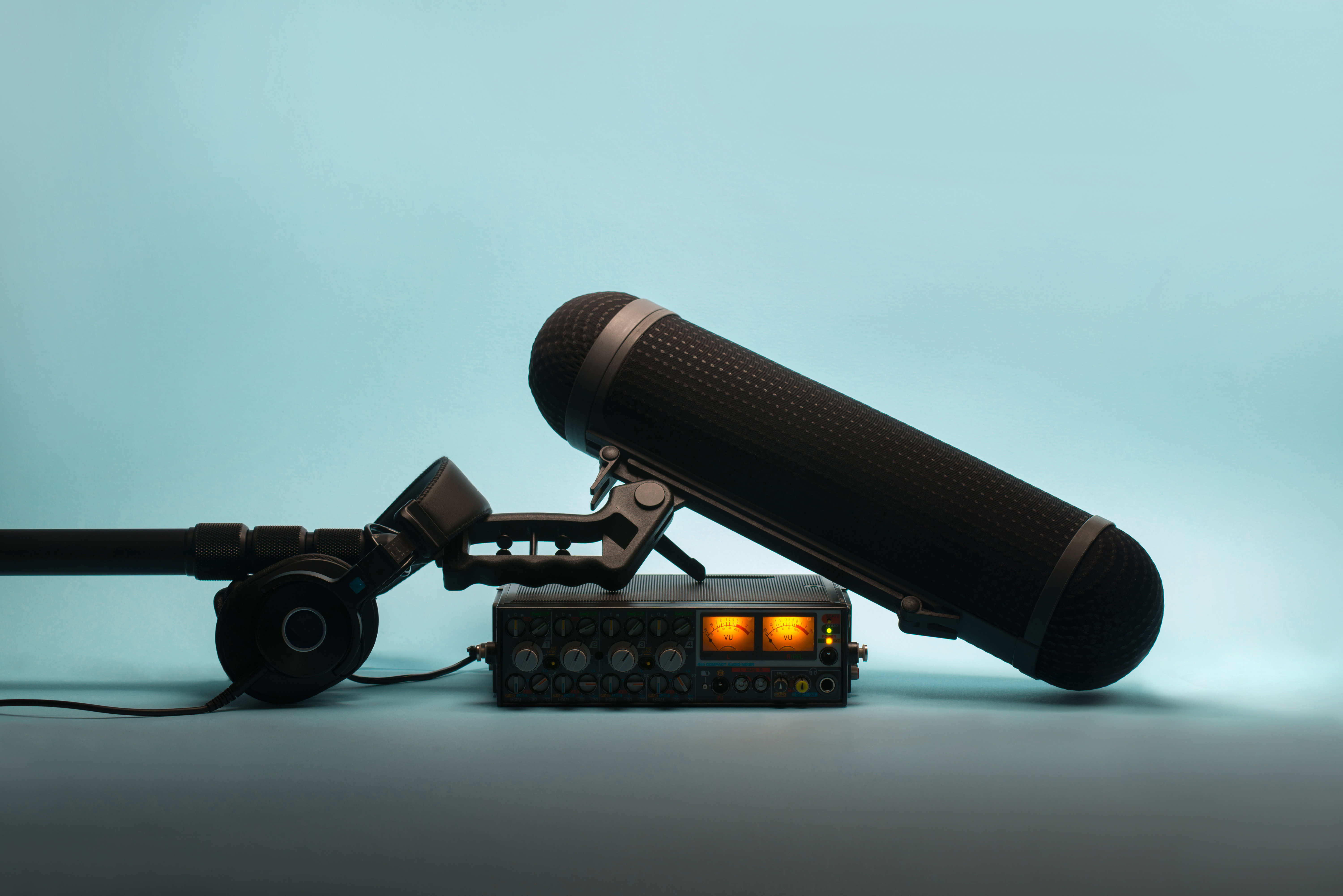
To create captivating audio, start by ensuring your sound quality is top-notch. A crisp sound can make dialogue clear and effects impactful. Use high-quality microphones and record in controlled environments when possible. Simple adjustments like reducing background noise or balancing audio levels can make a big difference.
Next, think about layering sounds. Combine ambient noises, dialogue, and music to create a full soundscape. Remember, less can be more—use silence strategically to heighten tension or focus on a character’s emotions. For instance, a quiet pause before a big reveal can be more dramatic than filling the space with noise.
Filmmaking Tips for Sound Design
Here’s the key insight: successful sound design requires planning. Consider sound at every stage of production, not just post-editing. During scriptwriting, think about how sound will complement the story. While shooting, capture as much live audio as possible to give your film authenticity.
In post-production, collaborate with sound designers. Communicate your vision clearly so they can bring it to life. Use software like Pro Tools or Audacity to fine-tune audio and experiment with effects. Don’t be afraid to try unconventional sounds; they might surprise you with their effectiveness. Remember, sound is your secret weapon—use it wisely.
Incorporating Sound in Film Production
With techniques at your disposal, it’s time to incorporate sound into your film effectively. This section will guide you through building emotional depth and crafting unforgettable audio experiences.
Building Emotional Depth
Sound helps you build layers of emotion in your film. By aligning audio cues with visual storytelling, you can guide viewers’ feelings intentionally. Start by identifying key emotional beats in your script. For each, choose sounds that enhance these moments—a gentle piano for a heartfelt scene or distant thunder for impending doom.
Experiment with contrasts. A cheerful tune during a sad scene can create a jarring effect, adding complexity to the narrative. Use sound transitions to lead audiences smoothly from one emotion to another. Remember, your goal is to make viewers feel and think, not just watch.
Crafting Memorable Film Sound 🎬🎧
Crafting memorable sound begins with creativity. Think beyond traditional audio choices. Everyday objects can produce unique sounds; experiment with them. Record footsteps in gravel for a gritty feel or use a fan for a subtle breeze effect.
Consider working with a composer to develop original scores tailored to your film. An original soundtrack can distinguish your work and make it memorable. Don’t shy away from feedback—test your audio with different audiences and adjust accordingly. The longer you wait, the harder it becomes to fix sound issues, so prioritize it early in production.
By integrating these sound design strategies, you can transform your film into a captivating experience that resonates emotionally with audiences. Remember, film isn’t just what you see—it’s what you hear. Embrace sound as your ally in storytelling.