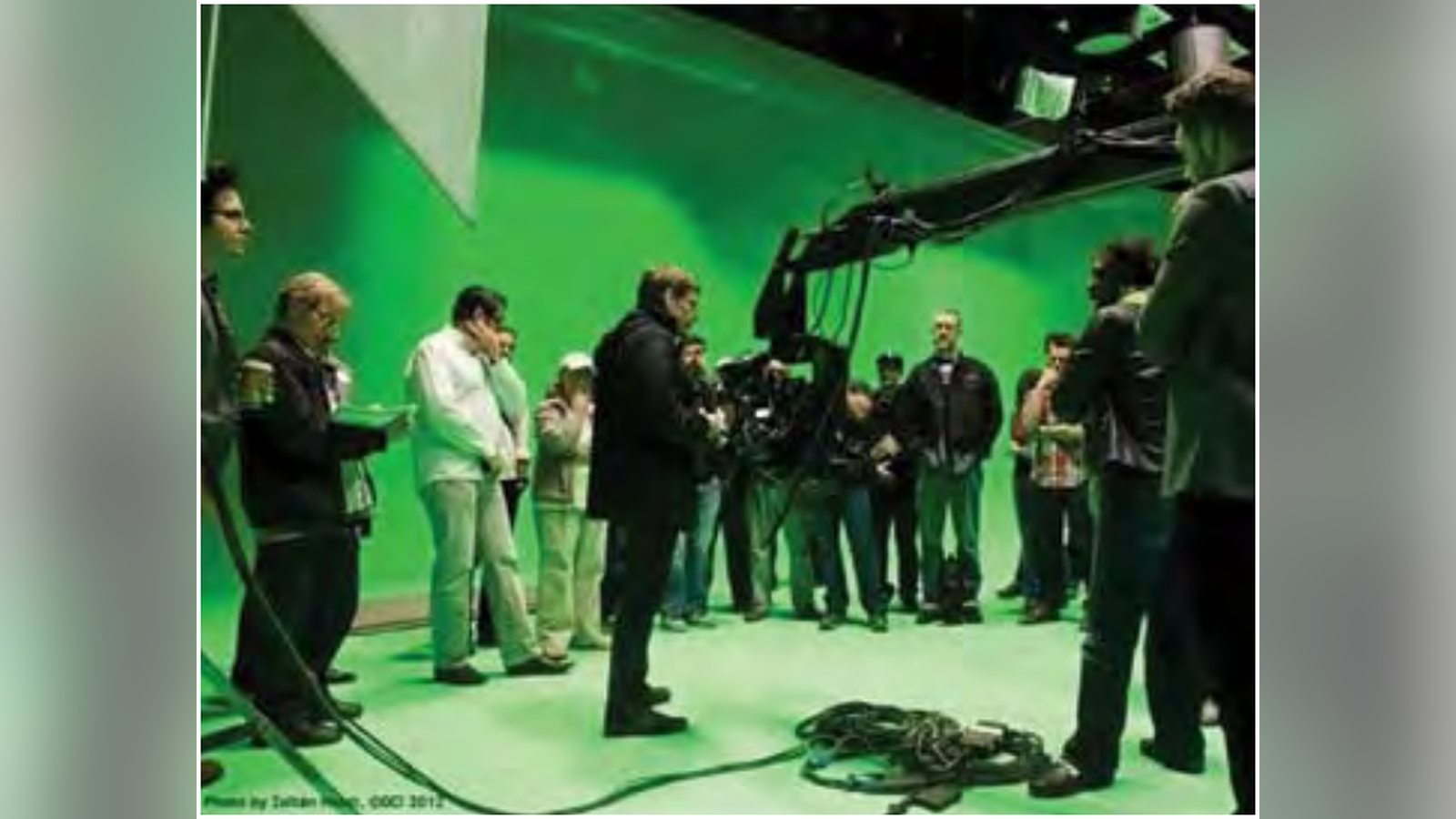
Cinematographer Yuri Neyman, ASC explains the Global Cinematography Institute’s courses and philosophy for cinematographers upgrading their skills.
Yuri Neyman, ASC Talks GCI, New Courses and Philosophy
Experienced cinematographers and directors are coming to the Global Cinematography Institute (GCI) to upgrade their artistic and technological potential, to learn about new cinematographer’s technologies and to be more competitive on the worldwide cinematographers market. Yuri Neyman, ASC talks briefly with StudentFilmmakers.com and StudentFilmmakers Magazine about what’s new at Global Cinematography Institute, new courses, and shares a few lighting tips.
Yuri Neyman, ASC: We finished the Second Course of our “Expanded Cinematography” classes and last week we started a new First Course, and another First Course will start on November 17th, 2012.
Based on our experience and feedback from students and teachers, new courses were added to the “Expanded Cinematography” curriculum. Also we increased screening programs and we watch now more films for such classes as “Advanced Cinematography for Feature Films,” “History of Cinematography,” and “Foundation of Lighting and Composition.”
What are some of the key learning goals and objectives for the new courses?
Yuri Neyman, ASC: We are devoted to preparing filmmakers to take advantage of on-going advances in digital and virtual cinematography technologies. Cinematography is a global language, which uses light and darkness, composition, camera movement, colors, focus, contrast and other elements of visual grammar to bring stories to life. The Institute will provide a forum where new and experienced filmmakers from all sectors of the industry can learn about the past, present and future of the art and craft of cinematography, including digital and virtual cameras and lighting.
Describe your teaching style? What’s your philosophy? What is important?
Yuri Neyman, ASC: Our main educational principle is expressed very eloquently by Oscar Wilde: “Be yourself, everyone else is already taken.” And what is the most important for us is the student individual development. We formulated our teaching style as a concept of attention of all teachers to TAISA™ principles developed by GCI. T – Talent, its recognition and nurturing. A – Ambitions development – reasonability and practicality of ambitions in movie world.
I – Imagination and its development and application to practical needs.
S – Skill.
A- Attitude – psychological preparations to deal with so many “different” people and how to not let them destroy you.
Could you share with us three lighting tips as it relates to visual storytelling and story?
Yuri Neyman, ASC: Number One – Light must be visible. The light is the main tool of the cinematographer and if lighting is “invisible,” flat and non-expressive – then the cinematographer most likely is showing to us an “unfinished” job.
Number Two – Light must be thoughtful. Audience must “understand” and accept consciously or subliminally that chosen by cinematographer lighting style helps the story and is right for the story.
Number Three – Light must “fit” the media. Not all lighting techniques developed for film production suit digital production, and some lighting technologies which are “natural” for digital cinematography, often impossible to mimic in film.
For more information visit www.globalcinematography.com
Keep learning filmmaking
Want more lessons like this? Join StudentFilmmakers free for live webinars with working pros, and stream on-demand filmmaking classes in cinematography, directing, screenwriting, sound and post.