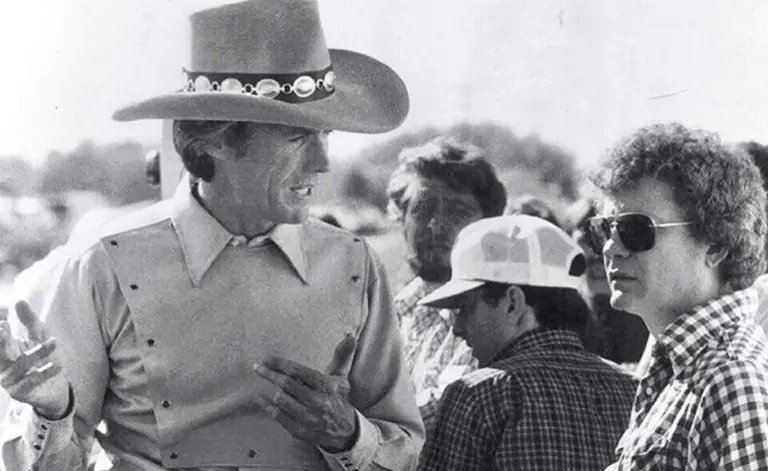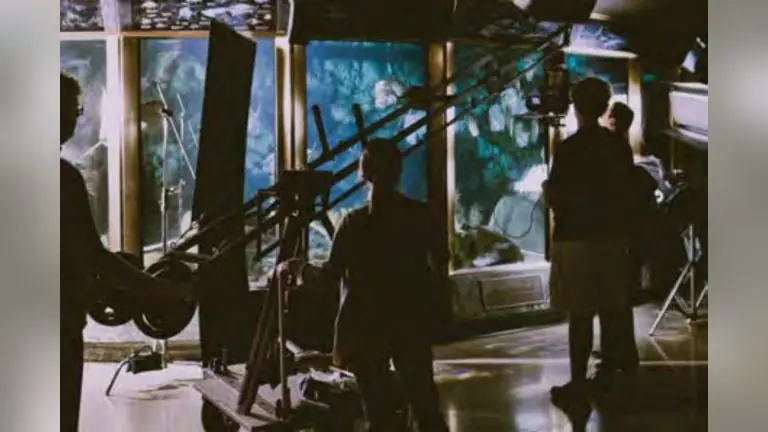
Tom Bernardo, a writer and producer on Bosch who co-developed Bosch: Legacy, opened up the show’s real development pages in a live class hosted by director Patrick Cady, ASC. The lesson for anyone hoping to write or make TV: a season is built in stages, on cards, then an outline, then a script, and each stage has to prove the drama works before the next one starts.
Cady, who earned an Emmy nomination as a cinematographer before he turned to directing, has directed episodes of both Bosch and Bosch: Legacy. That made him the right person to ask the questions. He knows what a director needs from a script, and Bernardo could answer from the room where those scripts are made.
When does a writers’ room start?
After the sale. Selling a series is the beginning of the work, not the end of it. The class covers how a room gets staffed, when it begins, and what the writers do in their first weeks together before a single episode exists on paper.
For someone outside the business, this stretch is mostly invisible. You hear that a show was picked up, and the next thing you see is a trailer. Bernardo fills in the middle.
How does a room break a season?
On a shared screen, Bernardo put up the Bosch: Legacy room’s index cards, each storyline in its own color. The process he described works in layers: the writers break the story by scene, then by act, then by episode, and across each storyline in the season.
Color matters because a serialized drama runs several stories at once. When each storyline has its own color, the writers can look at a wall, or a screen, and see at a glance whether one thread has gone quiet for three episodes or whether another is crowding everything else out.
| Stage | What the room works with |
|---|---|
| Cards | One idea per card, color-coded by storyline, moved around until the season holds together |
| Outline | The episode laid out in order, scene by scene, in prose |
| Script | The draft the director, cast and crew will actually work from |
The outline and script in the class come from an episode Cady directed, so you can follow one story from the planning stage to a scene on the page.
What is the difference between serialized and episodic TV?
An episodic show mostly wraps up its story within each hour, so you can drop in anywhere. A serialized show carries its story forward from one episode to the next, so you watch in order. Bosch: Legacy is serialized.
That creates the planning problem the class spends real time on. Over a ten-episode season, each storyline has to get its fair share of screen time and keep building, while the episodes still need to land on their own. The cards are how a room keeps that balance visible.
How do you break a scene into beats?
Think of a beat as a scene’s smallest working piece. It changes whenever something shifts, such as a character trying a different tactic to get what they want. Somewhere in most scenes there is a turn, the point where the situation is no longer what it was when the scene began.
In the class, Cady and Bernardo take a single page from Bosch: Legacy and read it beat by beat, marking where each one changes and where the scene turns. It is a useful exercise for directors as much as writers. If you can name the beats, you know where the actors need to shift, and often where the camera should too.
Try it on your own pages. Pick a one-page scene and draw a line each time someone changes approach. If you can’t find a turn, the scene may not be doing its job yet.
How do you contribute in a room and take notes?
A writers’ room is a group of people building something together under the showrunner, the head writer who also runs the production side of the series. The conversation covers how to be a writer who adds to that room rather than one who just waits for a turn to pitch.
It also covers notes: how a room gives them, how a writer takes them, and how they shape the next draft. For more on that side of the job, see How to Survive the Writers’ Room: Notes on Nightmare Notes.
Why do budget and schedule shape the story?
Because a script has to be made. The pair talk through how prep time, the shooting schedule and the budget push back on what the room writes, and how a story changes between the first pages and the shooting day. This is where producers and directors will find the most to think about, since their own choices meet the writing here.
A working order for your own pilot
If you are developing a series of your own, the class suggests a clear sequence:
- Plan your storylines for the whole season.
- Test them on cards, one color per storyline.
- Write an outline for each episode.
- Only then start drafting.
When that first draft is done, Rewriting Your TV Pilot: 10 Things for Your Second Draft covers the next pass. Cady and Bernardo also shared an as-aired script from their live sessions, available as a bonus download.
The full 71-minute class closes with a Q&A from the filmmakers who joined live.