

New Voices in the Magazine
2016–20214 min readFrom 2016 on, the magazine came out a few times a year as larger editions, and nearly every one featured an exclusive ASC interview. Many of these cinematographers work in television, where the most exciting camera work of the decade was happening, and several told us how they moved from the camera into the director’s chair.
Uta BriesewitzASC

“With the wide range of TV shows we have these days, that separation doesn't necessarily hold up anymore.”
Uta Briesewitz, ASC, on television and features
Uta Briesewitz, ASC, was the exclusive interview in the Holiday 2016 issue, talking about the differences between shooting episodic television and features. She was born in Leverkusen, Germany, in 1967 and trained at the film academy in Berlin and the AFI Conservatory in Los Angeles. She was the director of photography on the early seasons of The Wire, and has since become a sought-after television director, including on The Wheel of Time.
Hiro NaritaASC

“The most exciting part of my work, also very challenging, is to capture our real emotion and express them visually.”
Hiro Narita, ASC
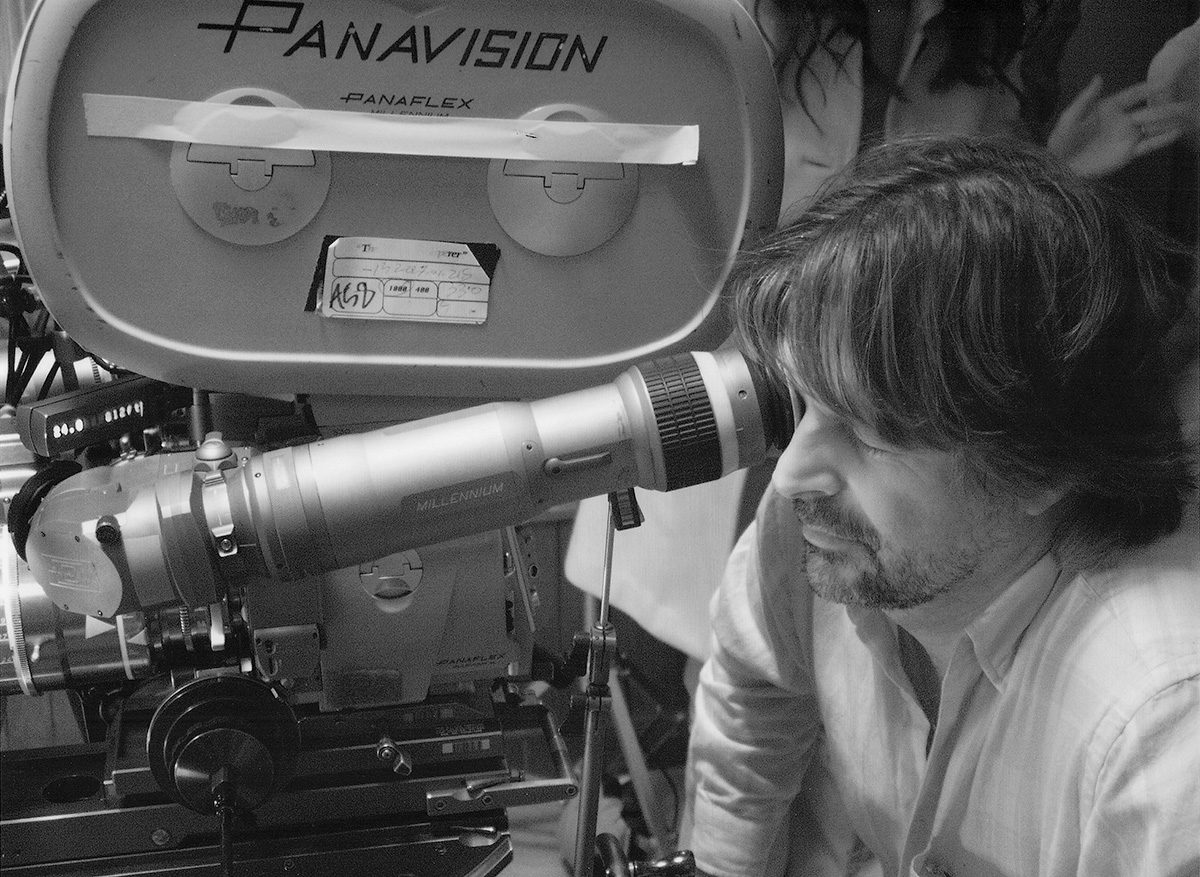
Hiro Narita, ASC, was on the cover of Volume 13, Number 4 in 2018 and went on to write a series of reflective columns for us. Narita was born in 1941 in what is now Seoul, to Japanese parents, and grew up in Nara and Tokyo before his family moved to Honolulu in 1957. He graduated from the San Francisco Art Institute in 1964 and was drafted into the Army, where he worked as a designer and photographer at the Pentagon.
Back in San Francisco, he chose film over graphic design. He was a still photographer on Michelangelo Antonioni’s Zabriskie Point and, as he told us, took every project that came his way when he started as a cameraman, horror and exploitation films included. Carroll Ballard’s Never Cry Wolf made his name, and he went on to shoot Honey, I Shrunk the Kids and Star Trek VI.
James ChressanthisASC, GSC

“Even though you are talking to people who speak a different language and come from a different culture, we have the movies in common.”
James Chressanthis, ASC, GSC
James Chressanthis, ASC, GSC, was on the cover of Volume 14, Number 1 in 2019, talking about storyboards, camera operators and shooting in China and Thailand. He also directed No Subtitles Necessary: Laszlo & Vilmos, the documentary about László Kovács and Vilmos Zsigmond, two cinematographers who appear throughout this story.
Tom HoughtonASC
“Good dramatic lighting will always be good lighting.”
Tom Houghton, ASC
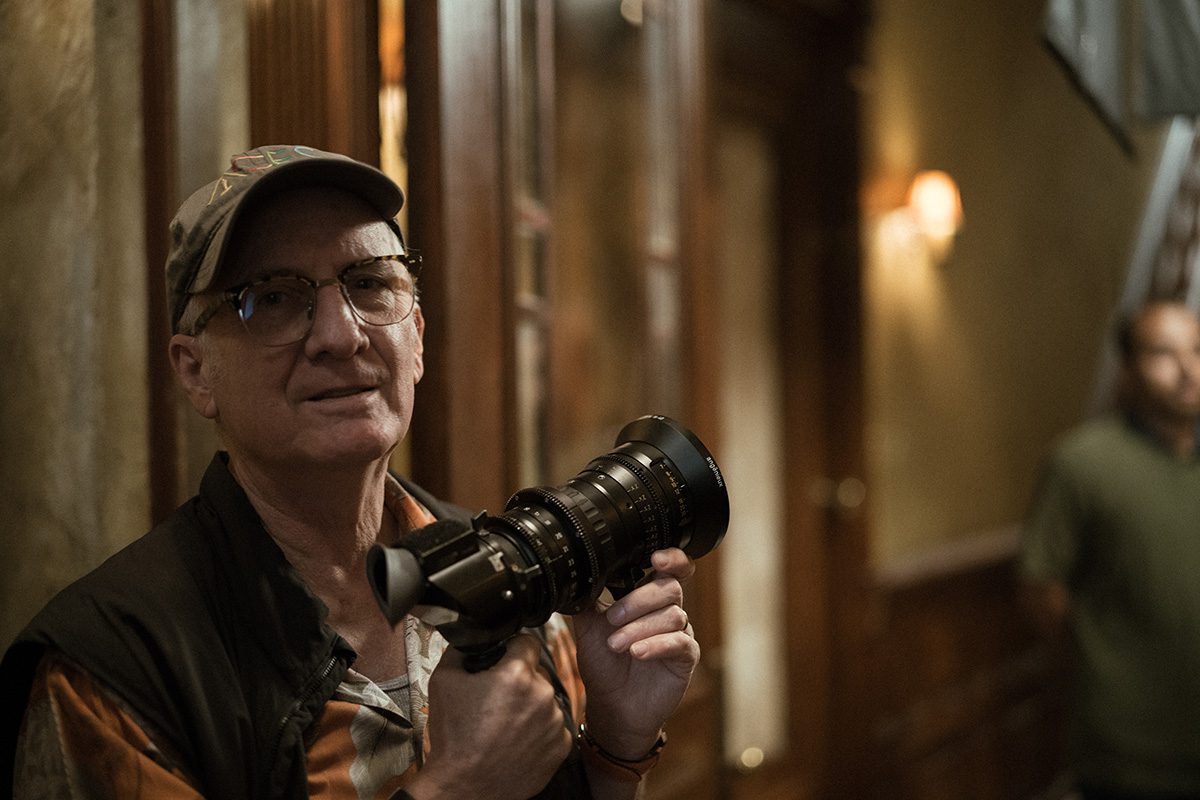
In the same 2019 issue, Tom Houghton, ASC, took us onto the set of CBS’s Elementary. Houghton was nominated for an Emmy for Rescue Me and shot American Horror Story: Coven, 30 Rock and features including They Came Together.
Patrick CadyASC

“I was an electrician and Gaffer, and before that I learned filmmaking at Ithaca College.”
Patrick Cady, ASC
No ASC member has done more with StudentFilmmakers than Patrick Cady, ASC. He was on the cover of Volume 15, Number 1 in 2020, talking about moving from director of photography to director. In 2025 he taught a whole season of live webinars for us on director’s prep, location scouting, casting, working with actors, managing the set, the edit room and virtual shadowing in television, and those sessions are now on-demand courses.
He told us he learned filmmaking at Ithaca College and worked as an electrician and gaffer, then went to NYU’s Tisch School, where meeting students who had run theater companies showed him what directing really meant. Cady got hooked on film as the camera intern on John Sayles’ Passion Fish, which was shot by a then up-and-coming cinematographer named Roger Deakins. He went on to shoot Karyn Kusama’s Girlfight and the series Rectify, and to direct episodes of Bosch, including its series finale. He cites Owen Roizman as a major influence.
- Exclusive Interview with Patrick Cady, ASC
- Patrick Cady, ASC: Virtual Shadowing in TV Production (On Demand)
- Patrick Cady, ASC Webinar Recap: “Director’s Prep” | Watch On Demand
- Patrick Cady, ASC: “On Set with the DP” Webinar (On Demand)
- A Masterclass in Story Structure with Patrick Cady, ASC
- “Director’s Prep” with Emmy-nominated Film/TV Director Patrick Cady, ASC
- Patrick Cady ASC, DGA & Michael Goi, ASC On Being DPs and Directors
Peter LevyASC
“I saw the cinematographer working, and I was like, that's it, I want to do that.”
Peter Levy, ASC
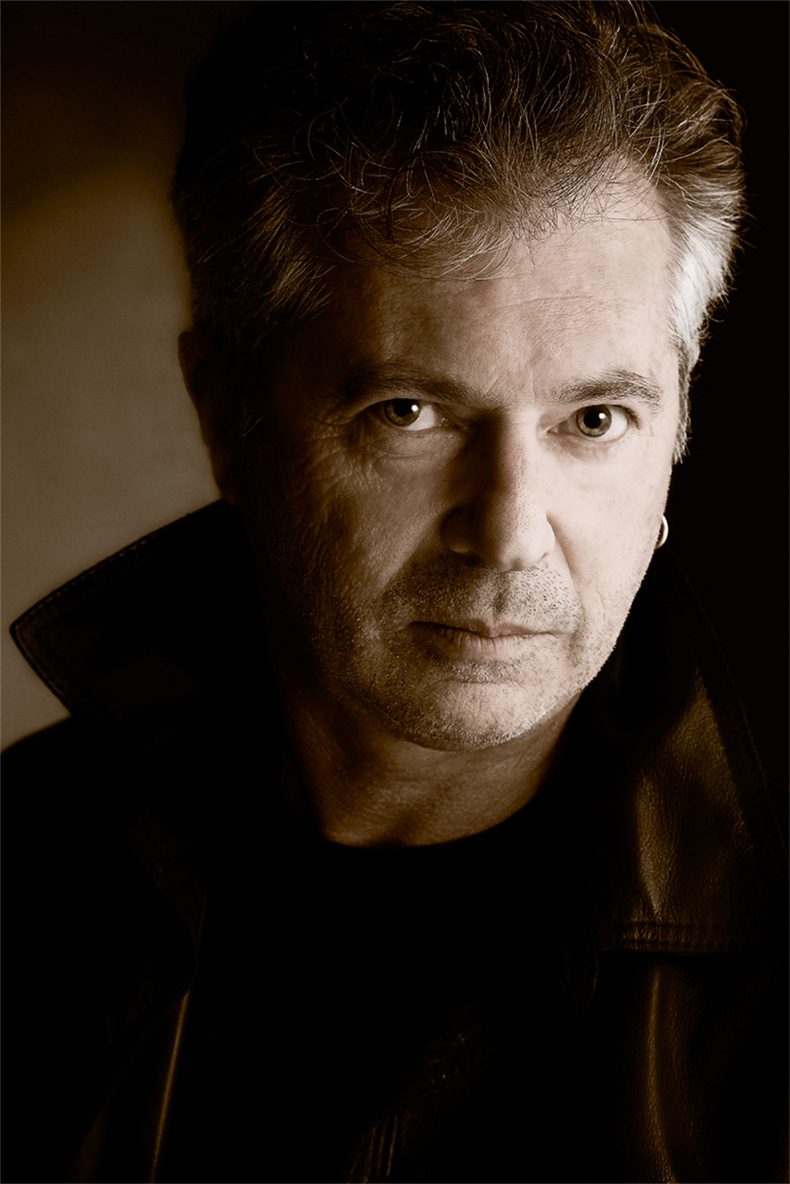
Peter Levy, ASC, shared the 2020 issue with Patrick Cady, and his answer to “Did you go to film school?” is one every student should read. He dropped out of high school at 17 and tried to make a living as a photographer. At 19 he shot stills on an independent film in Australia, watched the cinematographer at work, and knew immediately that was what he wanted to do. He worked his way up as a documentary assistant and started shooting after six or seven years, which he said was considered a bit audacious then. His credits include Predator 2, and he has mentored two winners of the Sun Cinematography Award, which encourages women studying cinematography.
Stijn Van der VekenASC, SBC

“Put your ego aside, accommodate the story, the performances and the director, and know you'll only achieve this as a team, never as an individual.”
Stijn Van der Veken, ASC, SBC
Stijn Van der Veken, ASC, SBC, wrote for us in 2020 about leading your audience’s eye. He was born and raised in Belgium, graduated from the IAD film school, and began his career as a camera assistant. His work includes Rogue Heroes.
David MoxnessASC, CSC
“Sometimes I feel lighting faces gets lost, yet it can be such a huge factor in storytelling.”
David Moxness, ASC, CSC
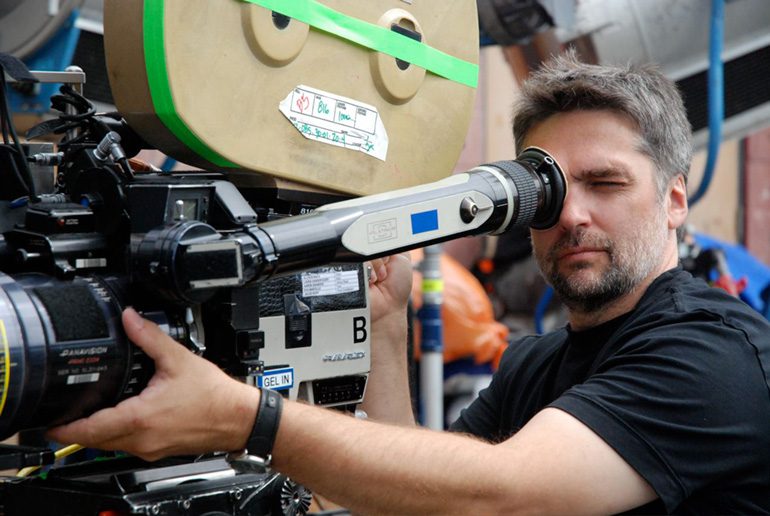
David Moxness, ASC, CSC, talked with us in 2020 about lighting the narrative. He began studying film and theatre at Brock University in Ontario while working as a production assistant at Alliance Atlantis, and his career led to series including Fringe.
John SimmonsASC
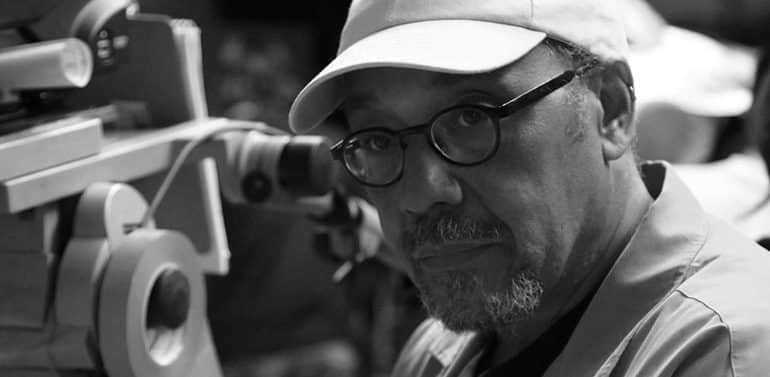
“Everything you see cinematically is there only to support the narrative.”
John Simmons, ASC
John Simmons, ASC, may be the purest example of the theme of this honor roll. He was born in Chicago and was introduced to photography by Robert Sengstacke in 1965. He won a scholarship to the University of Southern California to study cinematography, then worked as a camera technician and shot documentaries, commercials, features and music videos. He taught at UCLA for twenty-five years and received the ASC Cinematography Mentor Award for his commitment to young cinematographers. He talked with us in 2020.
Jon JoffinASC

“We wanted our world to be real yet magical.”
Jon Joffin, ASC, on Motherland: Fort Salem
In 2020 Jon Joffin, ASC, explained how he built the look of Motherland: Fort Salem, a world run by witches where technology never moved past analog. He lit with tungsten only, colored the light with warm sepias and yellows, and shot only on prime lenses, never zooms, to give the show a classic, painterly feel.
Tobias SchliesslerASC

“It was a life-changing experience and I feel very fortunate to be a part of telling this movie's story.”
Tobias Schliessler, ASC, on Refugee
Tobias Schliessler, ASC, wrote for us in 2020 about Refugee, a short film that came out of the time he spent with its director teaching filmmaking to children at a Syrian refugee camp in Jordan. He called it a life-changing experience. His feature work includes Dreamgirls and Beauty and the Beast.
Kenneth ZunderASC

“It wasn't important that the person talking always be in frame.”
Kenneth Zunder, ASC, on thirtysomething
Kenneth Zunder, ASC, told us in 2021 how he worked his way up through the camera ranks on Wonder Woman, Lou Grant, Rocky and Rain Man before earning his first cinematographer credit on thirtysomething. He credits his studies in art history and his documentary work with shaping his style. He went on to shoot Brooklyn Bridge, Judging Amy and Major Crimes, received six ASC and Emmy nominations, and served two terms as cinematography governor of the Television Academy.