


StudentFilmmakers Magazine · The Cinematographer Honor Roll
Cinematographer Honor Roll: Passing On the Art of Cinematography
For more than twenty years, members of the American Society of Cinematographers have taught, written for and mentored the StudentFilmmakers community. This is their story, told in the order they first joined us.
“There is no such thing as bad lighting.” Michael Goi, ASC, ISC, said it at an ASC lighting seminar that StudentFilmmakers Magazine covered in 2006, and it is still one of the best lessons a young cinematographer can hear. Michael, a cinematographer and director who went on to serve as president of the American Society of Cinematographers, is one of more than sixty great cinematographers who have passed on the art of cinematography to the StudentFilmmakers community. Our first cinematography workshop, taught by Roy H. Wagner, ASC, in Burbank in September 2004, started a habit that has lasted more than twenty years.
Since then, more than sixty cinematographers have given their time to this community: members of the American Society of Cinematographers (ASC), the British, Canadian and other societies of cinematographers, and working directors of photography and camera operators from film, television and documentary. They led workshops in a studio on Broadway in Manhattan. They sat for interviews that ran on the cover of StudentFilmmakers Magazine, which first appeared in April 2006. They answered student questions in our forums, judged our photo and video contests, and, more recently, taught live webinars that students joined from all over the world.
What follows is the other half of these cinematographers’ work, the part that does not show up in the credits. It is the story of how each of them first helped us, where they came from, how they broke in, and what they chose to pass on to the next generation.
What Does a Cinematographer Do?
A cinematographer, also called the director of photography (DP or DoP), is the artist responsible for how a film looks. Working side by side with the director, the cinematographer turns the story into images: choosing the camera and lenses, designing the lighting, deciding where the camera goes and how it moves, and shaping the framing, composition and color of every shot. On set, the director of photography leads the camera and lighting crews, from the camera operator and camera assistants to the gaffer and grips, and carries that visual style through to the final color grade.
The great cinematographers in this honor roll have done that job on Oscar-winning features, landmark television series, documentaries, commercials and music videos. Many are members of the American Society of Cinematographers (ASC), the British Society of Cinematographers (BSC) or the Canadian Society of Cinematographers (CSC), honors given by fellow cinematographers for outstanding work behind the camera. What they share is the reason this page exists: each one took the time to pass the art of cinematography on to student filmmakers and new directors of photography.
New to the craft? Read What Does a Cinematographer Do?, How to Become a Cinematographer, the relationship between the director and the director of photography, how cinematographers use color and our list of the top cinematography schools for aspiring cinematographers.
The honor roll is in five parts. Part 1 opens with Michael Goi, ASC, ISC; after that, the cinematographers appear roughly in order of when each one first worked with StudentFilmmakers. An index of every cinematographer is at the end of Part 5.
Where It Started
2004–20079 min readBefore there was a magazine, there were workshops. StudentFilmmakers.com, then a division of Welch Integrated, Inc., started bringing working cinematographers in front of students and young professionals in 2004. The first issue of StudentFilmmakers Magazine followed in April 2006, and within a year and a half it was running cover interviews with ASC members.
Michael GoiASC, ISC
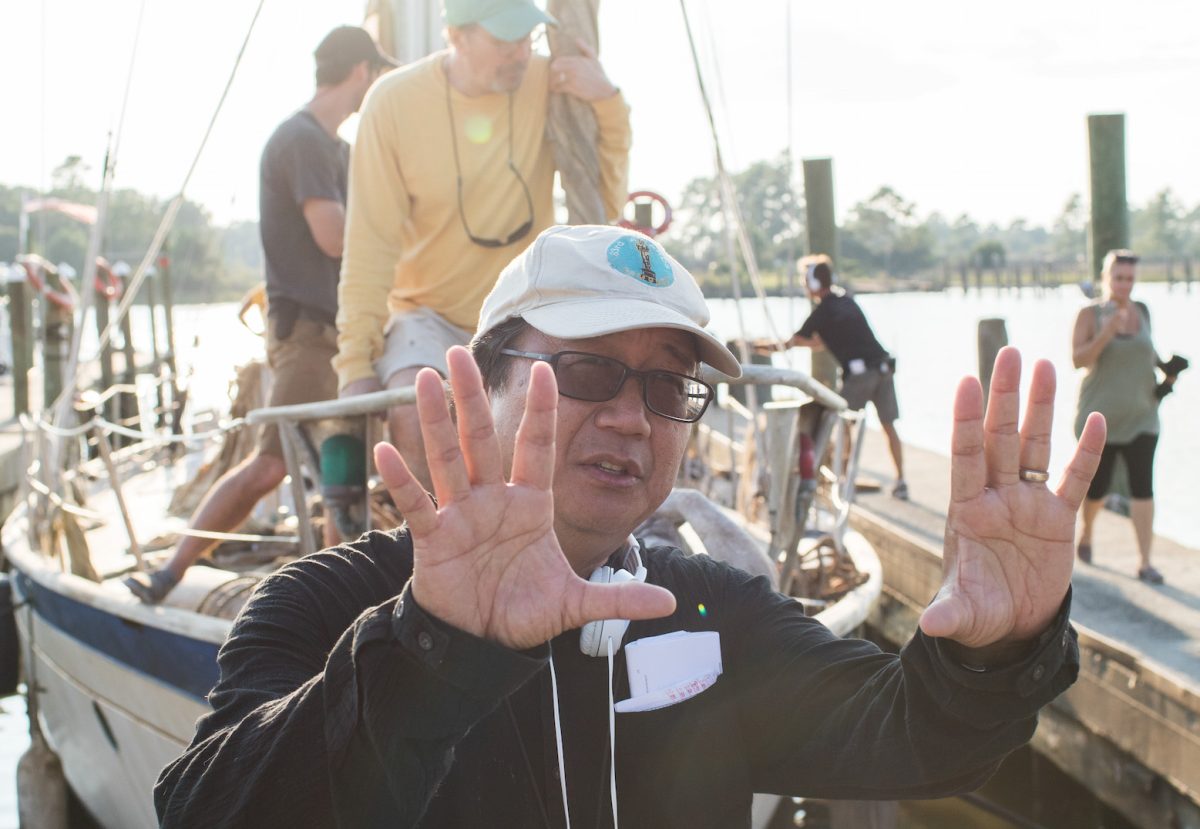
“There is no such thing as bad lighting.”
Michael Goi, ASC, at an ASC lighting seminar covered in StudentFilmmakers Magazine, 2006
Michael Goi first showed up in our pages in August 2006, when the magazine covered a Hollywood lighting seminar co-hosted by the ASC and the Digital Cinema Society. Goi, then ASC vice president, opened by saying there is no such thing as bad lighting. Three years later he was on the cover, in an exclusive interview in the September 2009 issue, talking about the society’s outreach to students and how he got started.
That start is a great story. Goi was born and raised in Chicago. At a friend’s seventh birthday party, he watched 8mm prints of Frankenstein and Dracula projected on a living room wall, and he was hooked. He got his own 8mm camera at eight and a 16mm Bolex at fourteen. Because shooting 16mm was expensive, he went looking for work and talked a Spanish-language aluminum siding company into letting him make its commercials. By the time he enrolled at Columbia College Chicago, he already had twelve television commercials on the air.
On June 19, 2010, he came to New York for a StudentFilmmakers low-budget feature filmmaking seminar and a pre-release screening of his film Megan Is Missing to benefit the KlaasKids Foundation. Since then he has led our From Student to the Studio seminar, judged our video contests and mentored winners, and in 2025 talked with us about AI and what film school leaves out. His course on moving from DP to director is part of the Academy.
- Exclusive Interview with Michael Goi, ASC
- Michael Goi, ASC on AI, Film School and Starting Your Career
- Michael Goi, ASC, ISC – Filming, “Words on Bathroom Walls”
- 3 Pro Tips for Directing Actors with Michael Goi, ASC, ISC
- Michael Goi, ASC Seminar: “From Student to The Studio” (Past Event)
- Transitioning from DP to Director with Michael Goi, ASC, ISC
Andrew LaszloASC
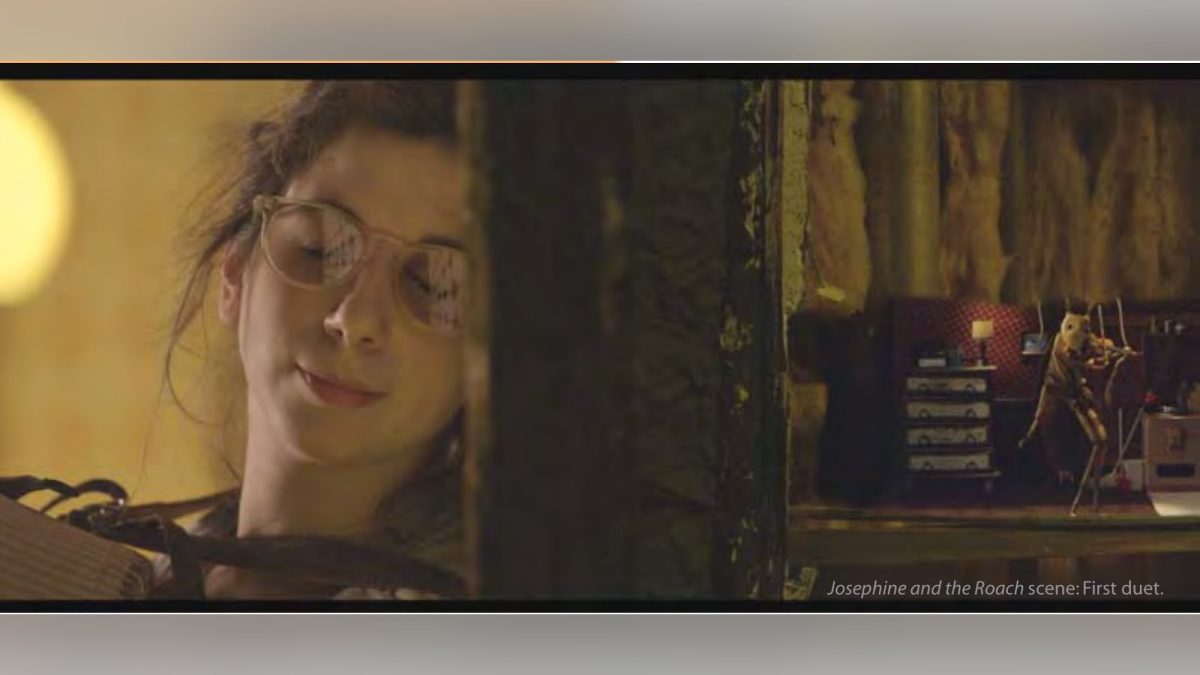
“It would have been wonderful if I had a magazine such as the StudentFilmmakers magazine available to me when I first started dreaming about becoming a cinematographer.”
Andrew Laszlo, ASC
On April 16, 2005, Andrew Laszlo spent the day with filmmakers, students and professionals at the historic St. James Building at 1133 Broadway in New York. The event was simply called A Conversation with Andrew Laszlo, ASC. He told his “war stories,” showed clips from his films, and walked through how particular shots were made, how he solved problems, and what it was like working with directors, producers, crews and stars. A photo Kim Welch took that day later ran in American Cinematographer magazine.
His own path into the profession was harder than almost anyone’s. Laszlo was born in Pápa, Hungary, in 1926. During World War II he was conscripted into forced labor, and his family was deported to Auschwitz. He was the only one who survived. After the war he escaped to a displaced persons camp in Germany and arrived in New York Harbor at 21 with little money and no English. He later wrote that more schooling was out of the question. He was drafted during the Korean War, which he called a turning point. His first job in the American industry was as camera operator on The Phil Silvers Show, and his next was director of photography on Naked City. He went on to shoot films including The Warriors and First Blood.
Laszlo spent many of his later years teaching young cinematographers at workshops and universities, and he told us he wished StudentFilmmakers Magazine had existed when he first dreamed of the job. He died in 2011. The ASC’s student awards now carry his name, and StudentFilmmakers covered winners of the ASC Andrew Laszlo Student Heritage Awards in 2012.
M. David MullenASC
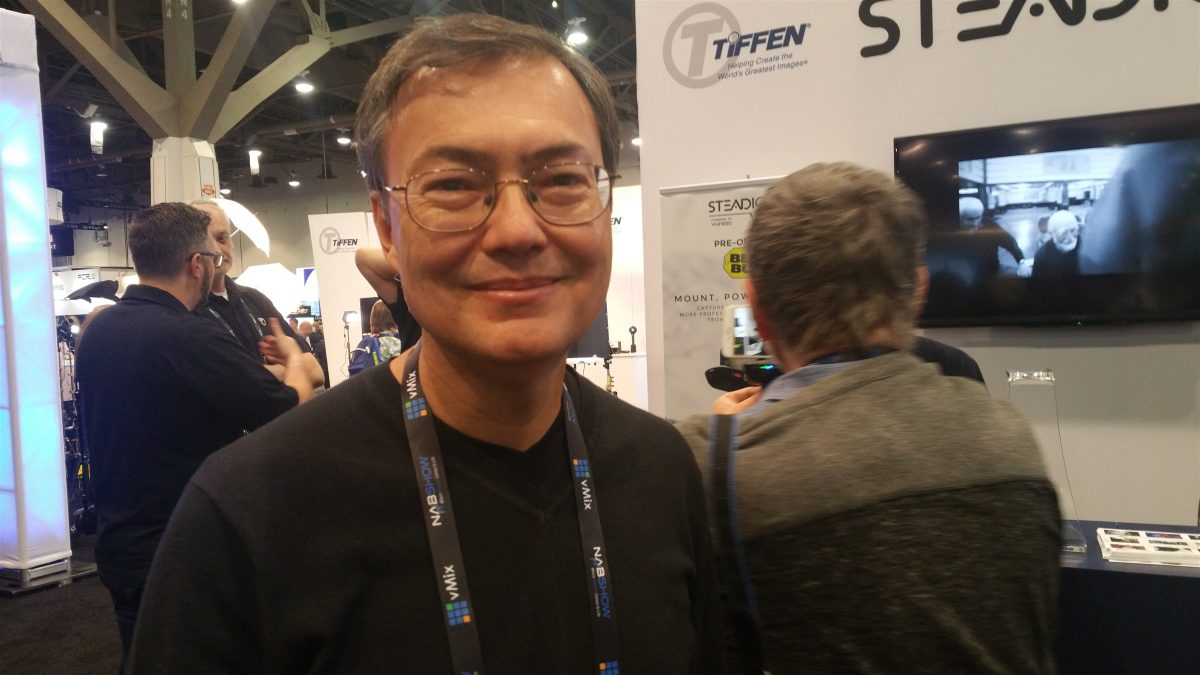
“Maybe I want them balanced because something is happening outside the window that I want the audience to see.”
M. David Mullen, ASC, answering a student lighting question
When the first issue of StudentFilmmakers Magazine came out in April 2006, the editors pointed out that some of its articles were written by members of the online community. One of them was M. David Mullen, ASC. For years he had been answering students’ questions in our forums about film stocks, gels, lighting a dinner table scene, and everything in between. Those answers became an Insights column, and his name appears in more of our magazine issues than almost anyone’s.
Mullen was born in 1962 in Iwakuni, Japan, and describes himself as mostly self-taught. He started making films at around 16 and did not go to film school until he was about 26, when he earned a master’s degree at CalArts. Right after graduating, in 1991, he began shooting independent features. His break came with the Polish brothers’ Twin Falls Idaho, which caught the attention of Robert Primes, ASC, who recommended him for membership. He joined the ASC in 2004, and he later won Emmys for The Marvelous Mrs. Maisel.
His articles on realistic cinematography, camera movement and “cheating” for the camera are still some of the most-read pages on this site.
David Mullen in the Cinematography Forum
Since 2004, cinematographer M. David Mullen, ASC has written more than 750 posts in the StudentFilmmakers forums, answering cinematography questions from student filmmakers and new cinematographers. These are some of his most-read cinematography threads:
- Favorite Movies for Cinematography (28,700 views)
- Coverage: the "Woody Allen" single-shot master (22,600 views)
- Reversal stock (22,400 views)
- Moving camera vs. static camera (19,500 views)
- Cinema studies vs. film production (16,100 views)
- Single perf, double perf: what does it all mean? (15,200 views)
- Basic lighting help (14,700 views)
- Composing for cutting (14,400 views)
- Discussions on Cinematography with M. David Mullen, ASC
- M. David Mullen, ASC Student Filmmakers Lighting Interview
- M. David Mullen, ASC’s Notes on Camera Movement
- “There Is No Such Thing As Video Lighting” by M. David Mullen, ASC
- “What is Realistic Cinematography?” by M. David Mullen, ASC
- Lighting Realistically: Day and Night Interiors in The Astronaut Farmer
- Shooting Solstice: A Supernatural Drama in the Louisiana Bayous
- When Cheating is Good by M. David Mullen, ASC
Roy H. WagnerASC
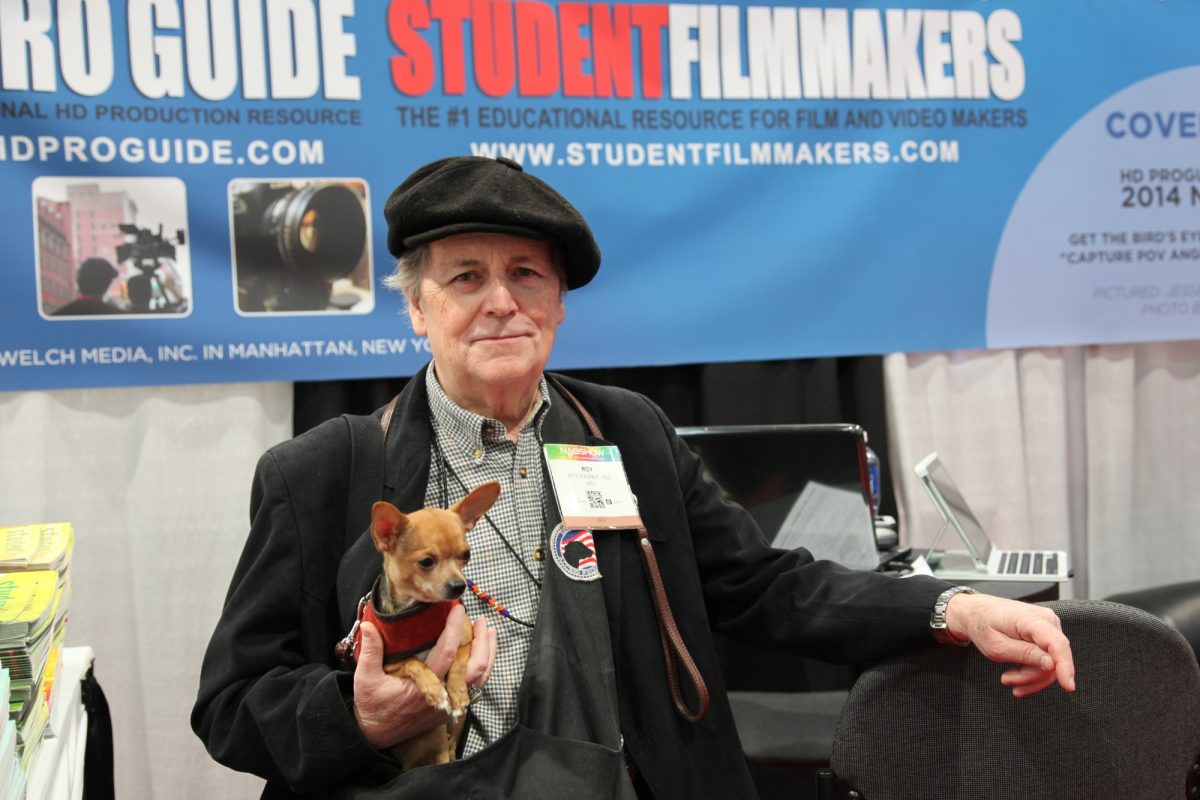
“Such seminars give me the inspiration to continue my quest to become a significant cinematographer.”
A StudentFilmmakers seminar attendee, on learning from Roy H. Wagner, ASC
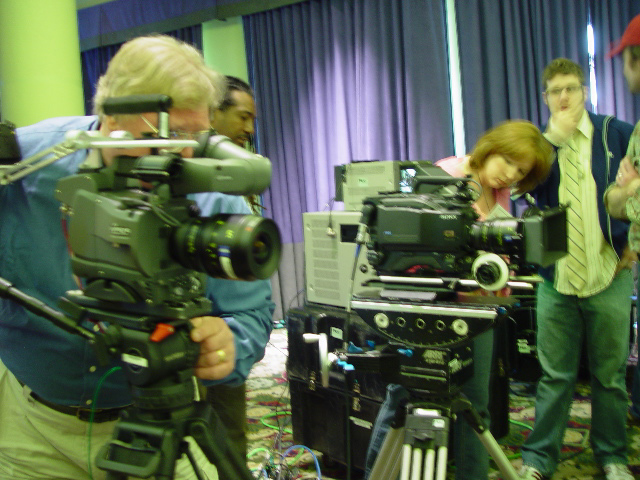
Roy H. Wagner was there at the very beginning. On September 25, 2004, he led StudentFilmmakers.com’s full-day Cinematography’s Digital Revolution Workshop in Burbank, an intensive day for cinematographers who wanted to understand the new wave of digital cameras. It went well enough that he brought it east. On March 26, 2005, he taught Cinematography’s Digital Revolution East at the Hotel Pennsylvania in New York.
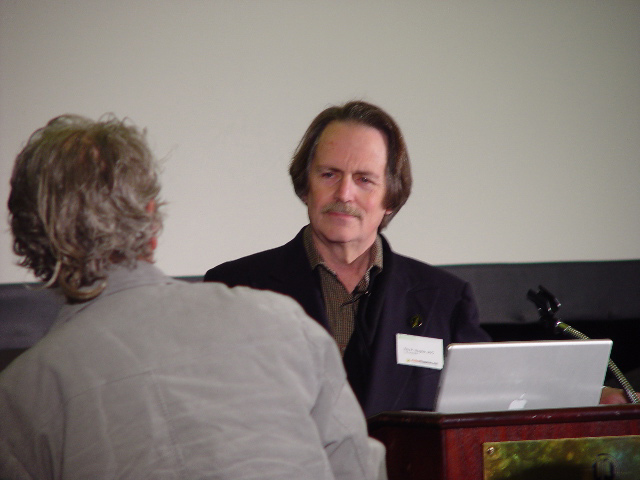
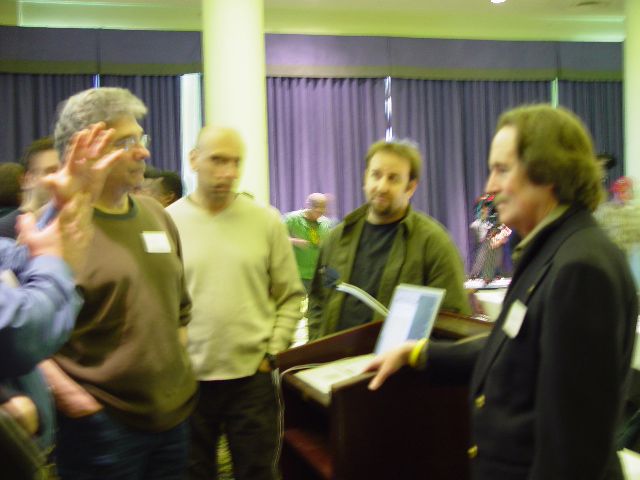
Wagner was born in 1947 in a very small Midwestern community, a long way from Hollywood. His biography notes that growing up, he had little exposure to filmmaking beyond the local movie theater. He made it anyway, learning from many of Hollywood’s master cinematographers and building a career that runs from A Nightmare on Elm Street 3 and the Beauty and the Beast series to Quantum Leap and CSI. He won the ASC Award for the miniseries Drug Wars, and Kodak named him one of its top 100 directors of photography. He tells the whole story in his 2024 memoir, A Cinematographer’s Life Beyond the Shadows.
Almost twenty years after that first workshop, he came back. In 2022 he joined our Community Spotlight, taught a free live webinar on horror filmmaking and a still photography webinar, and helped judge our Winter Photo Contest. His horror cinematography class is now an on-demand course.
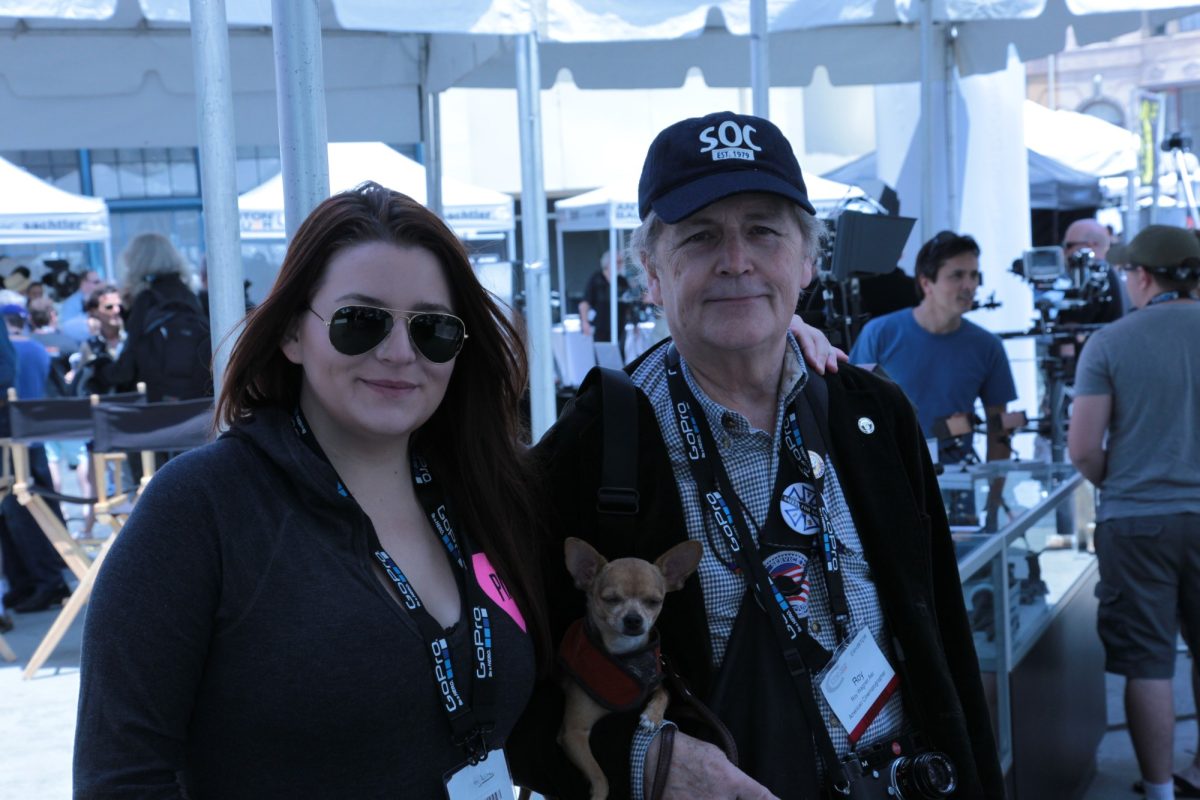
Thomas AckermanASC
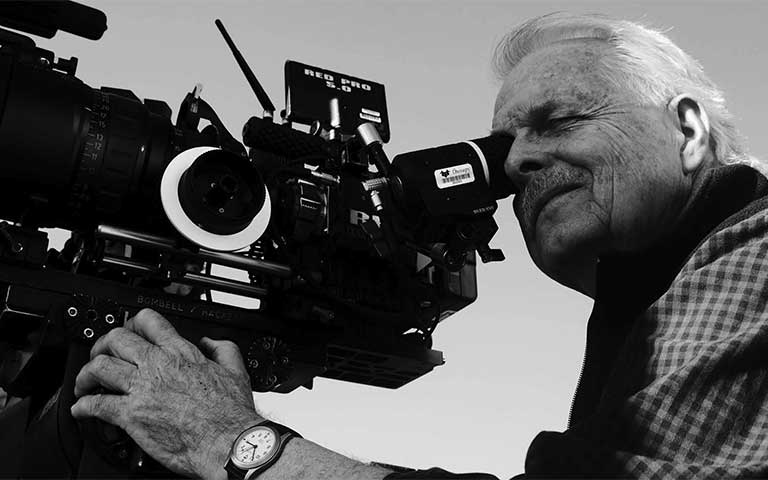
“With that beautiful HD monitor in front of you, there's no waiting for dailies.”
Thomas Ackerman, ASC, in StudentFilmmakers Magazine, 2007
The February 2007 issue carried an exclusive interview with Thomas Ackerman, ASC. He became a regular voice in the magazine after that, writing for students about exposure, camera operating and teaching.
Ackerman grew up in Iowa, went to the movies, and eventually made it into them by a roundabout route. After college and service as a captain in the Air Force, he was hired as an assistant production manager by the documentary filmmaker Charles Guggenheim, whom he called a great mentor. The job meant packing equipment cases in a basement, making coffee runs and projecting dailies. He went on to shoot Beetlejuice, Jumanji and National Lampoon’s Christmas Vacation.
In the 2019 Volume 14, Number 1 issue he wrote about his observations from ten years of teaching cinematography, a piece that sums up why so many ASC members come back to the classroom.
Rodrigo PrietoASC, AMC
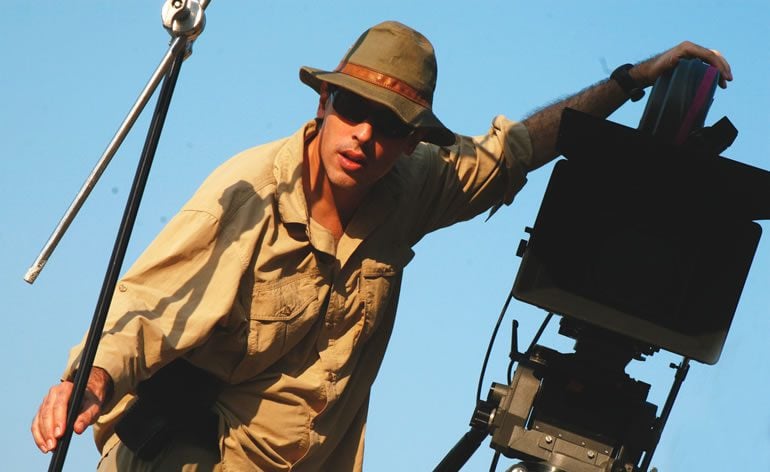
“I find that it helps me grow when I get involved with someone else's point of view.”
Rodrigo Prieto, ASC, AMC
In the October 2007 issue, Jacqueline B. Frost met Rodrigo Prieto in Brentwood to talk about Ang Lee’s Lust, Caution, which had just won him the cinematography prize at the Venice Film Festival. He talked about his collaborations with Ang Lee, Alejandro González Iñárritu and Spike Lee, and why every new prep period feels like going back to film school.
Prieto trained at the Centro de Capacitación Cinematográfica in Mexico City, focusing on cinematography. He started out as a still photographer and then shot commercials. Amores Perros, in 2000, introduced him to the world, and Brokeback Mountain earned him an Academy Award nomination. His later work includes The Irishman and Barbie.
Richard CrudoASC
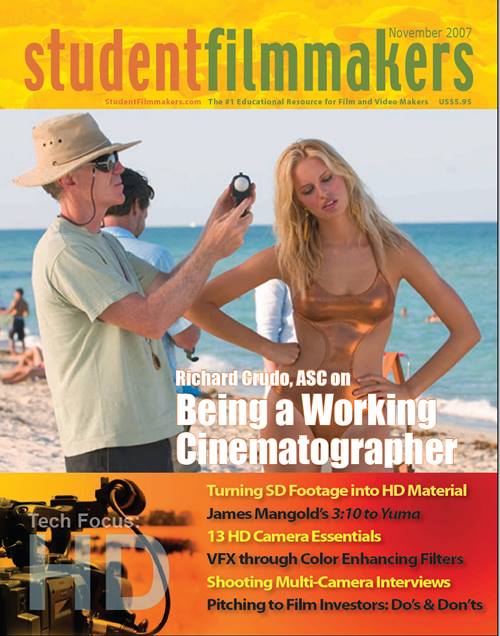
“It's never been easier to learn about cinematography than it is now.”
Richard Crudo, ASC
Richard Crudo was the cover story of the November 2007 issue, talking frankly about what it means to be a working cinematographer. It is still one of our most practical interviews.
Crudo learned the craft on set. He began as an assistant cameraman in New York, working with two of the greatest cinematographers of the era, Gordon Willis and Michael Chapman. He worked as a Steadicam operator on Spike Lee’s Jungle Fever and as camera operator on Donnie Darko, and was a full-time operator for a while before he became a cinematographer. His credits include American Pie.
Daniel PearlASC

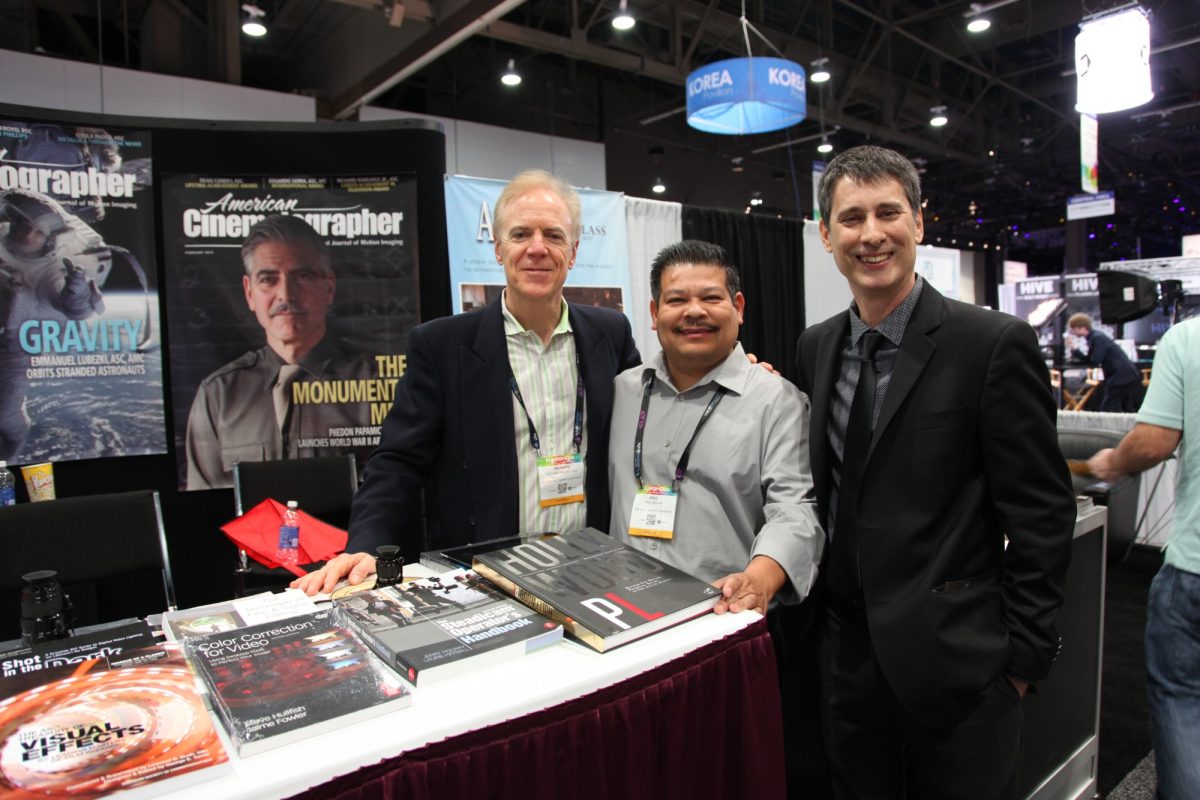
“I describe cinematography as one of the most technical of all arts.”
Daniel Pearl, ASC
Daniel Pearl closed out 2007 on the cover of the December issue, in an interview titled Lights, Guts, and Glory. Pearl shot the original Texas Chain Saw Massacre when he was still very young, and the film scared the entire world.
He told us he grew up around images and machines. His aunt was a photographer, his mother was a painter, and his father was a mechanical engineer. As a kid he jammed a box camera into the dirt to photograph his toy soldiers and trucks. He bought an 8mm camera for about $60 from an ad on the back page of the New York Daily News. In 1968, as a freshman at the University of Texas, he discovered Fellini, Bergman, Kurosawa and Dreyer at screenings run by antiwar groups to raise money. He went on to earn a master’s degree, and before long he was behind the camera on the film that made his name.