

3D and Digital Shift
2010–20157 min readFrom 2010 to 2015, cinematography changed fast: digital cinema cameras replaced film on most sets, 3D came and went, and a new generation of cinematographers learned the craft online. StudentFilmmakers kept cinematographers in the room with students through workshops and interviews. The cinematographers in this part are Jack Green, ASC, cinematographer of Unforgiven; Rexford Metz, ASC; Yuri Neyman, ASC, cinematographer of Liquid Sky; Bruce Logan, ASC; Anna Foerster, ASC; Stephen Goldblatt, ASC, BSC, cinematographer of The Help; Andrew Lesnie, ACS, ASC, cinematographer of The Lord of the Rings; Larry Fong, ASC, cinematographer of 300; Eric Steelberg, ASC, cinematographer of Juno; Theo van de Sande, ASC, cinematographer of Blade; Dariusz Wolski, ASC, cinematographer of Pirates of the Caribbean; Bing Rao, cinematographer of Suffocation; Paul Wheeler, BSC; and William Klayer, director of photography on Law & Order. Their stories show how working cinematographers adapted, and what every new cinematographer can learn from them about cinematography today.
In the early 2010s, the industry went through its biggest change in a century. RED cameras, DSLRs and 3D rigs arrived on sets and in classrooms at the same time. StudentFilmmakers ran hands-on workshops on all of them, the magazine moved to a volume-and-number schedule, and working cinematographers helped students make sense of it.
Jack GreenASC
“I hadn't thought of that as a way of learning about the potential of cinematography.”
Jack Green, ASC, on studying art books
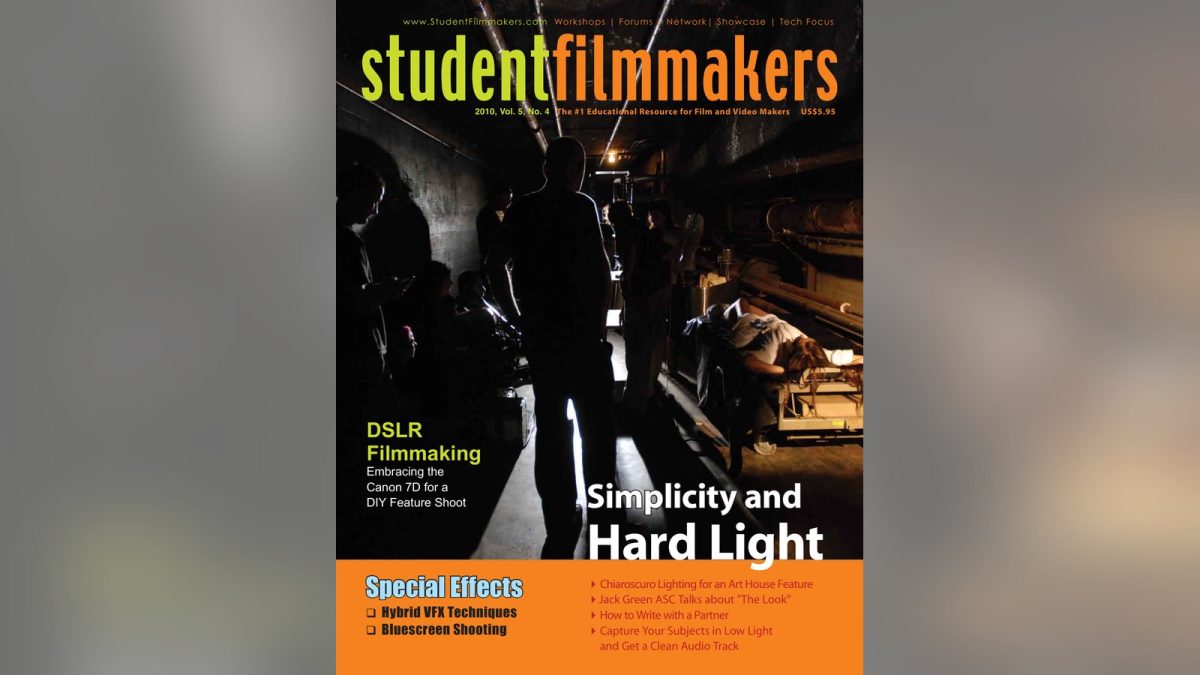
Ira Tiffen sat down with Jack Green, ASC, in July 2005, right after Green had finished Serenity and The 40-Year-Old Virgin. Their conversation about how a cinematographer creates the look of a film ran in our magazine Volume 5, Number 4, in 2010.
Green grew up in San Francisco and studied trumpet, because he loved music and thought that was what he would do with his life. It did not turn out that way. He told Tiffen that studying art from the point of view of his “soon-to-be craft” taught him an enormous amount. His first credit as cinematographer was Heartbreak Ridge in 1986, the start of a long run of films with Clint Eastwood. He was nominated for an Academy Award for Unforgiven and received the American Society of Cinematographers Lifetime Achievement Award in 2009.
Rexford MetzASC
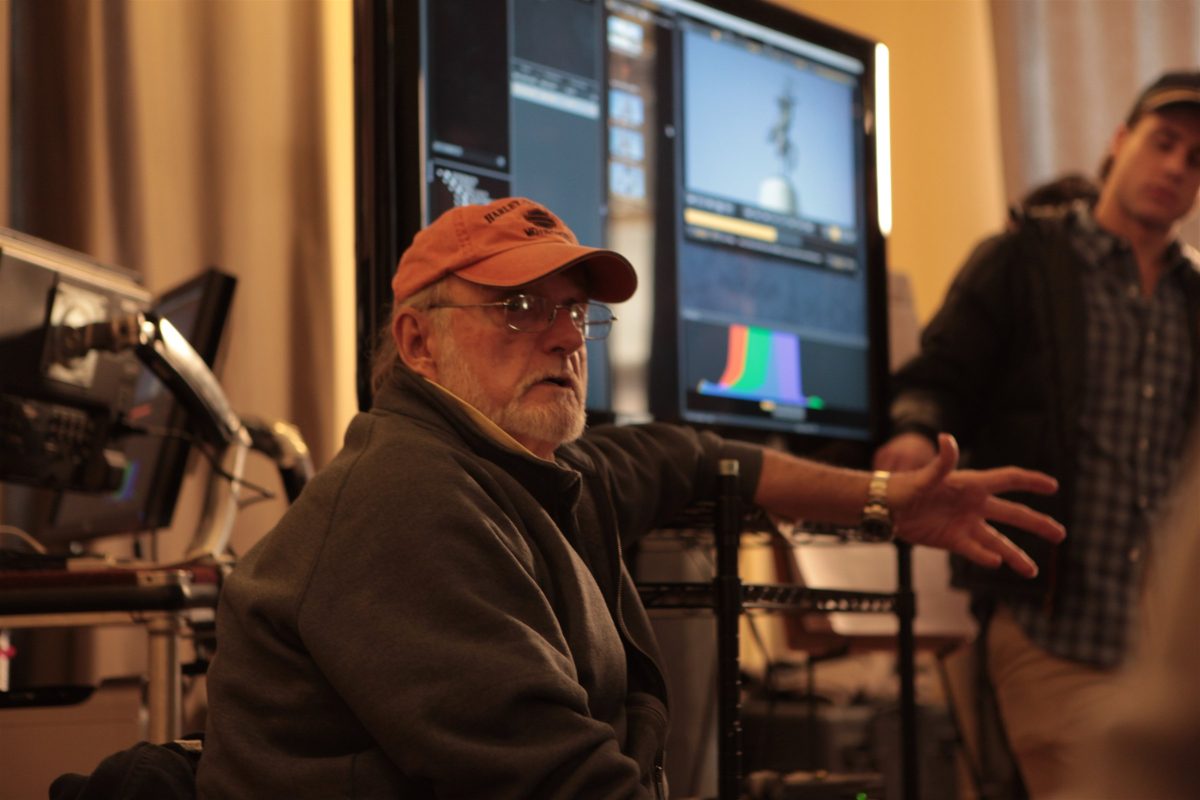
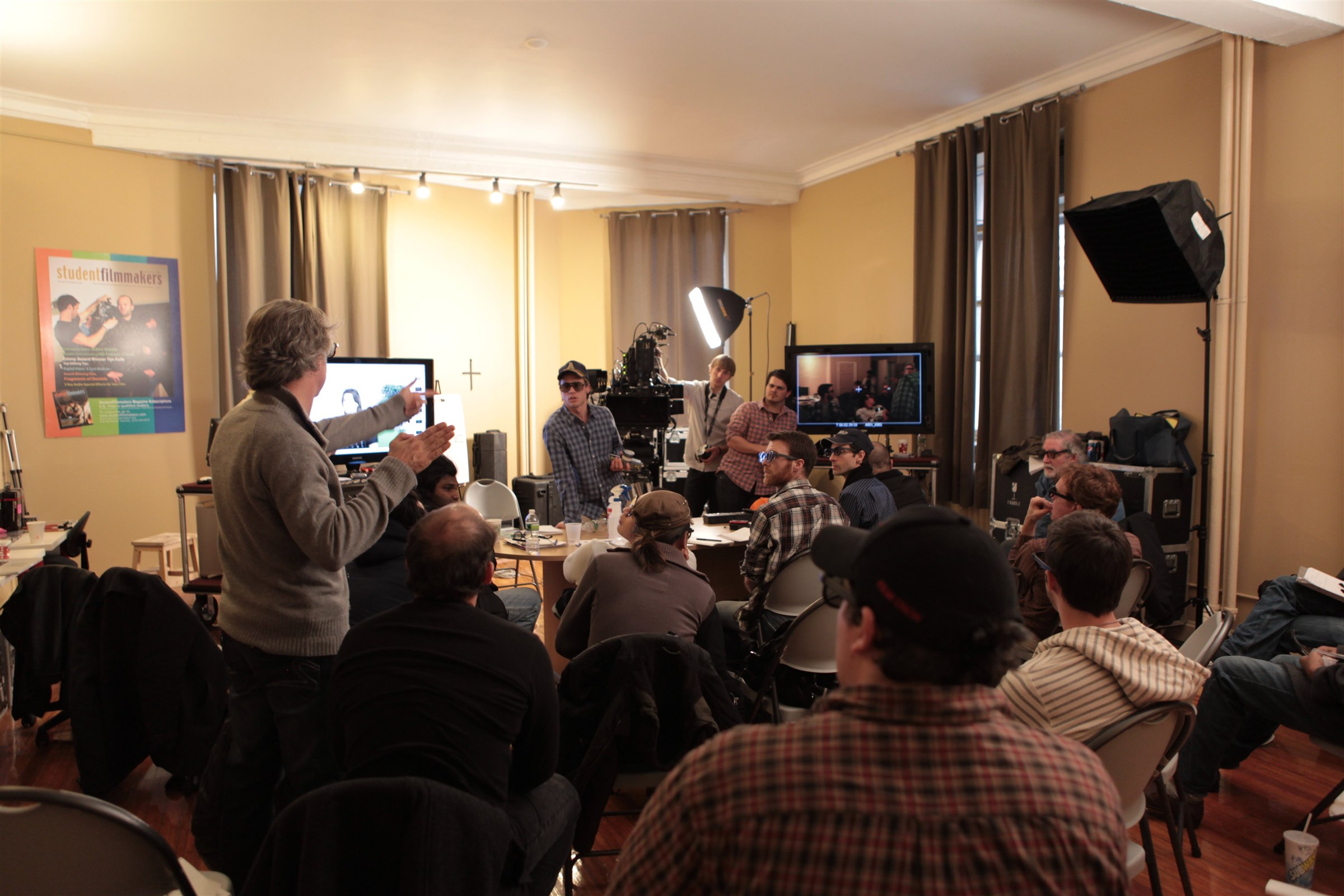
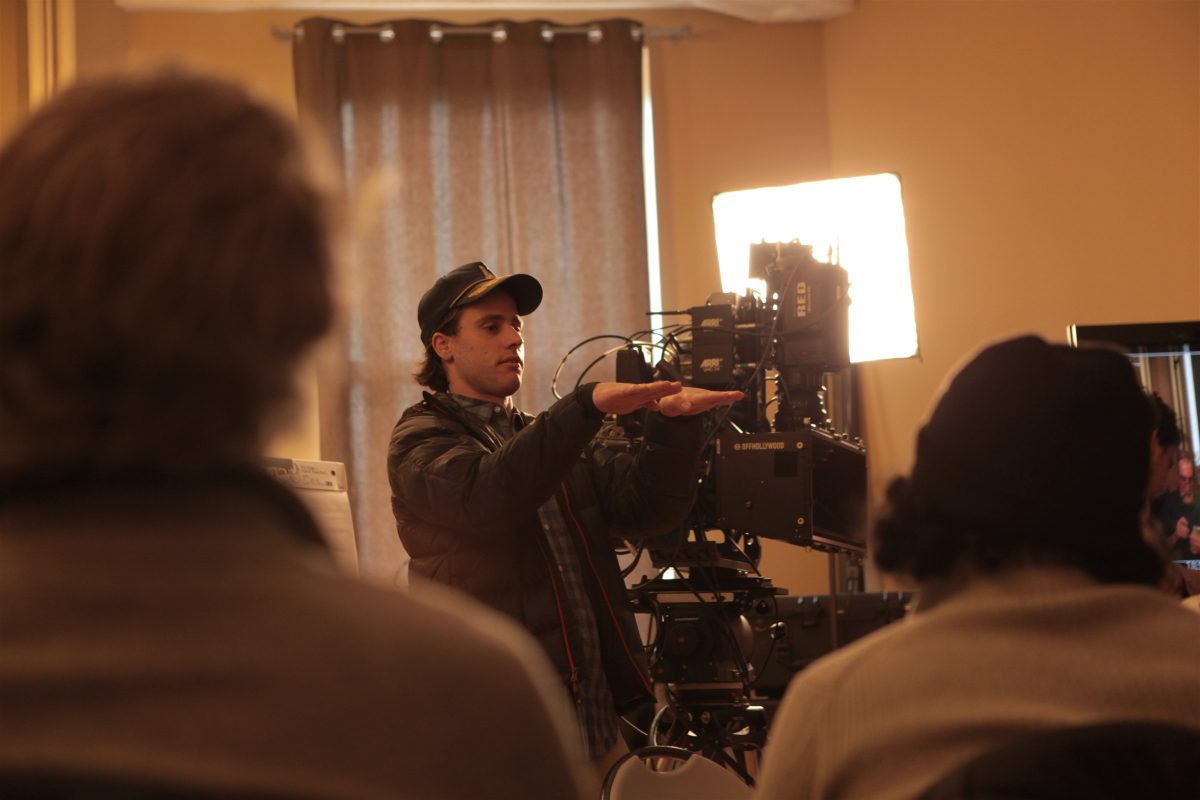
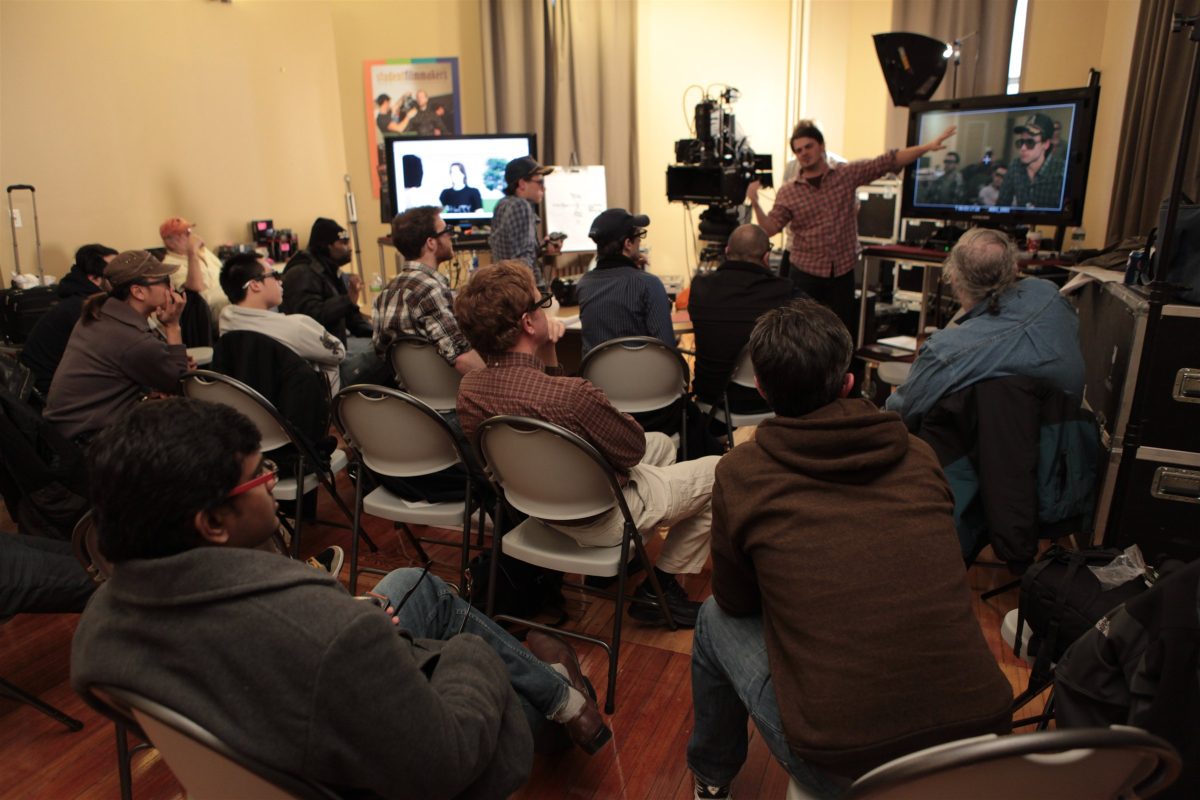
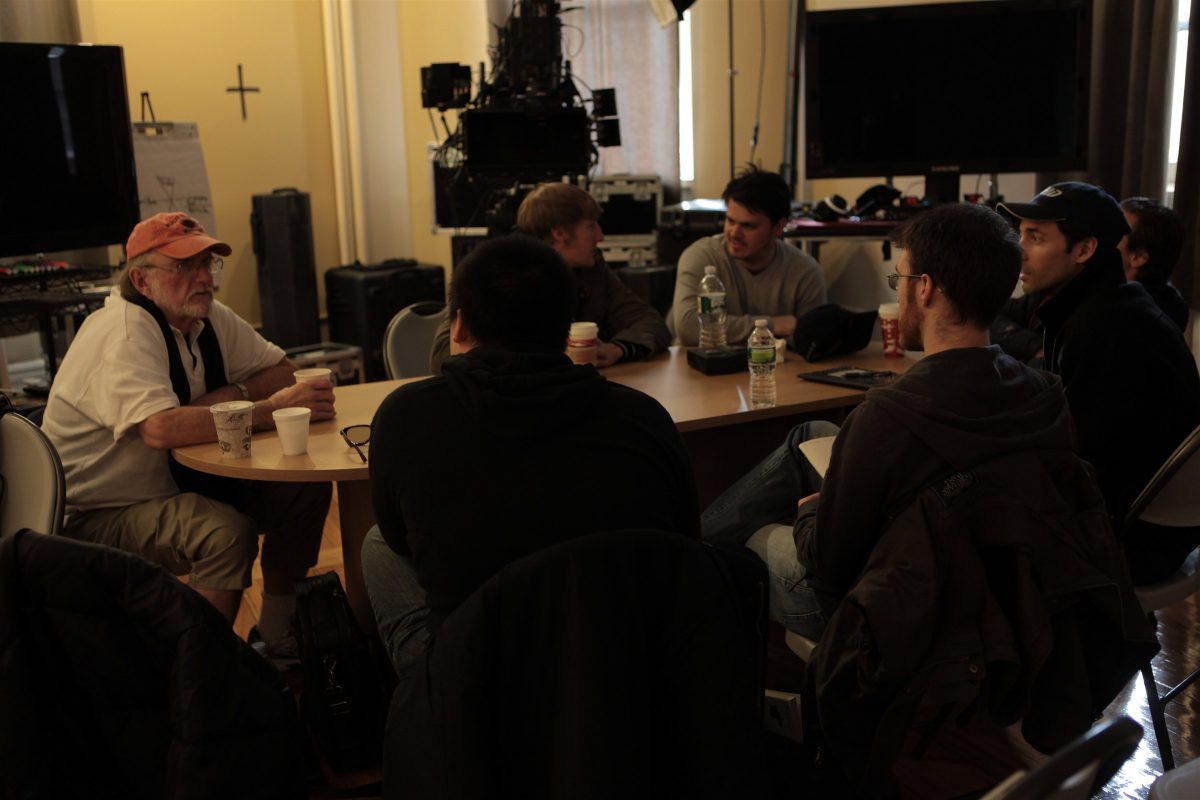
When 3D arrived, Rexford Metz, ASC, helped our students get their hands on it. On December 4 and 5, 2010, he led a two-day 3D RED cinematography workshop at the StudentFilmmakers studio at 1123 Broadway, working with two RED cameras, an Element Technica Quasar 3D rig, stereo controls and an on-set DIT.
Yuri NeymanASC
“The light is the main tool of the cinematographer.”
Yuri Neyman, ASC, 2012
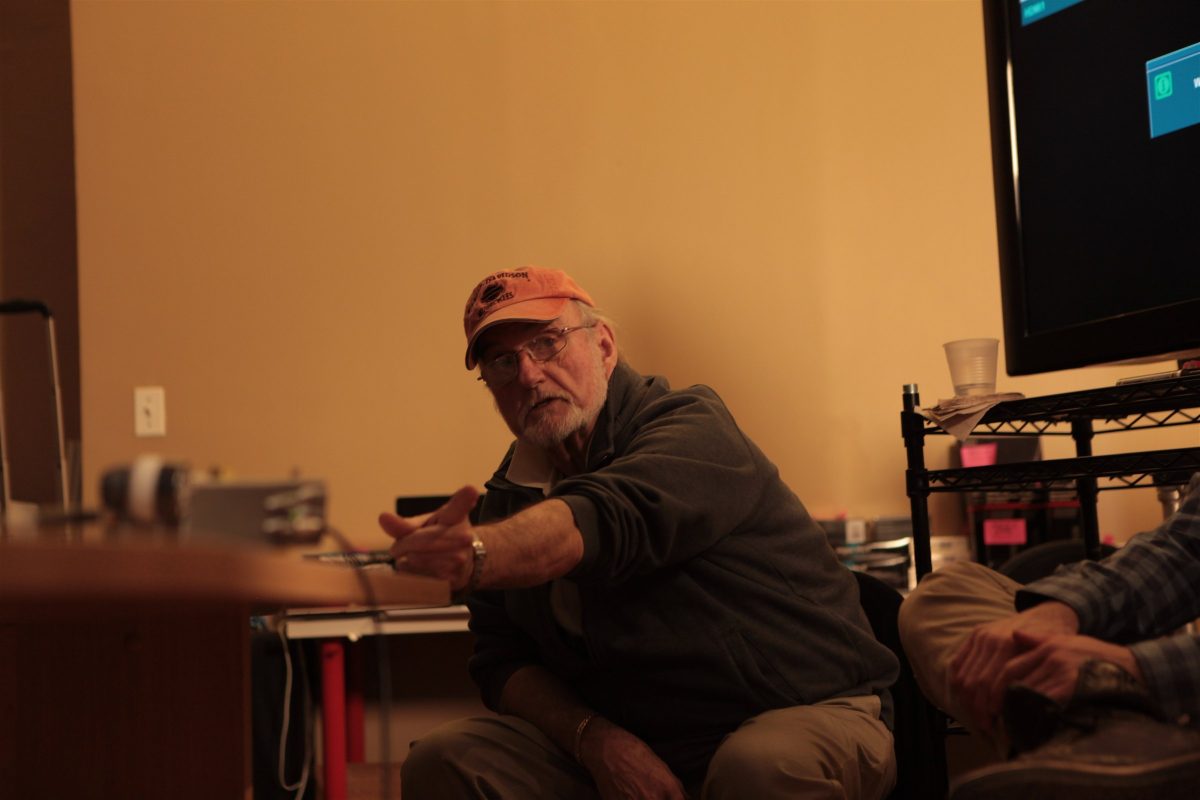
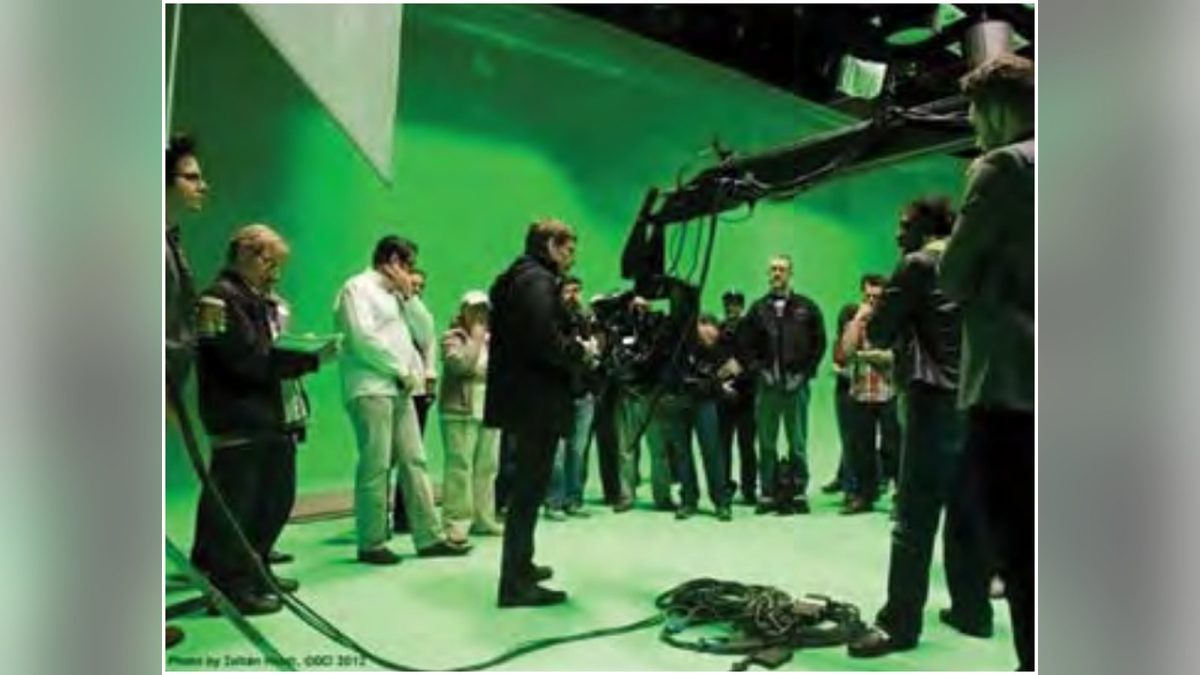
In 2012, our magazine followed the launch of the Global Cinematography Institute, founded by Vilmos Zsigmond, ASC, and Yuri Neyman, ASC, to teach what they called “expanded cinematography” to experienced and emerging cinematographers. In Volume 7, Number 5, Neyman told us about the institute’s new courses and philosophy and shared lighting tips of his own.
Bruce LoganASC

“It might be arrogant but I don't really want to be hired because I have free equipment.”
Bruce Logan, ASC
Bruce Logan, ASC, showed up in our pages as a tester and a teacher. In February 2012, at Tribeca Flashpoint Academy in Chicago, he administered a large camera shootout in which cinematographers ran identical shots on a long list of cameras, and Volume 7, Number 3 covered it. He also wrote for us about how a cinematographer should choose a camera, starting from the premise that most cameras today are more than good enough.
Anna FoersterASC
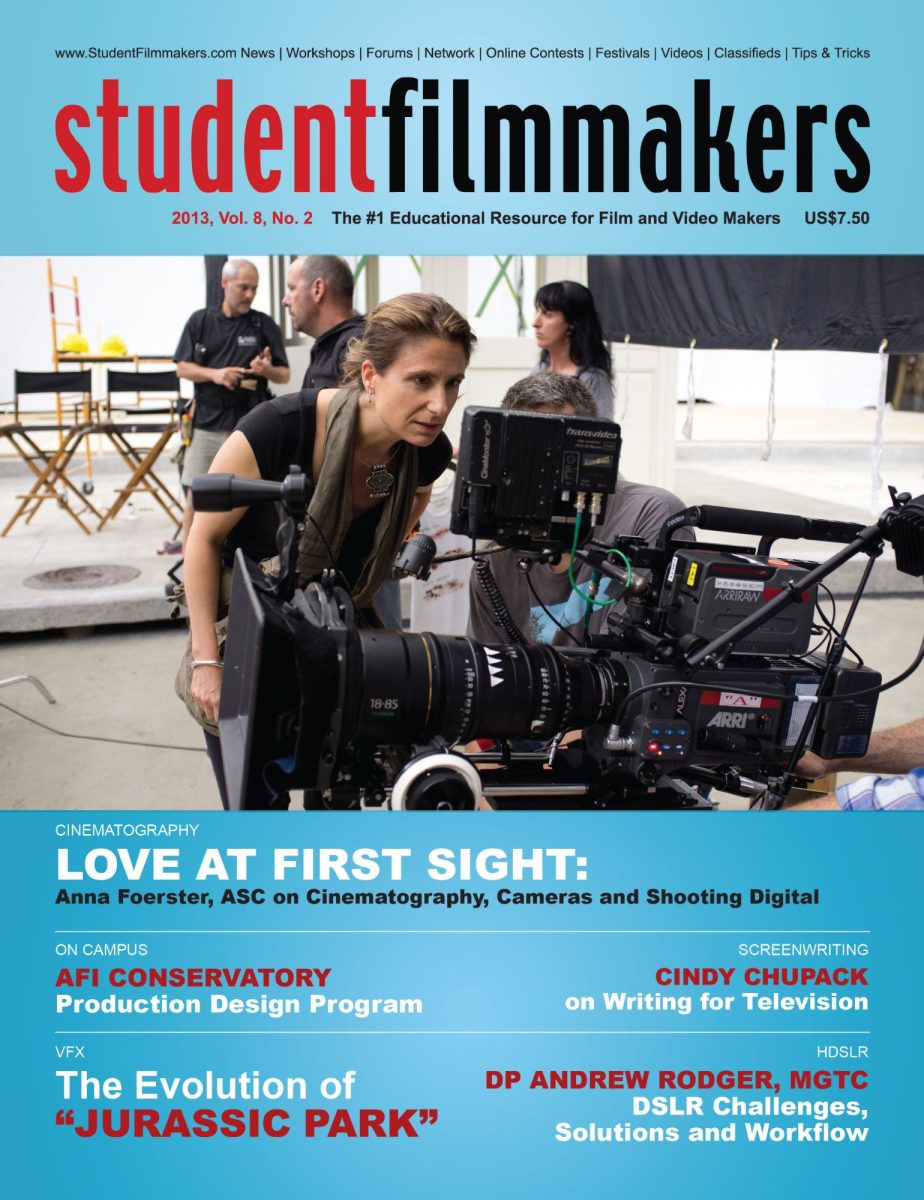
“So I told my parents that I wanted to quit school and become an AC.”
Anna Foerster, ASC
Anna Foerster, ASC, talked with us about cinematography, cameras and shooting digital in the 2013 Back-to-School/IBC issue. She told us how it started. She grew up in an old house with a big garden in Germany, and when she was 15 or 16, a family friend who used to babysit her shot his student film there. Soon she was working as a clapper loader on student films, with “sick notes” written for her so she could skip school. She went on to shoot features and series and to direct, including Underworld: Blood Wars and Dune: Prophecy.
Stephen GoldblattASC, BSC
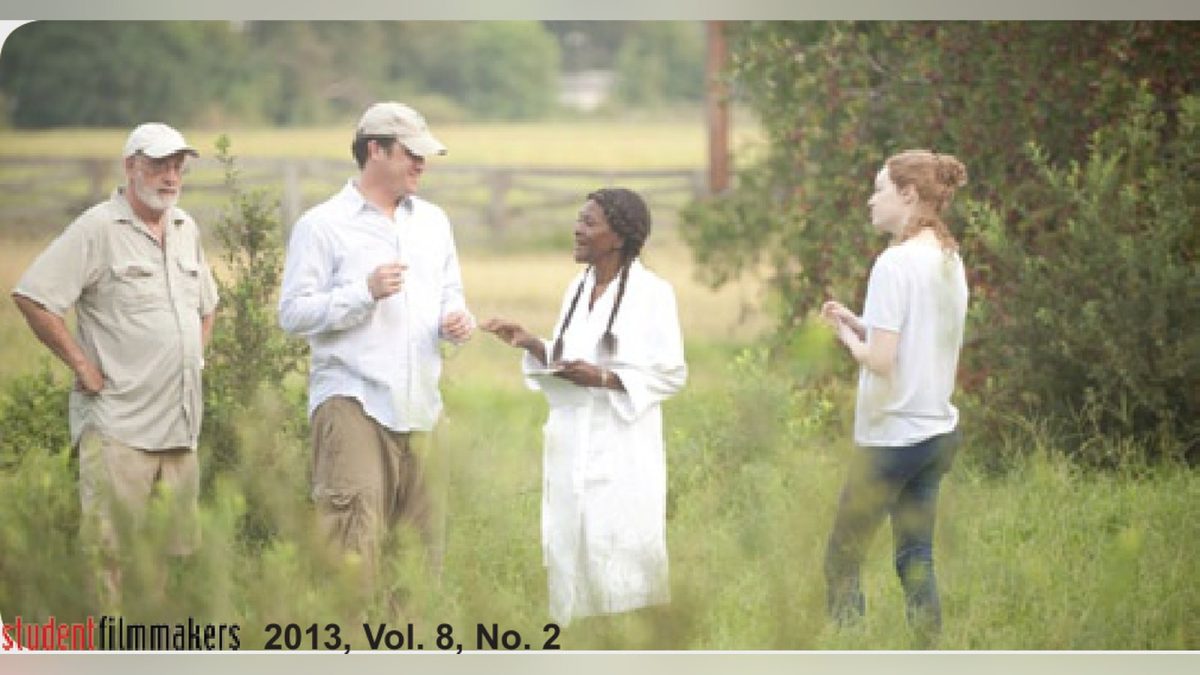
“Film school doesn't equip you for anything.”
Stephen Goldblatt, ASC, BSC
The same 2013 issue carried a conversation with Stephen Goldblatt, ASC, BSC, about the camera as an invisible character. He told us he decided to go to film school and went to London’s Royal College of Art in the 1960s. Ridley Scott had just graduated, Tony Scott was his good friend at the school, and Elton John played in the student bar on Friday nights.
Goldblatt joked that film school does not equip you for anything. A fellow student took him to shoot a documentary in the Brazilian jungle. Tony Scott and he later talked themselves into making The Hunger in 1983, and on the strength of it Francis Ford Coppola offered him The Cotton Club. His later work includes The Help.
Andrew LesnieACS, ASC
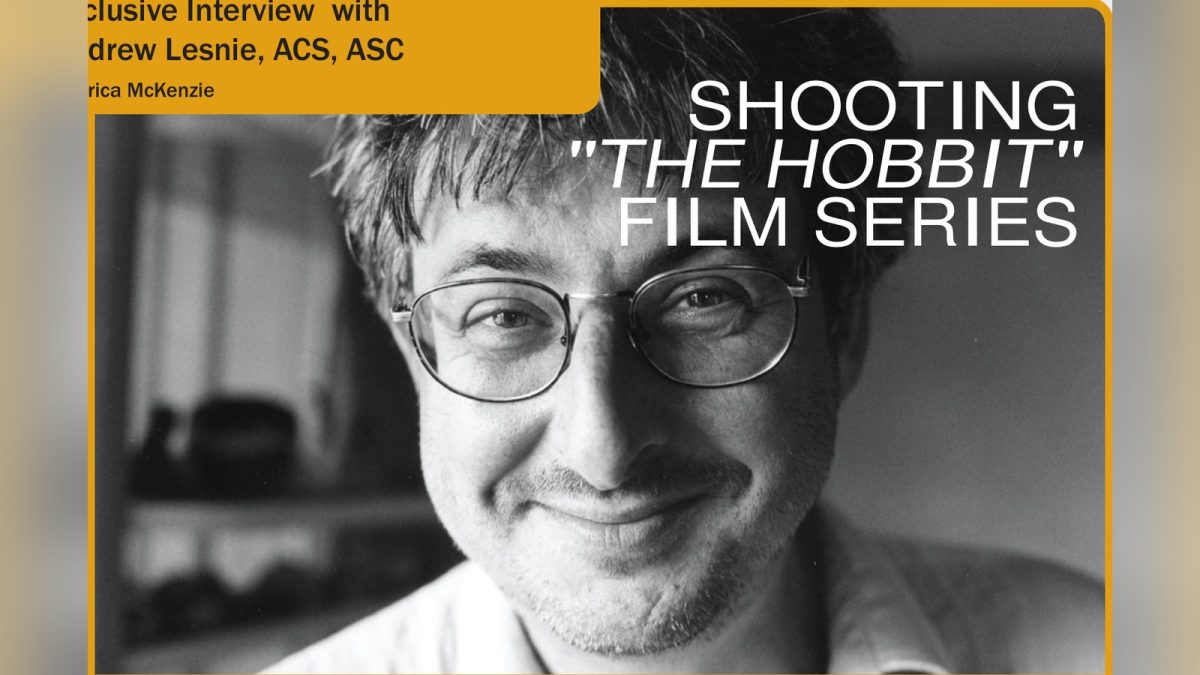
“Script and performance inform every technical decision you will make on a project.”
Andrew Lesnie, ACS, ASC
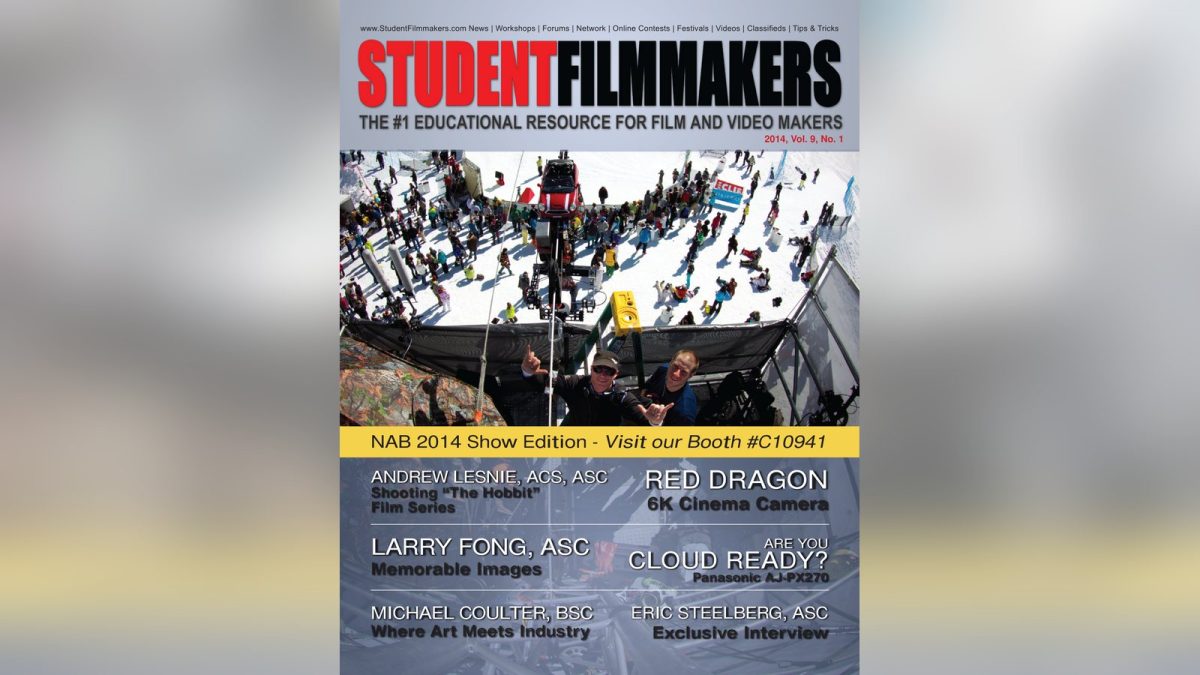
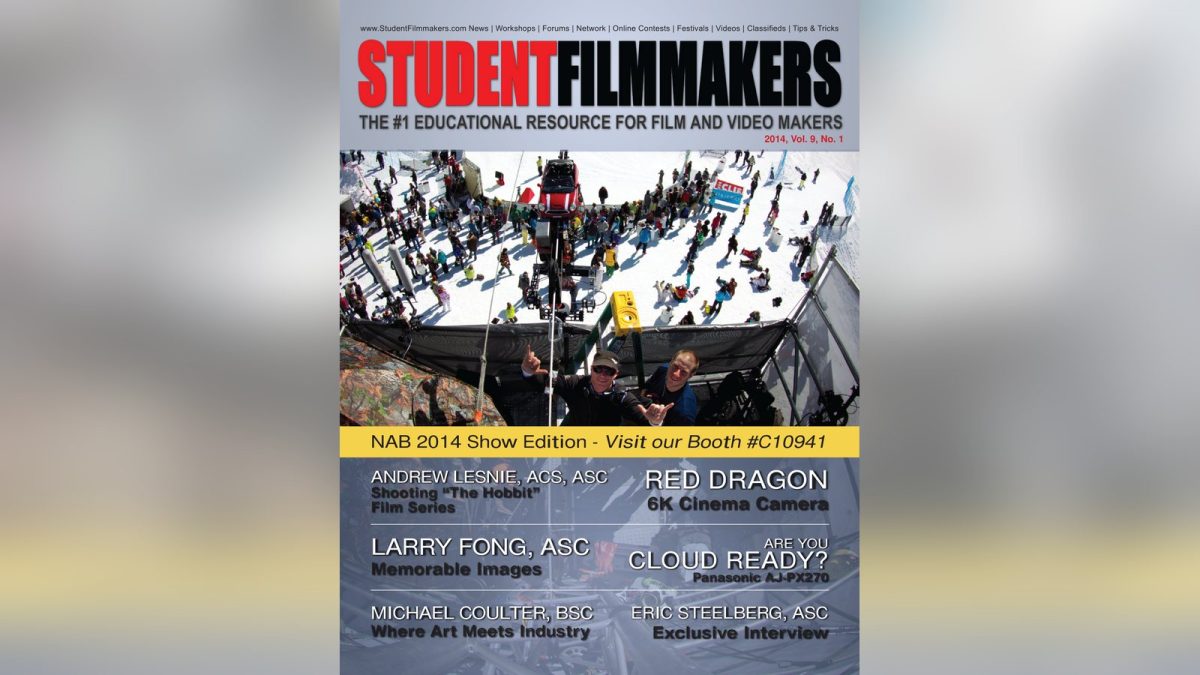
The 2014 NAB issue led with Andrew Lesnie, ACS, ASC, on shooting The Hobbit films in 3D at 48 frames per second. He explained the tests he ran in 2010 and why the production settled on 48fps with a 270-degree shutter.
Lesnie studied at the Australian Film, Television and Radio School. He worked as a camera assistant and shot student films, shorts and music videos, then moved into current affairs, news and documentaries, training he said he still valued. He did second unit work before becoming a feature director of photography. He won the Academy Award for The Lord of the Rings: The Fellowship of the Ring. He died in 2015.
Larry FongASC
“It was a crazy dream to one day work in the film business and I couldn't be happier that it's actually happened.”
Larry Fong, ASC
In the same 2014 issue, Larry Fong, ASC, talked with us about creating memorable images. He told us that in film school they did not have the fanciest equipment, but he still made work he is proud of, a reminder for every student with a borrowed camera. He walked through scenes from Super 8, including the shot where we first meet Elle Fanning’s character.
Eric SteelbergASC
“Film school seemed like the next logical step, but I applied to all of them and didn't get in to any.”
Eric Steelberg, ASC
Eric Steelberg, ASC, who shot Juno and Up in the Air, gave us one of the most encouraging breaking-in stories we have ever printed. In high school, he and a couple of friends started a film production class, and parents donated boxes of Super 8 cameras, projectors and editors, then a 16mm Eclair NPR, a Moviola and a Nagra. He became the cameraman on every school film.
Then he applied to every film school he could and did not get into any of them. He went to a community college to take advanced still photography and shot short films and micro-budget features on weekends, and decided film school would not move him any faster than he was already moving. Through Carl Erik Rinsch, a friend he grew up shooting shorts with, he met Jason Reitman. The rest, as he put it, is history.
Theo van de SandeASC

“You treat the 4K slot as if it were the digital negative - you don't touch that data.”
Theo van de Sande, ASC
In 2015 Theo van de Sande, ASC, told us about shooting two pilots on Panasonic’s new VariCam 35. He is a graduate of the Dutch Film Academy and won the Golden Calf, the top Dutch film award, for cinematography in 1982 and 1987. The Assault, his last film in the Netherlands, was the first Dutch film to win the Academy Award for Best Foreign Language Film, and his first American film was Miracle Mile.
Dariusz WolskiASC

“I was afraid to use longer lenses at first, but when you deal with big landscapes, they actually work pretty well.”
Dariusz Wolski, ASC
Dariusz Wolski, ASC, was quoted in the magazine as early as August 2006, when he told an audience how he and his crew used natural light on Pirates of the Caribbean: Dead Man’s Chest. In 2015 we published Jon Fauer’s interview with him.
Wolski went to film school in Łódź, Poland. He moved to New York, worked as a camera assistant, and then moved to Los Angeles, where he started in music videos and commercials before features. His work includes the Pirates of the Caribbean films and The Martian.
Bing Rao
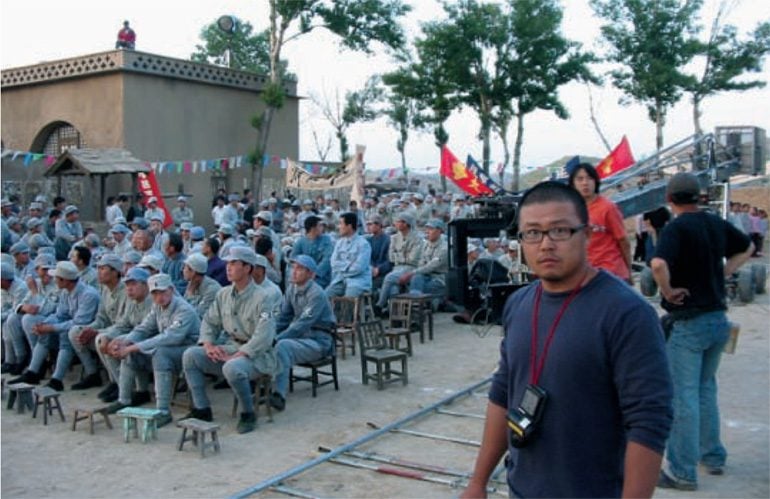
“I couldn't get into NYU because my English was so bad.”
Bing Rao
Bing Rao is a New York-based Chinese cinematographer whose career began in Beijing in 1989. He earned a BFA at the Beijing Film Academy, moved to the United States in 1994, and, once his English caught up, completed the MFA program at New York University in 2002, where he also taught as an adjunct instructor.
His credits include work with the China Film Group, and his cinematography on the 2003 Chinese film Suffocation won him wide notice. In his our magazine interview with Larry Jaffee, he described how China’s film industry transformed, economically and technologically, and what it takes for a director of photography to work in two very different film cultures.
Paul WheelerBSC

“I found it exhilarating, more like painting where you load your brush and make a mark immediately.”
Paul Wheeler, BSC, on shooting high definition
Paul Wheeler, BSC is a British cinematographer and teacher who embraced high-definition cinematography early. In our magazine he explained the two changes that transformed digital cinematography: solid-state storage replacing tape, and large single sensors replacing three-chip cameras, which let cinematographers use real motion picture lenses.
The biggest lesson, he said, was learning to trust his eyes and the monitor. Without exposure meters and next-morning lab reports, the cinematographer was lighting and composing in real time. Some directors of photography found that hard; Paul found it freeing, and his words capture the artistry of cinematography in the digital age.
William Klayer
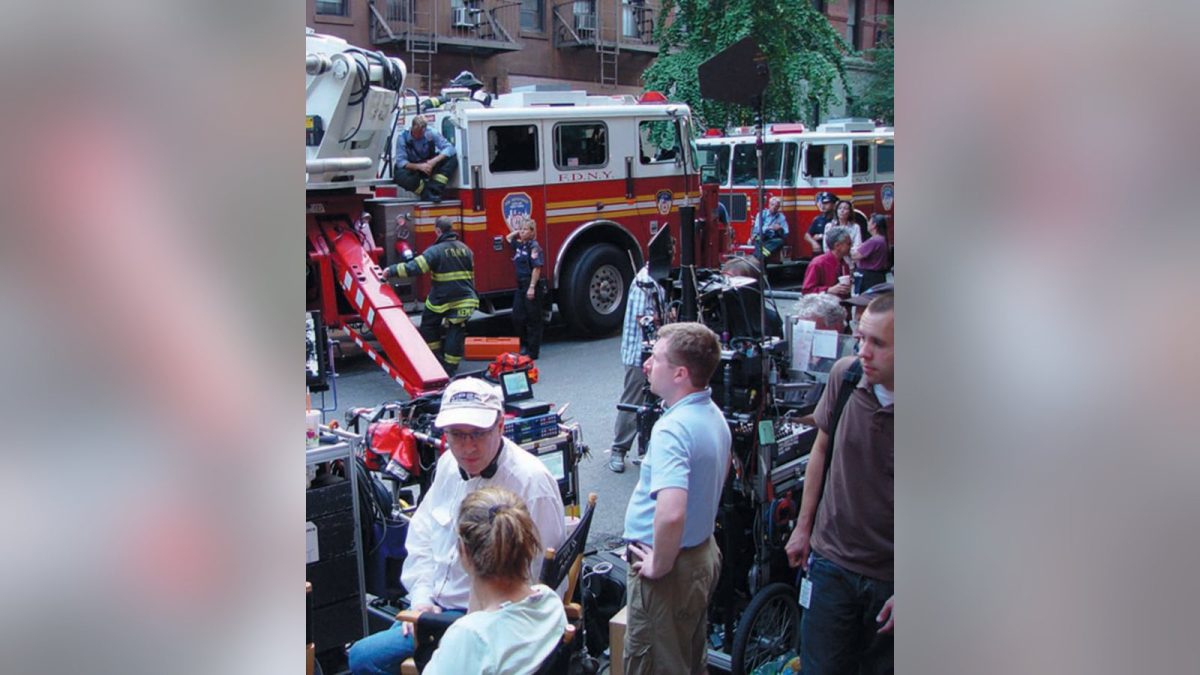
William “Bill” Klayer spent almost twenty years on Law & Order, the Emmy-winning drama that gave New York City one of the most recognizable looks on television. He joined the show in its second season and worked his way up from gaffer to director of photography, shooting about 90 episodes as cinematographer and directing two. In all he worked on more than 200 episodes.
His road there will sound familiar to every film student. He earned a film production degree from Emerson College in 1977, tried Los Angeles, then joined college friends making a feature on the East Coast; when the budget grew and a professional cinematographer was hired, he happily took a crew job and kept learning. Kim Welch interviewed him on the Law & Order set during “Home Sweet,” the episode that brought a building down on camera. He went on to shoot his first feature as director of photography, That’s What She Said, with Anne Heche and Alia Shawkat, which premiered at Sundance.
Bill has taught with StudentFilmmakers more than once. In 2010 he led our “Shooting Episodic TV” workshop, a continuing education cinematography seminar, and in January 2025 he joined us for a Live AMA webinar, “Behind the Scenes with William Klayer,” answering students’ questions about cinematography, directing and collaboration.
Keep reading about digital and 3D cinematography: what is digital cinema?, digital cinematography: shoot cinematically, regardless of format, film versus digital, on-set convergence for 3D cinematography and a cinematographer’s tales from the 3D road.