
The Magazine Years
2008–20099 min readThe Magazine Years were when our magazine became a place where cinematographers talked about the artistry of cinematography in depth: cover interviews, how-to articles and hands-on cinematography workshops. The cinematographers and directors of photography in this part are Matthew Libatique, ASC, cinematographer of Black Swan; Anastas Michos, ASC, GSC, cinematographer of Freaky Friday; John Seale, ASC, ACS, cinematographer of The English Patient; Daryn Okada, ASC, cinematographer of Mean Girls; Ron Dexter, ASC; Roger Deakins, ASC, BSC, cinematographer of 1917; Steven Poster, ASC, cinematographer of Donnie Darko; John Bailey, ASC, cinematographer of Groundhog Day; Peter Stein, ASC, cinematographer of Pet Sematary; Ron Fortunato, ASC; Christopher Baffa, ASC, cinematographer of American Horror Story; Oliver Curtis, BSC, cinematographer of Death at a Funeral; Michael Coulter, BSC, cinematographer of Notting Hill; Rick Siegel, director of photography on Jeff Beck Live at the Iridium; and Bob Scott, cinematographer of Fireproof. Each profile tells how the cinematographer broke in, what they taught our readers about cinematography, and where to read or watch them today.
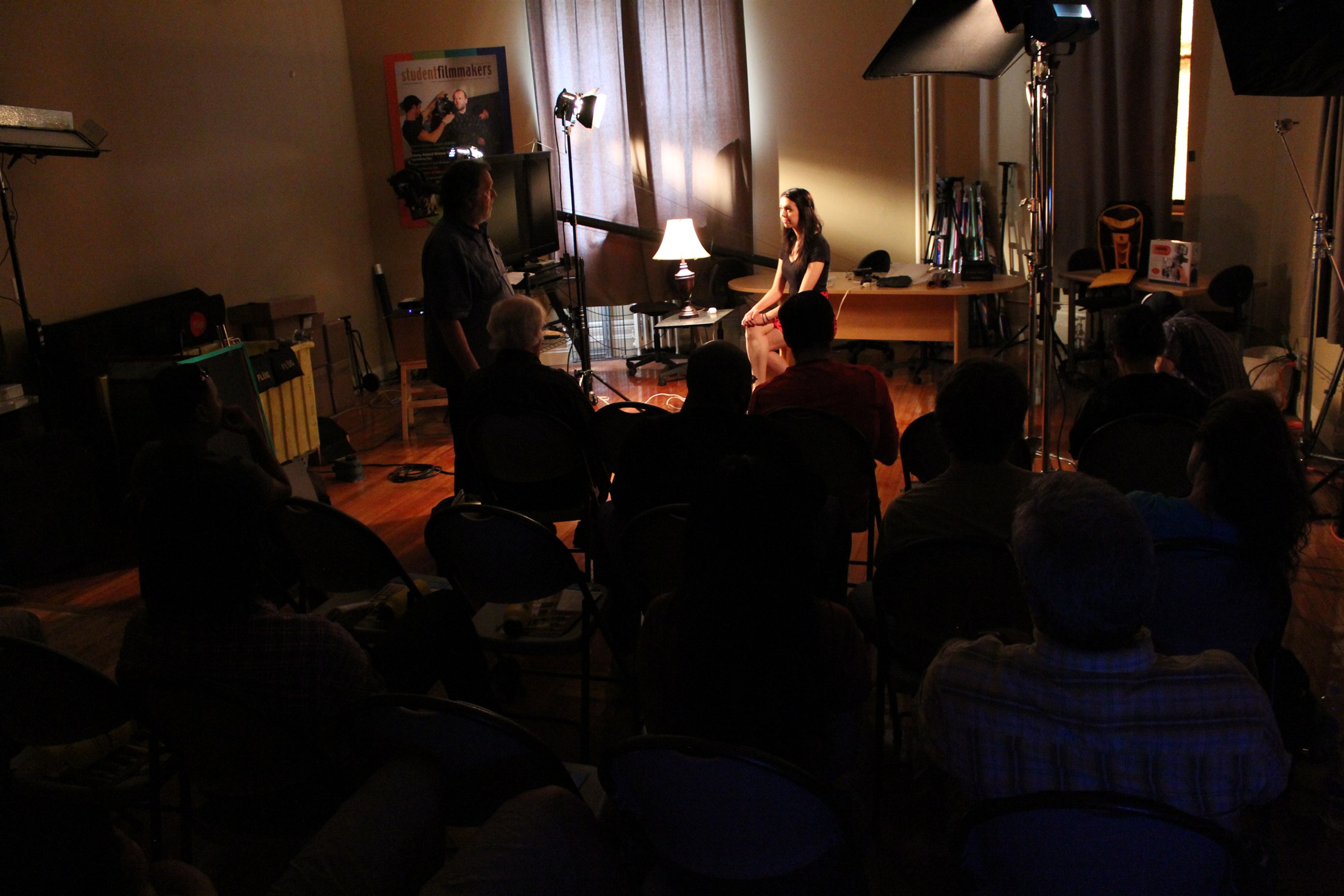
By 2008, our magazine was coming out every month, and cinematographers were on the cover again and again. At the same time, the workshops settled into a studio at 1133 Broadway in Manhattan. This is the period when the honor roll grew fastest.
Matthew LibatiqueASC
“When I was at Cal State Fullerton, 'Do The Right Thing' came out, and I would have to say that movie inspired me to become a cinematographer.”
Matthew Libatique, ASC
The January 2008 issue opened the year with a Q&A with Matthew Libatique, ASC, about going from independent films to blockbusters. He told us that, coming from New York and the suburbs of Los Angeles, he did not really know how a person goes about becoming a filmmaker, so he studied great collaborations, starting with Spike Lee and Ernest Dickerson and then Bernardo Bertolucci and Vittorio Storaro.
Libatique was born in 1968 in Elmhurst, Queens. His father, an amateur photographer who worked at a film lab in New York, gave him a Nikon when he was a kid. He studied sociology and communications at Cal State Fullerton and has said he did not realize he wanted to be a cinematographer until he had nearly finished. From there he went to the American Film Institute to study cinematography, where he met Darren Aronofsky. Together they made Pi, Requiem for a Dream and Black Swan, and Libatique went on to shoot A Star Is Born.
Anastas MichosASC, GSC
“The relationships we make when we're young are often the relationships we keep throughout our careers.”
Anastas Michos, ASC, GSC
In February 2008, Anastas Michos, ASC, told the magazine how he got from rock-and-roll to Hollywood features. He started out in theater, played in a band and worked as a roadie, then began his apprenticeship as a television cameraman and editor at WCAU-TV in Philadelphia. He worked as an assistant to Steadicam inventor Garrett Brown and learned to operate it himself.
His first job as a director of photography came in 1986 on Nervous Night, a documentary about the band The Hooters. On features he moved up from Steadicam to B camera to A camera, operating for Haskell Wexler, Sven Nykvist, John Seale and Philippe Rousselot. His first feature as cinematographer was The Education of Little Tree in 1997, and he later shot Man on the Moon for Miloš Forman. In 2026 we covered his cinematography masterclass in Athens.
John SealeASC, ACS

“I like that because it's making the movie first and the cinematography comes second.”
John Seale, ASC, ACS
John Seale, ASC, ACS, was one of the major interviews of 2008, and the April issue gave him plenty of room. His career is proof that you can start almost anywhere.
Seale spent two years working as a jackaroo in the Australian outback before going to the ABC, the national broadcaster, in the early 1960s. It took him more than a year to get hired, and when he did, it was in the stationery department. He pushed his way into the camera department as the driver of the camera truck, which also meant running sound for news crews. He became an assistant, learned from his mentor Bill Grimmond, and was given his first chance as a camera operator in 1965. He operated on Peter Weir’s Picnic at Hanging Rock, earned his first credit as cinematographer in 1976, and went on to win the Academy Award for The English Patient. He came out of retirement to shoot Mad Max: Fury Road.
Daryn OkadaASC
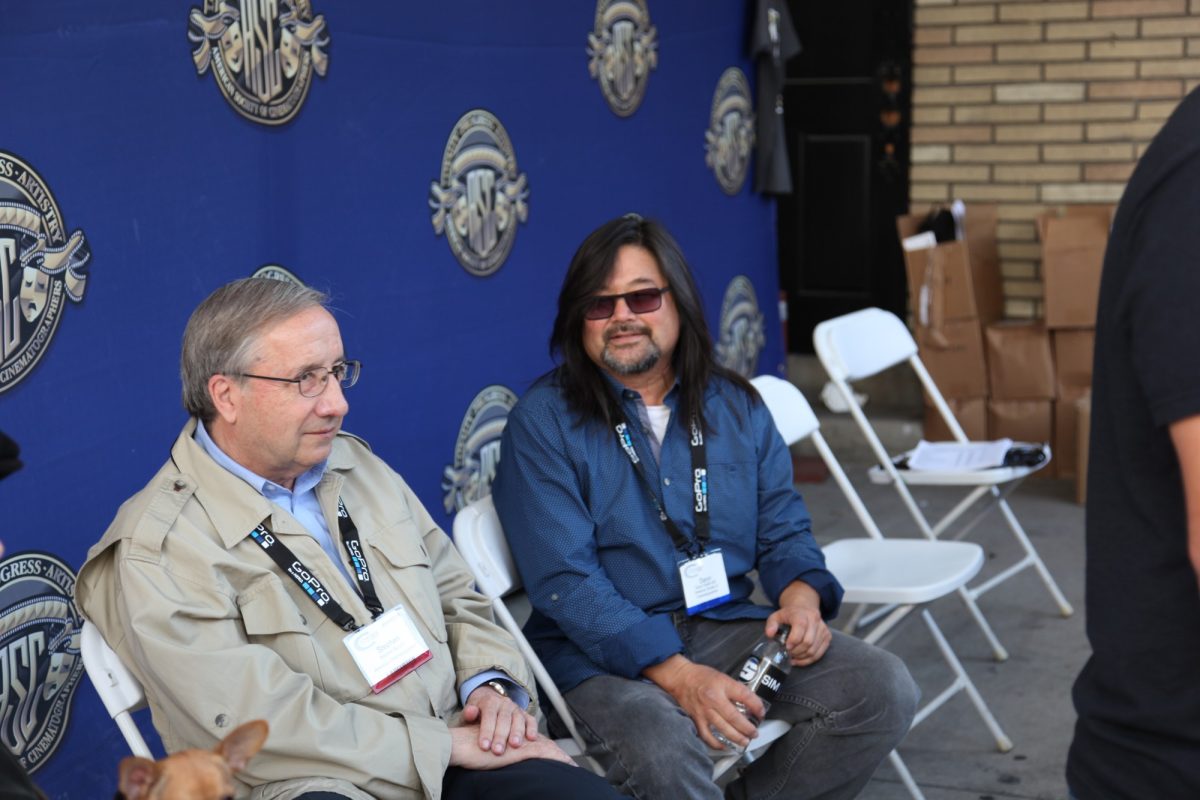
“We always had hope that one day our work would be of ASC quality.”
Daryn Okada, ASC, in our magazine, July 2008
Daryn Okada, ASC, was on the July 2008 cover, talking about the future of digital acquisition at a time when film was still the default.
He told us he started with Super 8 cameras when he was about nine years old, without knowing it would become a career. He began by cutting the family home movies together and planning shots to make them more fun to watch. Later he found a job as a projectionist at a city college in East Los Angeles. His feature credits include Mean Girls.
Ron DexterASC
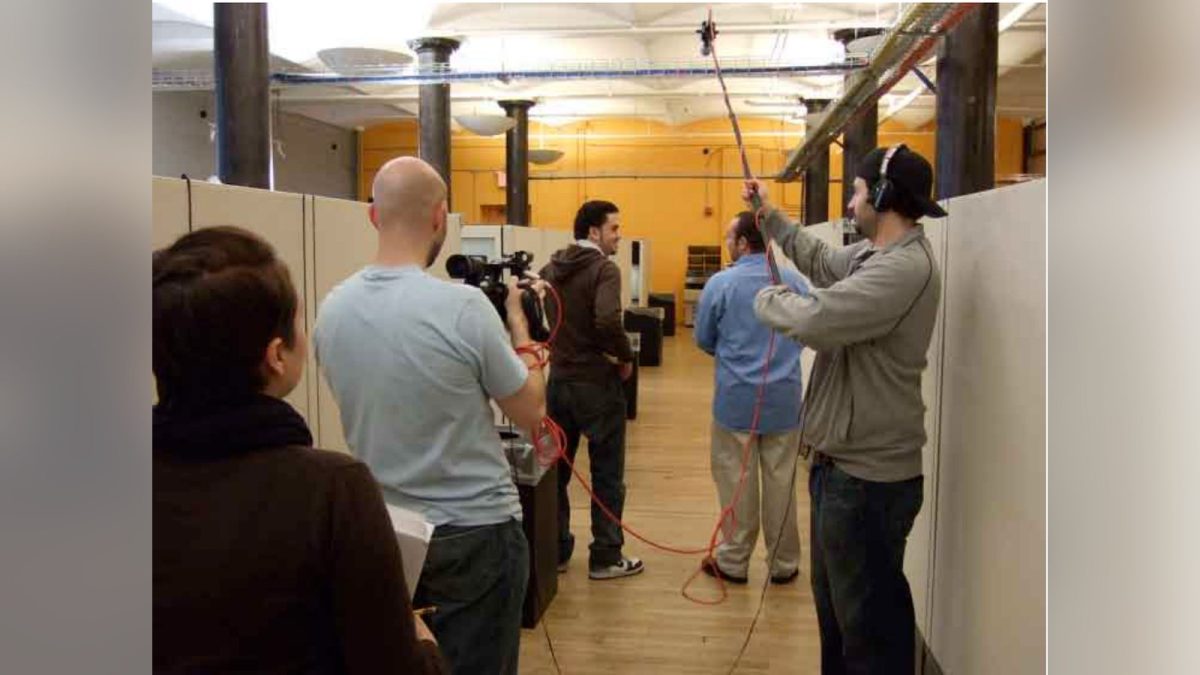
“A lot of it was just scenic farms - we shot dawn and dusk all the time.”
Ron Dexter, ASC, on building his first dolly
The August 2008 issue featured an exclusive interview with Ron Dexter, ASC, on camera work and capturing happy accidents. Dexter is a builder as much as a shooter. He told us he made his first dolly for a U.S. Information Agency film called Harvest, which he and Carroll Ballard shot as one-man crews, copying a design he had learned while working in special effects in Hollywood.
He spent much of his career in commercials, inventing rigs and techniques as he went, and he has spent years sharing what he learned. In 2021 he talked with us again about camera movement and camera effects.
Roger DeakinsASC, BSC

“I don't do this just for a job; it's much too hard.”
Roger Deakins, ASC, BSC
Roger Deakins, ASC, BSC, appeared in the October 2008 issue in a conversation about his work. Few cinematographers have been studied by students as closely as he has.
Deakins grew up in Torquay, in Devon, and spent most of his time painting. He enrolled at the Bath Academy of Art intending to be a painter, was placed in graphic design, and found photography there instead. When he applied to the brand-new National Film School, he was turned down because his photographs were not considered “filmic” enough. He spent the next year photographing rural life in North Devon and was admitted in 1972. After film school he shot documentaries, many of them in Africa, before moving into features. His work includes No Country for Old Men, Blade Runner 2049 and 1917.
Steven PosterASC
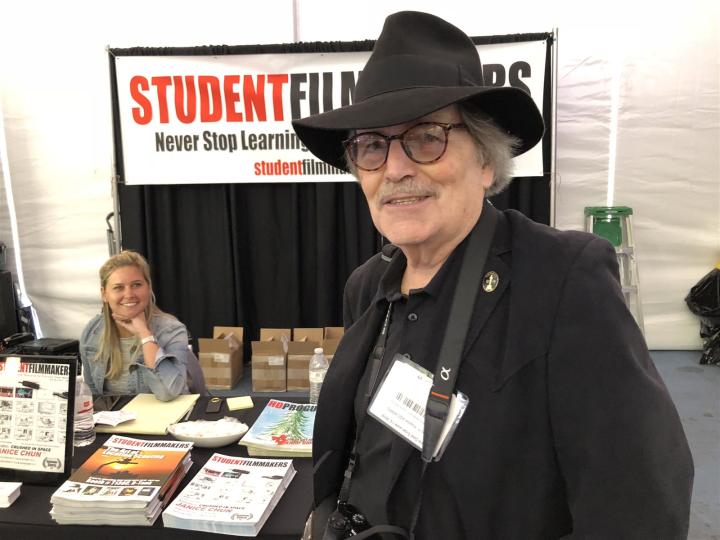
“It gives an additional student a chance to train their eye, a chance to be involved in the creative filmmaking process.”
Steven Poster, ASC, on camera operators, our magazine, October 2008
In October 2008, Steven Poster, ASC, then president of the International Cinematographers Guild, wrote to StudentFilmmakers to set the record straight. An earlier article on choosing a film crew had left out camera operators, and Poster explained why the operator is essential to the collaboration between director and cinematographer, and why the best film programs require students to crew with operators.
It was the beginning of a long relationship. Today students can watch Behind the Scenes with Steven Poster, ASC, as an on-demand course.
John BaileyASC
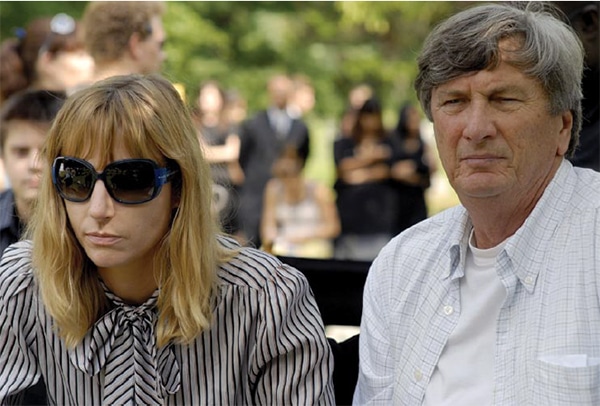
“The aspect ratio is the ratio between the height of the film, in other words, the vertical dimension and the horizontal dimension.”
John Bailey, ASC, explaining the basics, 2010
John Bailey, ASC, first came into the magazine through a director. In February 2009, Ken Kwapis talked to us about the shorthand he had built with Bailey over four films together, rooted in a shared love of film history. In early 2010, Volume 5, Number 1 featured Bailey at length, with behind-the-scenes photos from Brief Interviews with Hideous Men taken by Robert Primes, ASC.
Bailey’s credits include Ordinary People, Groundhog Day and In the Line of Fire, and he served as president of the Academy of Motion Picture Arts and Sciences. He died in 2023, and StudentFilmmakers published a tribute in his memory.
Peter SteinASC
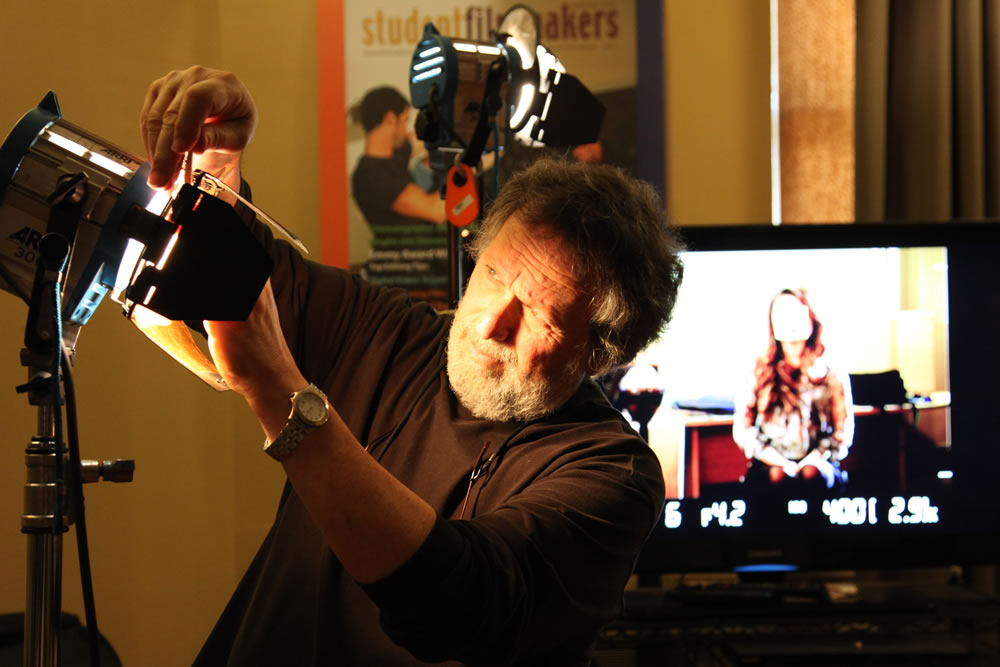
“There weren't a whole lot of film schools back in those days, and I worked my way up.”
Peter Stein, ASC
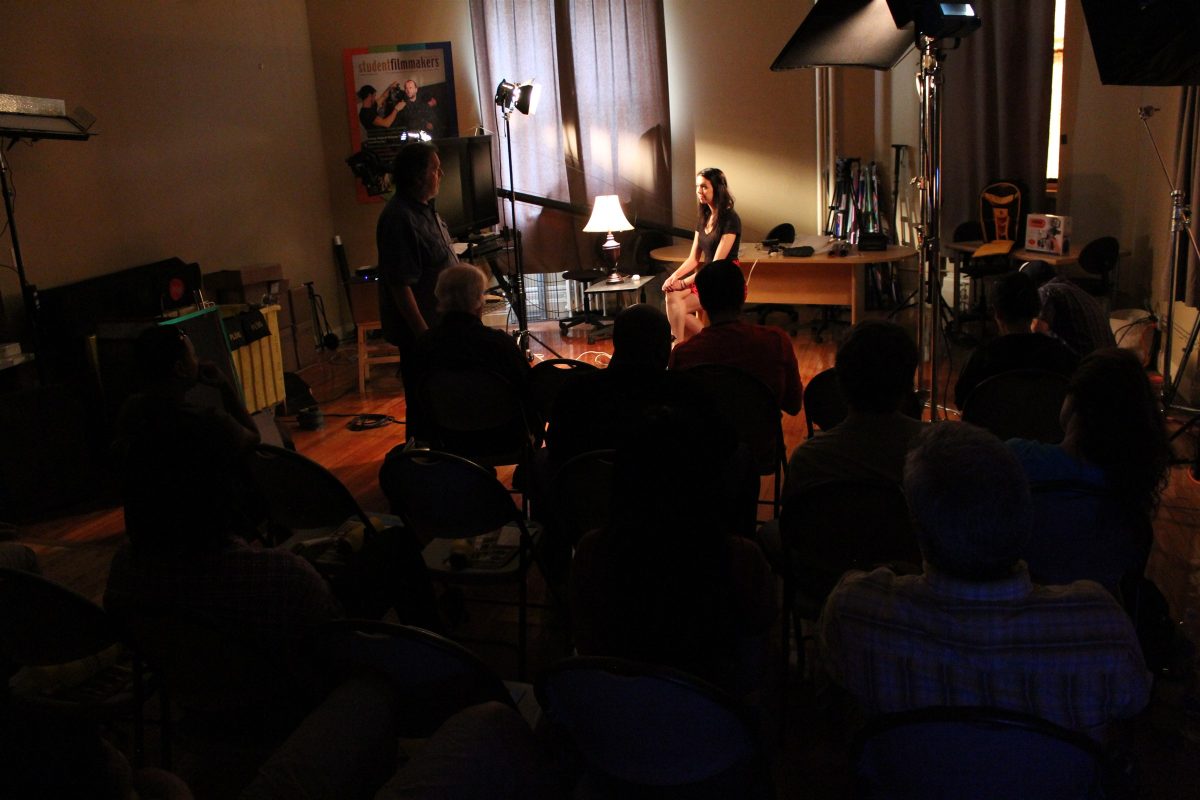
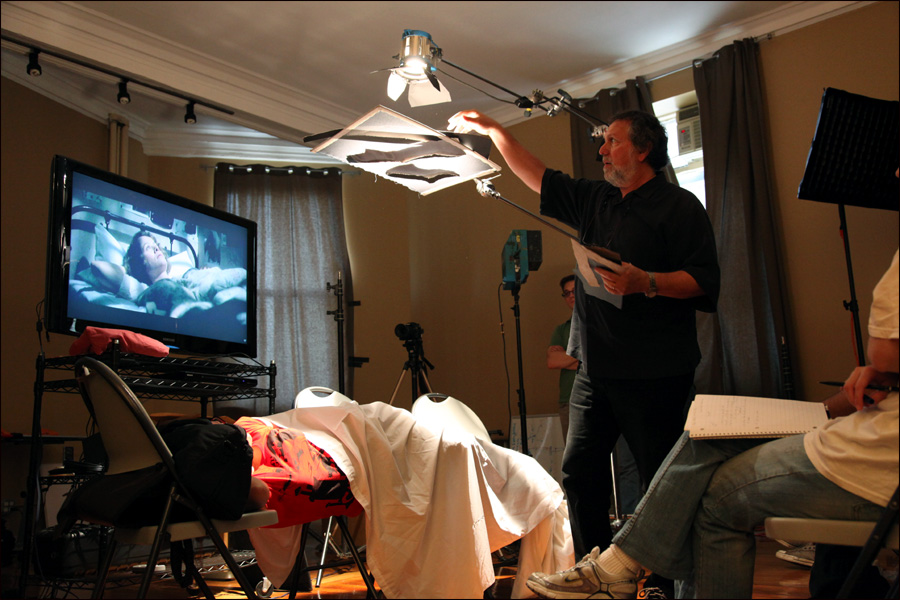
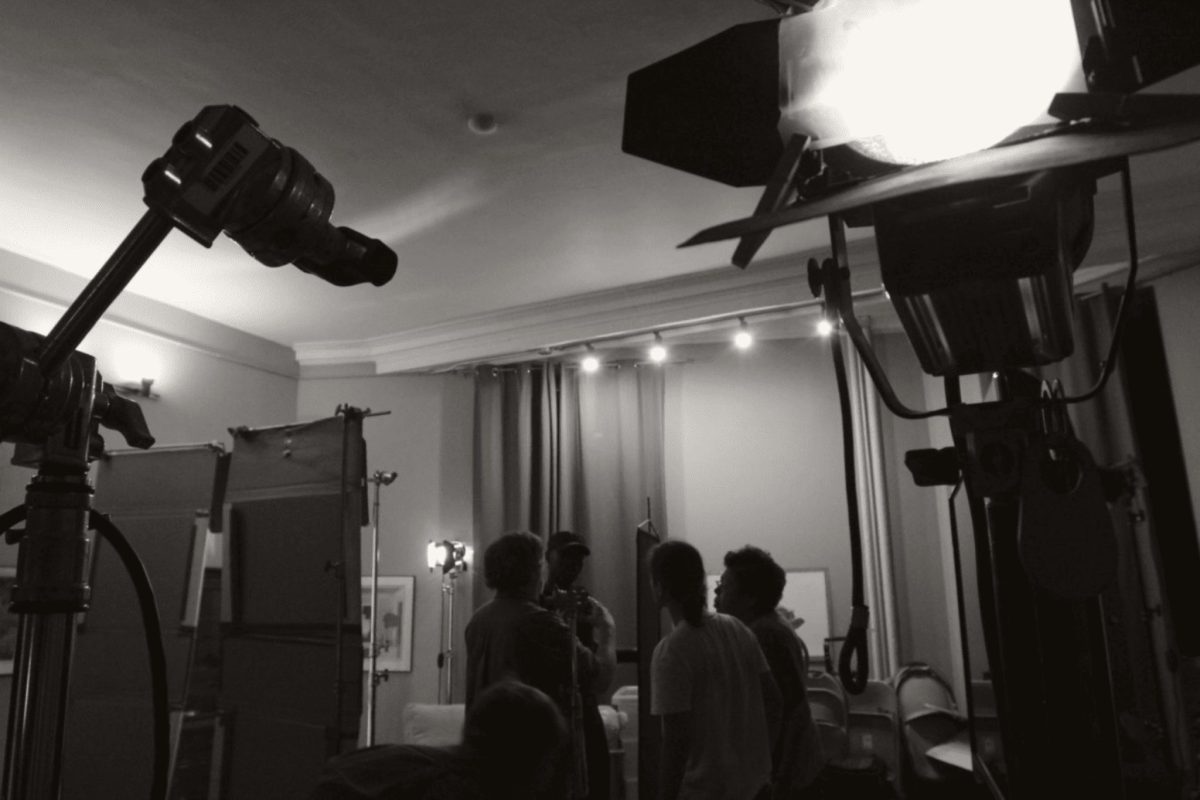
If one cinematographer defines the StudentFilmmakers workshop years, it is Peter Stein, ASC. On July 18, 2009, he taught Lighting to Create a Mood at our New York studio. Over the next few years he led a long series of Saturday workshops at 1123 Broadway: screen direction, coverage and shot listing; documentary and hand-held shooting; composition and camera and actor choreography; and analyzing and replicating lighting from great films and paintings. He also wrote for the magazine for years.
Stein grew up with still photography. His father was the photographer Fred Stein, and Peter took pictures all through high school. He got into film by starting as a messenger at a documentary film company, then talked his way into becoming an apprentice editor and an assistant editor. His credits include Pet Sematary and Friday the 13th Part 2, and he has taught in the graduate film program at NYU’s Tisch School of the Arts.
Ron FortunatoASC
The same Saturday Peter Stein taught lighting, July 18, 2009, the morning belonged to Ron Fortunato, ASC. Conversations and Q&A with Ron Fortunato, ASC, was a two-hour session at the StudentFilmmakers studio, followed by coffee and networking, where students could ask a working New York cinematographer anything they wanted. He was one of the instructors we thanked at the end of the 2009 workshop season.
Christopher BaffaASC
“On a scale of 1 to 10, I'd rate it a solid 10 without a doubt.”
A webinar attendee, on Christopher Baffa, ASC
On November 14, 2009, Christopher Baffa, ASC, taught The Power of the Image, a master cinematography workshop in New York. It was the first of many sessions. Years later he became one of our most popular webinar teachers.
Baffa was born in Los Angeles in 1965 and went to USC’s School of Cinema-Television, graduating in 1990. He went in wanting to be a director. A professor noticed that his student films looked professional even when the stories were hard to follow and suggested he think about becoming a cinematographer. He earned his first feature credit in 1994, Variety named him one of its ten cinematographers to watch in 1999, and he became the chief cinematographer of Nip/Tuck. In 2023 he taught live lighting and composition webinars for us, and his horror cinematography class is now an on-demand course.
Oliver CurtisBSC
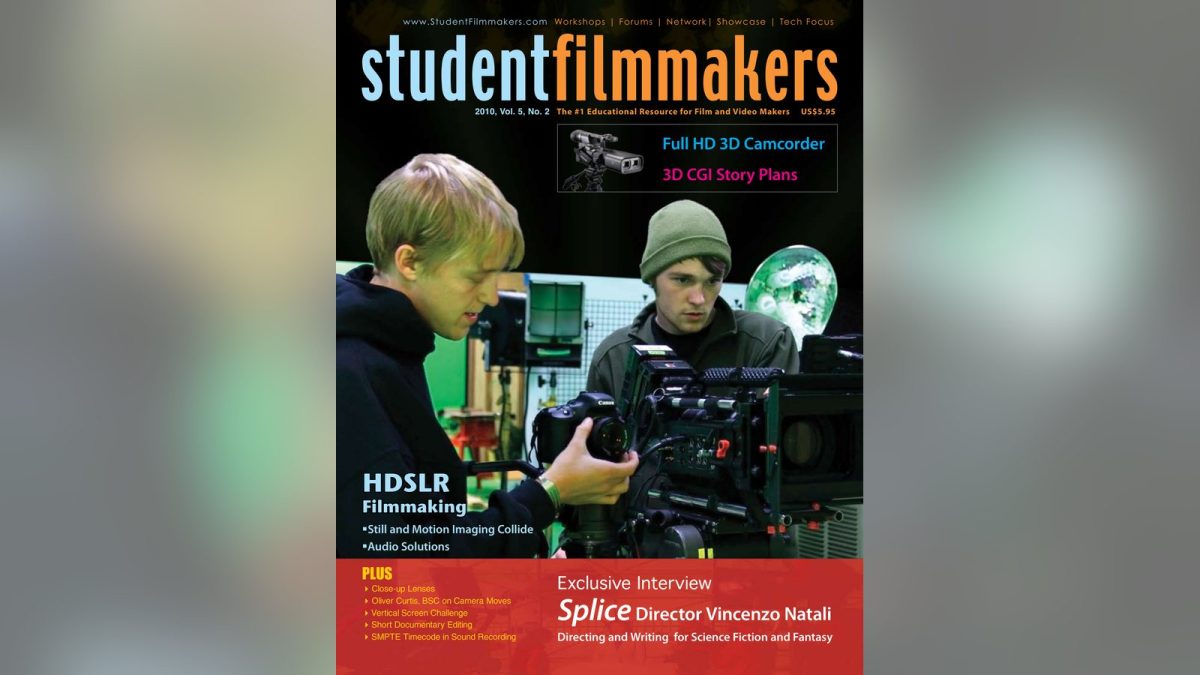
“I’ve always been taking photographs.”
Oliver Curtis, BSC
Oliver Curtis, BSC is a British cinematographer whose eclectic filmography includes Death at a Funeral, Owning Mahowny and The Wisdom of Crocodiles, along with documentaries and comedies such as Virgin on Bourbon St., directed by Clare Kilner.
His path into cinematography began with still photography. He had a Box Brownie at five, moved on to an Instamatic and a Zenit-E, studied photography at A level and majored in it on an arts foundation course. That is where he learned film stocks and exposure, the foundation of everything he later did as a director of photography. In his StudentFilmmakers interview he shared practical advice on camera moves, lighting and finding the right first shot for each film.
Michael CoulterBSC
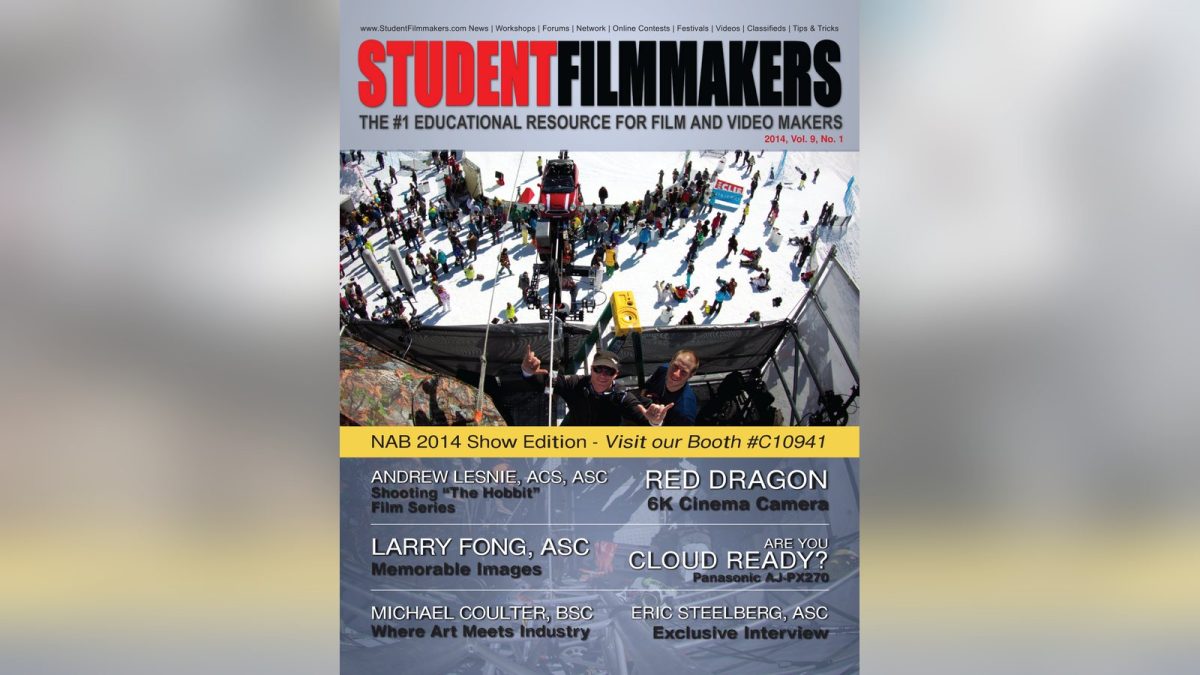
“I find my creative freedom comes from finding a way to deal with any kind of situation that arises.”
Michael Coulter, BSC
Michael Coulter, BSC is the British cinematographer of Notting Hill and Love Actually, two of the best-loved romantic comedies of their era, both written by Richard Curtis, who also directed Love Actually.
In his StudentFilmmakers interview, “Where Art Meets Industry,” he described the cinematographer’s side of a collaboration: some directors arrive with storyboards and know exactly when the camera should pan, while others work organically and discover the film on the day. On one project he even played back a piece of music on set to guide the camera moves. His advice to new directors of photography is about the artistry of filmmaking as much as the craft: serve the director, and find your own creative freedom in whatever each day brings.
Rick Siegel
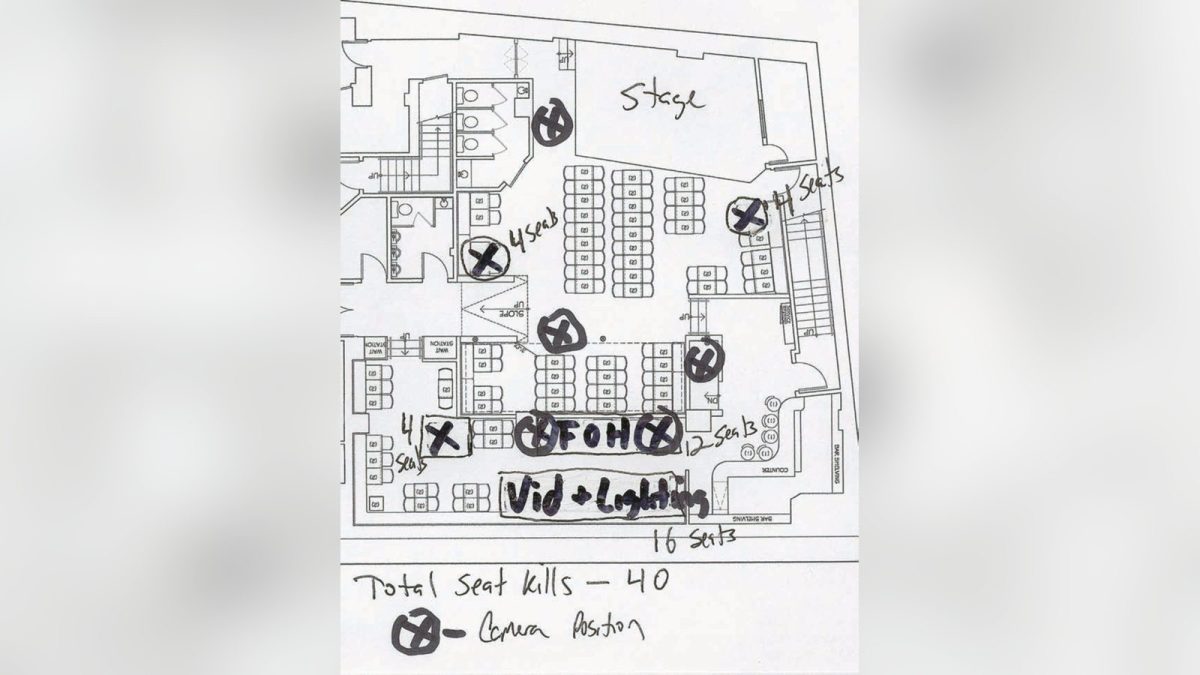
Rick Siegel is the director of photography that many of the world’s best-known interviewers and musicians call first. His “faces” reel runs from Jennifer Lopez to Barack Obama, and he has taped live concerts for artists such as Billy Joel, Elton John, Sheryl Crow and Eric Clapton.
For our magazine, Rick talked with writer Dean Goldberg about lighting and shooting the concert film Jeff Beck Live at the Iridium inside a small New York club, where every light and every camera position has to work with the audience and the band. It is a masterclass in concert cinematography: how a cinematographer designs a look for a live performance that happens only once.
Bob Scott

Bob Scott is a cinematographer known for sports and action features, with credits including Friday Night Lights, Gridiron Gang and Talladega Nights. On Fireproof, for filmmakers Alex and Stephen Kendrick, he faced something new: a rescue sequence inside a house engulfed in flames.
Our magazine followed how he approached it. He read the script “very technically” first, to understand exactly what the cinematography would demand, and then planned how to shoot real fire safely and convincingly. His honesty about being nervous before a first-time challenge is one of the most useful lessons a young director of photography can read.
Keep reading about cinematography: 4 master lighting tips for next-generation cinematographers, 3 need-to-know lighting tips for student cinematographers, zoom lenses vs. prime lenses, composition for cinematographers and why cinematographers still use a light meter.